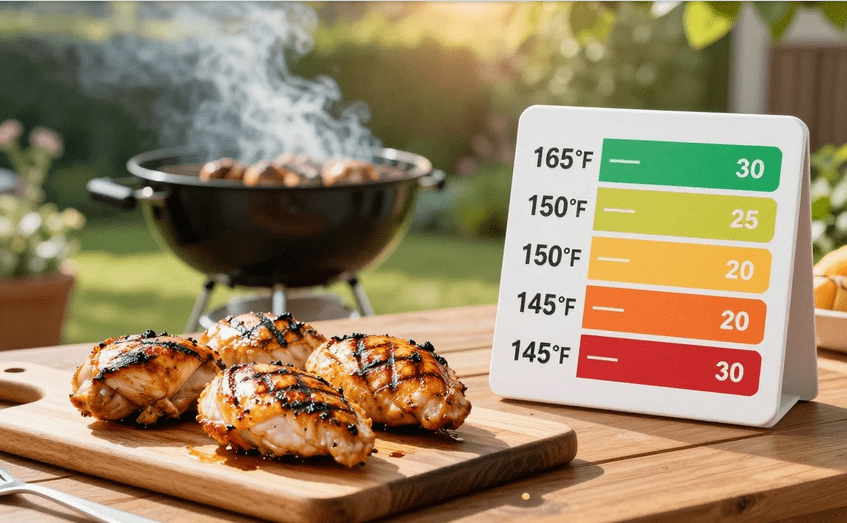
Chicken on the Grill: Juicy Every Time, Never Dry
Grilling chicken is a summer staple, but achieving a perfectly juicy result can be challenging.

We all want to master the art of grilling chicken that's full of flavor and moisture. In this article, we'll explore the techniques and tips that make a difference. We'll cover how to prepare the perfect grilled chicken recipe and share bbq chicken grilling tips for success.
Whether you're a seasoned grill master or just starting out, our guide will help you achieve that ideal juicy grilled chicken every time.
Key Takeaways
- Understanding the basics of grilling chicken
- Preparation techniques for juicy results
- Tips for achieving the perfect grill marks
- How to keep chicken moist during grilling
- Common mistakes to avoid when grilling chicken
The Science Behind Juicy Grilled Chicken
Getting perfectly grilled, juicy chicken is more than just throwing it on the grill. It's about understanding the science behind it. This includes the chicken's protein structure, moisture, and fat.
Why Chicken Tends to Dry Out on the Grill
Chicken often dries out because of overcooking or improper grilling techniques. High heat for too long causes proteins to contract, resulting in moisture loss. Chicken breast, being lean, has less fat to keep it moist.
Understanding Protein Structure and Moisture Retention
The protein structure in chicken is key to keeping it moist. Chicken contains proteins such as myosin and actin that contract when heated. If the heat is too intense or lasts too long, these proteins contract excessively, resulting in dry chicken. Techniques like brining or marinating can help by temporarily changing the protein structure.
The Role of Fat in Juicy Chicken
Fat acts as an insulator, keeping the chicken juicy. Cuts with more fat, like thighs, stay juicier than leaner cuts like breast. But it's not just about fat; how it's managed during grilling matters too. This includes basting or using fatty marinades.
By understanding these factors, we can use grilling techniques to achieve perfectly juicy grilled chicken. Techniques like two-zone grilling and proper temperature control are essential. In the next sections, we'll dive deeper into these techniques to help you master grilling chicken.
Essential Equipment for Perfect Grilled Chicken
To get perfect grilled chicken, you need more than a good recipe. The right equipment is key. The grill type, tools, and temperature control all matter for grilled chicken.
Grill Types and Their Impact on Chicken
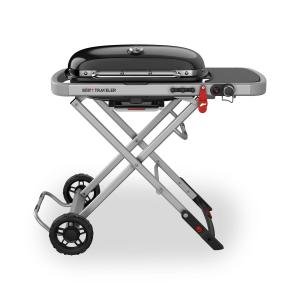
The grill you choose can change how your chicken tastes and stays juicy. Charcoal grills give a smoky flavor. Gas grills offer steady heat. Electric grills are easy to clean and convenient.
Must-Have Tools for Chicken Grilling Success
You'll need some basic tools to grill chicken well. Tongs or a spatula are needed for flipping. A grill brush keeps the grates clean, preventing chicken from sticking.
Temperature Monitoring Devices
Keeping an eye on temperature is crucial for grilling chicken. A meat thermometer checks if the chicken is cooked safely. A grill thermometer helps keep the heat steady.
With the right grill, tools, and temperature control, you'll make juicy, bbq chicken every time.
Preparing Your Chicken for the Grill
Before we fire up the grill, let's focus on preparing the star of the show: the chicken. Proper preparation is key to achieving juicy, flavorful grilled chicken.
Choosing the Right Cuts for Grilling
Selecting the right chicken cuts is crucial for grilling success. We recommend using bone-in, skin-on chicken pieces like thighs and drumsticks for their rich flavor and juiciness. For a leaner option, boneless, skinless chicken breasts are also a great choice.
Trimming and Preparing Different Chicken Parts
Trimming excess fat and properly preparing chicken parts can significantly affect the grilling outcome. Remove any excess skin or fat to prevent flare-ups. For even cooking, try to make the chicken pieces as uniform as possible.
Brining: Your Secret Weapon for Moisture
Brining is a simple yet effective technique to enhance moisture and flavor. There are two primary methods:
Wet Brining Method
Wet brining involves soaking the chicken in a saltwater solution. Mix 1 cup of kosher salt with 1 gallon of water, and add your favorite flavors for grilled chicken like herbs and spices.
Dry Brining Technique
Dry brining, or pre-salting, involves rubbing the chicken with kosher salt and letting it sit in the refrigerator. This method helps retain moisture and enhances the natural flavors, making it a great alternative to wet brining.
By choosing the right cuts, trimming properly, and brining the chicken with grilled chicken seasoning, we can ensure our chicken is not only juicy but also packed with flavor. Experiment with different best chicken marinades to find your favorite.
Marinades and Rubs That Lock in Moisture
Marinades are a griller's best friend, offering a flavorful way to keep chicken moist on the grill. By understanding the components of effective marinades and rubs, we can significantly enhance the juiciness of our grilled chicken.
Oil-Based Marinades for Juicy Results
Oil-based marinades are effective at retaining moisture. The oil coats the chicken, preventing it from drying out during grilling. Using olive oil or other healthy oils not only adds flavor but also helps retain the chicken's natural juices.
Culinary experts say, "The key to a good marinade is balance – you want a mix of oil, acid, and spices that complement the chicken without overpowering it."
"A good marinade is like a good recipe; it's all about the harmony of flavors," says Chef John Smith, a renowned grilling expert.
Acid Components: Balancing Flavor and Tenderness
Acid components, such as lemon juice or vinegar, play a crucial role in tenderizing the chicken. They break down the proteins, making the chicken more tender and receptive to flavors. But, it's essential to balance the acidity to avoid making the chicken mushy.
Dry Rubs That Enhance Juiciness
Dry rubs are another effective way to enhance the juiciness of grilled chicken. By using a mix of spices, herbs, and sometimes sugar, dry rubs create a crust on the chicken that locks in moisture. Applying a dry rub before grilling not only adds flavor but also helps in retaining the chicken's juices.

Marinating Times: How Long Is Too Long?
The marinating time is critical. While marinating can enhance flavor and juiciness, over-marinating can have adverse effects. Most chicken benefits from marinating for 2 to 24 hours. It's also worth noting that the type of marinade and the chicken cut can affect the optimal marinating time.
| Marinating Time | Effect on Chicken |
|---|---|
| Less than 2 hours | Limited flavor penetration |
| 2 to 24 hours | Optimal flavor and juiciness |
| More than 24 hours | Risk of over-marinating, potential for mushy texture |
By mastering the art of marinades and rubs, we can achieve perfectly grilled, juicy chicken every time. Whether you're a seasoned griller or a beginner, understanding these techniques will elevate your grilling game.
Chicken on the Grill: Juicy Every Time, Never Dry Techniques
To make sure your grilled chicken is always juicy, use specific grilling techniques. These methods boost flavor and keep the chicken tender and moist.
Two-Zone Grilling Method
The two-zone grilling method is a game-changer for perfect chicken. It divides your grill into two areas: one for high heat and another for lower heat. This way, you can sear the chicken on the hot side and finish it on the cooler side. It stops the outside from burning before the inside is cooked.
Proper Chicken Placement and Flipping Techniques
How you place and flip your chicken on the grill affects its juiciness. Place the chicken away from direct flames to avoid charring. Flipping the chicken often ensures even cooking and keeps it from drying out.
Managing Flare-Ups Without Drying Your Chicken
Flare-ups can quickly dry out your chicken. To manage them, keep a spray bottle of water to put out any flames. Also, trimming excess fat from the chicken can reduce the risk of flare-ups.
The Crucial Rest Period
After grilling, let the chicken rest for a few minutes. This rest allows the juices to spread throughout the meat. It makes sure the chicken stays juicy and tender when you serve it.
| Technique | Benefit |
|---|---|
| Two-Zone Grilling | Prevents burning and ensures even cooking |
| Proper Flipping | Ensures even cooking and prevents dryness |
| Managing Flare-Ups | Prevents charring and drying out |
| Rest Period | Allows juices to redistribute for tender chicken |
By using these grilling techniques, you'll get tender and juicy grilled chicken every time. Whether you're experienced or new to grilling, these tips will improve your chicken game.
Temperature Mastery for Perfect Doneness
To grill chicken that's juicy and safe, controlling temperature is key. It's not just about a good recipe. You need to know how to manage temperature well.
Target Internal Temperatures for Different Cuts
Each chicken cut needs a specific internal temperature for perfect cooking. For instance:
- Boneless, skinless chicken breasts should be cooked to an internal temperature of 165°F (74°C).
- Thighs and drumsticks can be cooked to 175°F (79°C) for optimal tenderness.
- Whole chickens should reach 165°F (74°C) in the breast and 175°F (79°C) in the thighs.
Using a meat thermometer is the most accurate way to check these temperatures.

The Carryover Cooking Phenomenon
Carryover cooking is when meat continues to cook after it's off the heat. It's important for grilling chicken, as it can change the final temperature.
To account for carryover cooking, remove the chicken from the grill when it's 5-10°F (-15 to -12°C) below the target internal temperature. This ensures the chicken reaches the desired temperature during resting.
Using Meat Thermometers Correctly
A meat thermometer is essential for grilling chicken. Here's how to use it correctly:
- Insert the thermometer into the thickest part of the breast or thigh, avoiding any bones or fat.
- Wait for the temperature reading to stabilize.
- Check multiple areas to ensure even cooking.
Digital thermometers provide quick, accurate readings, making them ideal for grilling.
Food Safety Essentials
Food safety is crucial when handling and grilling chicken. Always:
- Wash your hands before and after handling raw chicken.
- Keep raw chicken separate from other foods to prevent cross-contamination.
- Cook chicken to the recommended internal temperatures to prevent foodborne illnesses.
By following these guidelines, you can enjoy perfectly grilled chicken that's both delicious and safe to eat.
Global Flavor Profiles for Juicy Grilled Chicken
Exploring global flavors can elevate your grilled chicken. Different cultures bring unique seasoning blends and marinades. These can make your grilled chicken truly stand out.
Mediterranean-Inspired Flavors
The Mediterranean is famous for bold flavors. It often includes olive oil, lemon juice, garlic, and oregano. To make Mediterranean-style grilled chicken, marinate it in olive oil, lemon juice, minced garlic, and dried oregano. It pairs well with grilled vegetables or a fresh salad.
Asian Marinades and Glazes
Asian cuisine offers a wide range of flavors. From sweet and sour to spicy and savory, there's a lot to explore. For Asian-style grilled chicken, use a marinade with soy sauce, honey, ginger, and garlic. Add a glaze of hoisin sauce and rice vinegar in the last few minutes for extra flavor.
American BBQ Regional Styles
American BBQ has many regional styles, each with its own flavor. Kansas City BBQ uses a thick tomato-based sauce, while Memphis BBQ is known for dry rubs. Trying different BBQ styles can add variety to your grilled chicken.
Compound Butters for Last-Minute Juiciness
Compound butters can add flavor and moisture to your grilled chicken. Mix softened butter with chopped herbs, garlic, or citrus zest. Spread it on your chicken in the last minute of grilling. This can make your chicken juicier and more flavorful.
By using these global flavor profiles, you can make a variety of delicious grilled chicken dishes. Whether you prefer Mediterranean, Asian, or American BBQ flavors, there's something for everyone.
Conclusion: Grilled Chicken Success Every Time
Getting perfect grilled chicken is easier than you think. It's all about understanding the science and using the right tools. Choosing the right cuts and using marinades are key to avoiding dry chicken.
Learning techniques such as two-zone grilling and temperature control is essential. With practice, you'll impress everyone with your grilled chicken skills. This article has given you the tools to succeed.
The secret to great grilled chicken is a mix of technique, preparation, and the right equipment. With these, you'll always get that perfect grilled chicken.
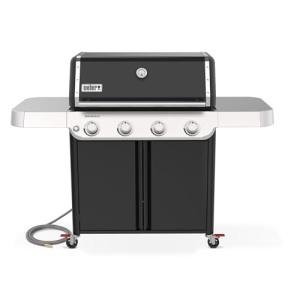
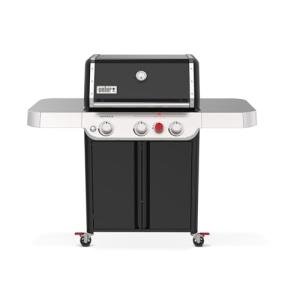
Weber Genesis E-415 4-Burner Black Gas Grill
Get ready to elevate your grilling game with powerful performance and plenty of cooking space
Product information
$1,349.00
Product Review Score
4.26 out of 5 stars
30 reviewsProduct links
FAQ
Q: What is the best way to keep chicken moist on the grill?
A: To keep chicken moist, try brining, marinating, and grilling at the right temperature. Brining helps keep moisture in. Marinating adds flavor and tenderness. Grilling at medium-high heat and using a two-zone method also helps.
Q: How long should I marinate chicken before grilling?
A: The marinating time varies based on the marinade and chicken cut. Aim for at least 30 minutes to several hours or overnight. Acidic marinades tenderize quickly, while oil-based ones flavor over time.
Q: What is the ideal internal temperature for grilled chicken?
A: The ideal temperature for grilled chicken depends on the cut. For boneless, skinless breasts, it's 165°F (74°C). Thighs and drumsticks need 180°F (82°C). Always use a meat thermometer for safe cooking.
Q: How can I prevent flare-ups when grilling chicken?
A: To avoid flare-ups, trim excess fat and use a two-zone grilling method. Keep a water spray bottle ready. If flare-ups happen, move the chicken to a cooler part of the grill or lower the heat.
Q: Can I use compound butters to add juiciness to grilled chicken?
A: Yes, compound butters can make grilled chicken juicy and flavorful. Mix softened butter with herbs, spices, and other ingredients for a delicious finish.
Q: What are some global flavor profiles that work well for grilled chicken?
A: Grilled chicken can be flavored with many global styles, like Mediterranean, Asian, and American BBQ. Try unique flavors like lemon and oregano, soy sauce and ginger, or smoky BBQ.
Q: How can I achieve perfectly grilled chicken every time?
A: To get perfectly grilled chicken, use the right techniques, equipment, and preparation. Choose the right cuts, brine or marinate, grill at the right temperature, and use a meat thermometer for perfect doneness.
DISCLAIMER
This document is provided for general information purposes only and should not be relied upon as providing legal advice, technical, or specific operational guidance to the reader, whether as to the practices described in the document or the applicable legal requirements and regulations. outdoorgrillguide.com expressly disclaims any responsibility for liability arising from or related to the use or misuse of any information in this document.