Global Grilling Flavors: Korean, Mexican, Mediterranean
Barbecue has a rich history. It started with ancient methods. People used wet leaves to cook meat over a low fire. This slow process created tender, smoky dishes.
Today, this tradition has evolved. It now blends with exciting tastes from around the world. Chefs and home cooks are mixing traditional BBQ with bold new seasonings. This creates a unique fusion of food that is both familiar and exotic.

We are taking you on a culinary journey. We will explore how different countries have shaped barbecue. Our focus is on three distinct styles known for their powerful tastes and unique cooking techniques.
This guide will show you the key ingredients and methods. You will learn how to build layers of flavor. We want to help you create unforgettable meals that celebrate both heritage and innovation in your own kitchen.
Key Takeaways
- Barbecue has ancient origins but continues to evolve with modern influences.
- Combining traditional slow-cooking with international seasonings creates unique dishes.
- Different culinary traditions share a common goal of tenderizing proteins and building flavor.
- Essential marinades and cooking techniques define each distinct style.
- This guide provides practical recipes and tips to recreate these tastes at home.
- Exploring these methods can enhance family gatherings and expand your cooking skills.
Introduction to Our Global Grilling Adventure
We're embarking on a flavorful exploration that connects time-honored barbecue practices with diverse cultural traditions. This culinary revolution brings traditional techniques together with international profiles. The result creates extraordinary dishes that transport diners worldwide.
Chef Kurt Kwiatkowski perfectly captures this movement:
"Barbecue has been so hot, using time and technique to develop something special."
What makes these international styles so accessible? While proper barbecue requires adequate time to develop tenderness, the actual labor remains minimal. This simplicity allows both home cooks and professionals to master these methods.
Throughout our journey, we'll discover how different cultures approach the fundamental concept of cooking meat over fire. Each brings unique ingredients that transform simple proteins into memorable experiences.
Understanding the cultural context behind these methods enhances our appreciation. It also helps us recreate authentic flavor profiles in our own kitchens. This knowledge transforms everyday meals into culinary adventures.
Discovering the History and Cultural Roots of Global BBQ
Marination represents one of humanity's oldest and most universal culinary innovations. Ancient cultures discovered that soaking food before cooking created remarkable tenderness and flavor enhancement.
https://www.youtube.com/watch?v=9yxAgS428BY
Our research reveals that numerous countries across continents independently developed marination techniques. Each region used local ingredients to create distinctive profiles that reflected their culinary traditions.
The Evolution from Ancient Techniques to Modern Marinades
Early methods involved wrapping meat in wet leaves before slow roasting. This primitive approach evolved into sophisticated marinades combining spices, acids, and oils.
The fundamental principles remain consistent across cultures. Acids break down tough fibers while oils carry fat-soluble flavors. Spices create the distinctive taste profiles defining each cuisine.
How Global Flavors Inspire Today's Menus
Modern menu development draws heavily from these traditional techniques. Chefs combine ancient wisdom with contemporary ingredients to create innovative dishes.
The time invested—often several hours or overnight—transforms ordinary proteins into extraordinary creations. This patience allows flavors to penetrate deeply, creating complexity impossible through cooking alone.
Understanding these traditions enriches our dining experience. It connects us to the history behind the recipes we enjoy today.
Exploring Global Grilling Flavors: Korean, Mexican, Mediterranean
Contemporary barbecue enthusiasts are discovering how three international cooking styles can elevate their grilling experience. These approaches are gaining popularity as people seek distinctive menu options.
Each tradition brings unique character to the table. The first style features fermented pastes that create deep umami notes. These marinades transform chicken and other proteins with sweet, spicy, and savory elements.
The second approach balances bright citrus with distinctive heat levels. Bold spices combine with fresh juices to penetrate meat thoroughly. This creates dishes with remarkable complexity.
The third tradition celebrates simplicity through quality ingredients. Fresh herbs and olive oil enhance rather than mask natural tastes. This method works beautifully with fish and various proteins.
Despite their differences, these cuisines share important principles. Proper marination time and careful temperature control are essential. Each style enhances natural protein flavors through thoughtful seasoning.
Understanding these shared fundamentals helps home cooks master diverse techniques. This knowledge opens up exciting culinary possibilities for everyday meals.
Korean BBQ: Gochujang, Marinades, and Beyond
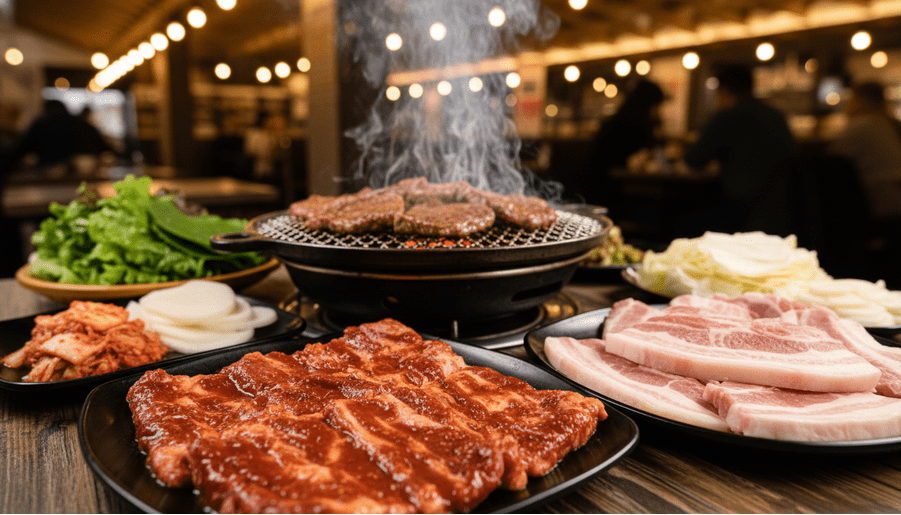
At the heart of Korean barbecue lies a sophisticated system of flavor building that combines fermented pastes with aromatic ingredients. This approach creates dishes with remarkable depth and complexity.
Signature Flavors and Essential Ingredients
We find the foundation of this cuisine in a few key components. Fermented red chili paste delivers complex heat with subtle sweetness. It forms the base of many marinades and sauces.
Other essential elements contribute to the distinctive taste profile. Soy sauce provides essential saltiness while aromatic garlic and ginger add depth. Sesame oil brings nutty richness to the mix.
| Ingredient | Primary Purpose | Key Characteristics |
|---|---|---|
| Gochujang | Base flavor foundation | Fermented chili paste with umami depth |
| Soy Sauce | Salty seasoning | Provides essential savory notes |
| Garlic & Ginger | Aromatic enhancement | Adds sharp, fresh complexity |
| Sesame Oil | Richness carrier | Nutty flavor that binds ingredients |
| Rice Wine | Tenderizing agent | Helps break down proteins gently |

Our Favorite Korean Glazed Chicken Recipe
Our Sake Brined Gochujang Glazed Chicken demonstrates fusion cooking at its best. Chicken halves soak in a sake-infused brine for several hours before slow smoking.
During cooking, we repeatedly baste the poultry with a special gochujang sauce. This creates a caramelized coating that locks in moisture and flavor.
"The Korean barbecue sauce glaze combined with the flavor of smoked or grilled chicken adds depth of flavor."
Chef Kurt Kwiatkowski
For other meats, we recommend the classic Bulgogi marinade. It combines pear puree with soy, garlic, ginger, and sesame oil for perfect balance.
Mexican BBQ: Bold Spices and Citrus Marinades
The vibrant character of Mexican barbecue comes from a dynamic interplay between fire and flavor. This tradition masterfully balances intense heat with refreshing acidity.
We find that the essential ingredients create this signature profile. Chipotle peppers in adobo sauce provide smoky depth. Fresh lime and orange juice add bright tang.
Infusing Heat and Tang into Every Bite
Our exploration reveals how these components work together. The acidic citrus juices gently break down protein fibers in meat. This natural tenderizing process requires several hours for best results.
Spices like cumin, coriander, and oregano penetrate deeply during marination. This way of building flavor creates complex layers in every bite. The spice blend is key to authentic taste.
We particularly admire the Mexican Citrus Marinade. It combines orange juice, lime juice, and chipotle peppers. The fruit's sugars caramelize beautifully on the grill.
For richer food like beef or pork, the Adobo Chili Marinade shines. It uses a concentrated chili paste for a smoky, spicy profile. This mixture is perfect for skewers and wings.
Even seafood benefits from this approach. Our Smoked Fish Taquitos feature ancho chile seasoning and oregano. They demonstrate the versatility of these techniques.
Mediterranean BBQ: Olive Oil, Herbs, and Timeless Techniques
Quality over quantity guides the Mediterranean philosophy of barbecue preparation. This approach celebrates the natural taste of proteins through thoughtful enhancement rather than overwhelming transformation.
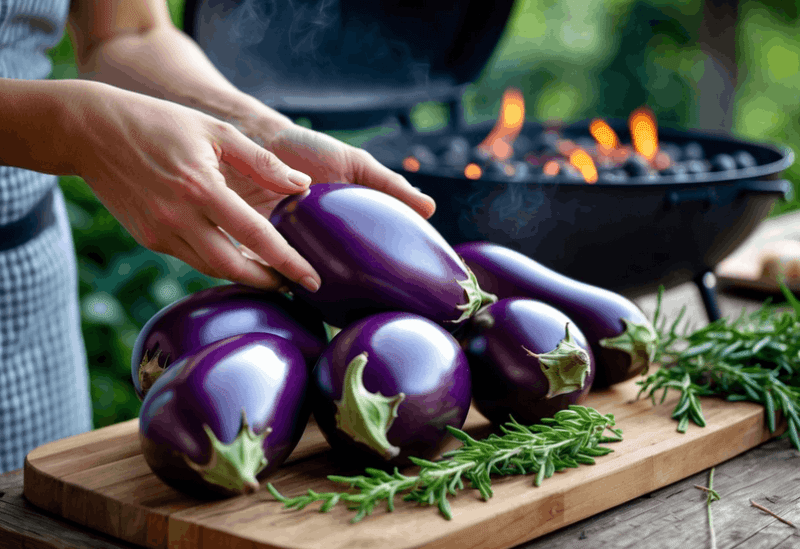
We embrace this cuisine as the epitome of simple elegance. High-quality extra virgin olive oil forms the foundation. Fresh herbs like oregano and thyme provide distinctive character.
Embracing the Art of Simple, Flavorful Marinades
Our exploration reveals a philosophy of restraint and quality. These preparations use fewer components than other international styles. They demand the finest olive oil and freshest herbs.
Careful attention to balance between acid, fat, and aromatics creates remarkable depth. The classic Greek preparation demonstrates this simplicity perfectly. It combines olive oil with fresh oregano, parsley, lemon juice, and garlic.
This versatile mixture works beautifully with various proteins. Robust meats benefit from extended marination of 4-24 hours. Delicate fish requires only brief exposure of 30 minutes.
| Marinade Type | Key Ingredients | Best For | Marination Time |
|---|---|---|---|
| Greek Marinade | Olive oil, oregano, parsley, lemon, garlic | Lamb, chicken, fish, seafood | 4-24 hours (meat), 30 min (fish) |
| Lebanese Marinade | Extra virgin olive oil, garlic, lemon, thyme, paprika | Chicken, lamb, vegetables | 2-12 hours |
| Lemon-Garlic Marinade | Olive oil, lemon juice, garlic, rosemary, thyme | Lamb chops, chicken | 4-8 hours |
Garlic appears prominently in these preparations. It provides pungent aromatic character that mellows during cooking. Oregano contributes the distinctive herbaceous note most associated with this cuisine.
The Lebanese variation builds on Greek foundations while adding warm spices. Paprika and a touch of cayenne heat demonstrate regional variations. All honor the core components of olive oil, garlic, lemon, and fresh herbs.
We recognize that complexity comes from ingredient quality and interaction. Wine, citrus, herbs, and olive oil work with proteins during marination. Proper heat management allows these simple but flavorful mixtures to shine.
Mastering Global Grilling at Home
The secret to successful home barbecue lies in mastering the balance between preparation time and actual hands-on work. We empower cooks to create international dishes by emphasizing that most of the process is passive.
Essential Tips for Marinating and Slow-Cooking
Understanding marination timing is crucial for tender results. Robust meats like beef and pork benefit from 4-24 hours in the refrigerator. Delicate fish needs only 30 minutes to avoid over-curing.
We recommend using plastic zip-lock bags for even coating and easy storage. This method minimizes cleanup in your kitchen while allowing periodic massage during marination hours.
| Protein Type | Recommended Marination Time | Best Cooking Method |
|---|---|---|
| Beef & Pork | 4-24 hours | Slow smoke or indirect grilling |
| Chicken | 2-8 hours | Medium heat grilling |
| Fish & Seafood | 30 minutes | Quick direct heat |
Balancing Cooking Times with Flavor Development
Slow-cooking requires minimal active attention once proteins are on the grill. Chef Kwiatkowski notes, "That's the beauty of it. You just need someone to watch the grill." This frees you for other tasks.
We suggest starting with forgiving meats like chicken thighs before advancing to precise fish. Speed-scratch options like pre-cooked marinated chicken offer authentic flavors with less time commitment.
Proper planning ensures optimal flavor development. Apply marinades overnight for next-day cooking. The relationship between marination time and cooking temperature directly affects final texture.
Pairing BBQ with Global Sides and Dressings
The perfect barbecue meal extends beyond the main course to include thoughtfully paired sides and dressings. These accompaniments create cohesive meals that transport diners on a complete culinary journey.

Enhancing Salads with International Vinaigrettes
Our exploration reveals how dressings bridge main courses with fresh sides. A Mediterranean herb vinaigrette with olive oil, lemon juice, and garlic complements lamb skewers beautifully.
Asian-inspired dressings create exciting flavor bridges. A sauce combining rice vinegar, soy, grated ginger, and sesame oil enhances both salads and leftover grilled pork. This way of building flavor coherence works across different dishes.
We find that coconut-based dressings offer creamy richness that balances smoky flavors. Thai-inspired mixtures with lemongrass and lime create dishes that feel both comforting and exotic.
Rice sides provide neutral foundations for bold flavors. Coconut sticky rice or steamed rice absorb sauce without competing for attention. This approach simplifies menu planning for home cooks.
Even vegetables benefit from global inspiration. Oak-grilled zucchini pairs wonderfully with Southeast Asian sambal or Italian walnut sauce. These combinations demonstrate how different spice profiles complement each other on modern menus.
We emphasize that marinade ingredients can transform into dressings by adjusting ratios. Adding more acid and oil creates cohesive flavor across the entire meal. This technique maximizes ingredient efficiency.
Conclusion
Across continents and cultures, the art of transforming simple ingredients into extraordinary meals follows similar principles. Chef Kwiatkowski captures this essence: "Barbecue at its core is taking time to develop flavor and tenderness in whatever you are cooking."
Our journey through diverse culinary traditions reveals how patience creates remarkable results. Whether marinating beef overnight or preparing delicate fish in thirty minutes, the investment of time pays off in superior taste.
We've discovered that authentic flavors come from understanding how ingredients like garlic, ginger, and various sauces interact during cooking. Different countries use unique combinations, but all share the goal of making food taste better.
Bringing these techniques into your home kitchen enriches your cooking repertoire. The same fundamental methods work across proteins from chicken to pork, demonstrating the versatility of proper marination.
We encourage you to explore these international approaches. The right marinades can elevate humble meat into memorable meals that connect you to traditions worldwide.
FAQ
What are the key ingredients for a Korean marinade?
We find that a great Korean marinade starts with a base of soy sauce, garlic, and ginger. The star ingredient is often gochujang, a fermented chili paste that adds a unique sweet and spicy flavor. This combination works wonderfully on beef, pork, and chicken.
How long should I marinate meat for Mexican-style grilling?
For the best results, we recommend marinating your meats for at least 2 hours. Citrus-based marinades, which are common in Mexican cooking, can start to "cook" the meat if left too long. For tougher cuts, a few hours is perfect to tenderize and infuse the bold spice flavors.
What makes Mediterranean grilling techniques different?
The Mediterranean approach often focuses on simplicity. We love using high-quality olive oil, fresh herbs like oregano, and lemon juice as a marinade. The technique emphasizes the natural flavor of the fish, chicken, or vegetables rather than masking it with heavy sauces.
Can I use these global flavors on a gas grill?
Absolutely! While different countries may have traditional cooking methods, the flavors themselves are versatile. Whether you use a gas grill, charcoal, or even a grill pan in your kitchen, you can achieve delicious results. The key is managing your cooking time and temperature.
What are some good side dishes to pair with these BBQ styles?
We suggest pairing dishes to complement the main course. For a Korean BBQ menu, steamed rice is essential. With Mexican grilled food, a fresh corn salad or cilantro-lime rice works well. Mediterranean grilled items are fantastic with a Greek salad or grilled pita bread.