When to Use Marinades vs Dry Rubs

The debate between marinades and dry rubs has been ongoing. Both have unique benefits and uses. They fit different types of cuisine and cooking methods.
Grilling techniques benefit from knowing the differences. Whether tenderizing meat or adding flavor, the right choice is key.
This article aims to guide you on marinades vs dry rubs. It helps you make better choices in the kitchen. By understanding their advantages and uses, you'll improve your cooking.
Understanding Marinades and Dry Rubs
Knowing the difference between marinades and dry rubs is key to getting the right flavor in your dishes. Both methods are used to make meat taste better and feel softer. But they do it in different ways.
What Are Marinades?
A marinade is a liquid mix with acid like vinegar or citrus, oil, and spices. The acid tenderizes the meat by breaking down proteins. The oil and spices add flavor. Marinades work best on tender meats like chicken and fish.
What Are Dry Rubs?
A dry rub is a mix of spices, herbs, and seasonings rubbed onto meat. It doesn't have any liquid. The spices create a flavorful crust on the meat's surface. This improves taste and texture. Dry rubs are great for grilled or smoked meats like ribs and steaks.
The Science Behind Flavor Enhancement
https://www.youtube.com/watch?v=wD7AdXFIoV8
Cooking is more than just a recipe; it's about the science of flavor. Marinades and dry rubs are two ways to make meat taste better. They work in different ways.
How Marinades Penetrate Meat
Marinades get into meat by moving through cell walls. They break down proteins and add flavor. Acid in marinades, like vinegar or citrus, is key. It tenderizes the meat and lets flavors go deeper.
Key components of a marinade include:
- Acidic ingredients (vinegar, citrus)
- Oils
- Herbs and spices
How Dry Rubs Create Flavor Crusts
Dry rubs make a flavorful crust on meat through the Maillard reaction. This reaction happens when food cooks, creating new flavors. Spices and ingredients in the rub help this process.
The Maillard reaction is influenced by:
| Factor | Effect on Maillard Reaction |
|---|---|
| Temperature | Higher temperatures accelerate the reaction |
| pH Level | A slightly alkaline environment enhances the reaction |
| Presence of Reducing Sugars | Essential for the reaction to occur |
When to Use Marinades vs Dry Rubs
Knowing when to use marinades or dry rubs is key for a great grilled or roasted dish. The choice depends on the meat type and the flavor you want.
Meat Types That Benefit From Marinades
Marinades work best for tougher meats like flank steak or pork shoulder. They use acidic ingredients to tenderize the meat. Marinating makes these cuts tender and flavorful.
Cuts That Shine With Dry Rubs
Dry rubs are perfect for tender meats like chicken breasts or steaks. They create a flavorful crust without tenderizing the meat. Dry rubs add a rich flavor to prime cuts.
Seafood Considerations
Choosing between marinades and dry rubs for seafood can be tricky. Delicate fish might do well with a light marinade. But, dry rubs are great for firmer fish or shellfish. Think about the seafood's flavor when making your choice.
| Meat Type | Recommended Method | Benefits |
|---|---|---|
| Tough Cuts (Flank Steak, Pork Shoulder) | Marinades | Tenderizes, Adds Flavor |
| Tender Cuts (Chicken Breasts, Steaks) | Dry Rubs | Enhances Flavor, Creates Crust |
| Seafood (Delicate Fish, Firm Fish, Shellfish) | Both, Depending on Type | Enhances Flavor, Can Add Tenderization |
Time Considerations for Both Methods

The success of marinades and dry rubs depends on when you use them. Getting the timing right can greatly improve the taste and tenderness of your dish.
Marinating Times for Different Proteins
Marinating times change based on the protein type. Delicate fish might need just 30 minutes to an hour. But tougher beef cuts might need hours or even a whole night.
It's crucial to adjust marinating times based on the protein's thickness and density to avoid making the meat mushy or too soft.
Culinary experts say, "The key to successful marinating is not just the ingredients, but also understanding the time each protein requires to absorb flavors without compromising texture."
"Marinating is an art that requires patience and a bit of science to get it just right," says Chef John Doe.
Application and Resting Times for Dry Rubs
Dry rubs are more flexible in application time. You can apply them right before cooking or let them rest on the meat for 30 minutes to several hours. This resting time helps the seasonings get into the meat, making it taste better. The choice of when to apply a dry rub depends on the cooking method and the desired intensity of flavor.
For example, when grilling, applying a dry rub 30 minutes to an hour before cooking can create a flavorful crust. For slow-cooked dishes, apply the dry rub the night before to let the flavors mix into the meat.
Flavor Profiles and Ingredient Selection
Marinades and dry rubs are a chance to get creative. They offer a wide range of flavors and ingredients to try. The secret to making great marinades and dry rubs is knowing the different flavors and picking the right ingredients.
The taste of a dish comes from its flavor profile. Marinades mix acids, oils, and spices in a special way. Citrus juice, for example, tenderizes meat and adds a tangy taste. Dry rubs, on the other hand, use spices, herbs, and sugars to create a flavorful crust on meat.
Essential Components of a Great Marinade
A top marinade has acids, oils, and aromatics in balance. Acids like vinegar or citrus juice soften meat, while oils add moisture and flavor. Aromatics like garlic, ginger, and herbs add deep, rich tastes.
"The art of cooking is not just about following a recipe, but understanding the harmony of flavors and techniques that elevate a dish."
Building a Balanced Dry Rub
A good dry rub mixes spices, herbs, and sometimes sugar or salt. It's important to balance the flavors so none dominate. For example, a chicken dry rub might have paprika, garlic powder, onion powder, salt, and a bit of brown sugar.
| Ingredient | Function | Example |
|---|---|---|
| Spices | Add depth and warmth | Paprika, Cumin |
| Herbs | Contribute freshness and aroma | Thyme, Rosemary |
| Sugars | Balance flavors and promote browning | Brown Sugar |
Regional and Ethnic Flavor Inspirations
Exploring different cuisines can spark new ideas for marinades and dry rubs. For example, a Korean marinade might use soy sauce, garlic, ginger, and gochujang. An Indian-inspired dry rub could include garam masala, cumin, coriander, and turmeric.
By trying out various flavors and ingredients, you can make marinades and dry rubs that boost your dishes' taste. They also show off your unique cooking style.
Cooking Techniques for Marinated vs. Dry-Rubbed Foods

Learning to cook marinated and dry-rubbed foods well means knowing different cooking methods. The method you choose can greatly affect the taste and texture of your dish.
Grilling and Smoking Considerations
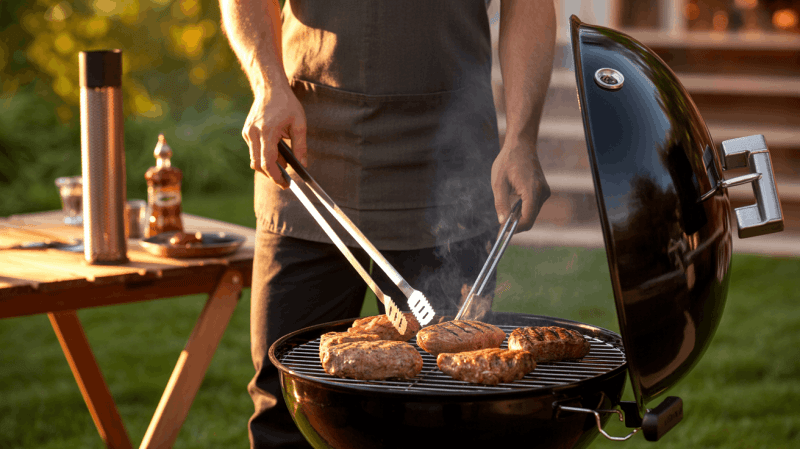
Grilling and smoking are top choices for cooking marinated and dry-rubbed meats. When grilling, make sure the grill is hot and cook the meat just right. This way, the outside gets a nice char and the inside stays juicy. Smoking cooks the meat slowly at a low temperature. It makes the meat tender and adds smoky flavors.
Key grilling tips: Preheat the grill, oil the grates, and don't press down on the meat.
Oven and Stovetop Methods
Oven roasting and stovetop cooking are great alternatives for marinated and dry-rubbed foods. Oven roasting cooks the meat evenly and keeps it moist. Stovetop cooking quickly sears the meat, locking in flavors.
Oven roasting tip: Use a wire rack to promote air circulation around the meat.
Temperature and Timing Adjustments
Changing the temperature and cooking time is key for great results, no matter the method. For marinated foods, you might need to cook them a bit longer to avoid overcooking. Dry-rubbed foods might need a bit more heat to get a crispy crust.
| Cooking Method | Temperature | Cooking Time |
|---|---|---|
| Grilling | Medium-High Heat | 5-7 minutes per side |
| Smoking | Low Heat (225°F) | 4-6 hours |
| Oven Roasting | 375°F | 20-30 minutes per pound |
Common Mistakes to Avoid With Both Methods
To get the best results with marinades and dry rubs, knowing common mistakes is key. Both methods can make your dishes better, but some errors can make them worse.
Marinade Pitfalls and Solutions
One big mistake with marinades is over-marinating. This can make meat mushy or too salty. Always follow the marinating times for different meats. For example, fish should marinate for 30 minutes, while tougher meats can marinate for hours or overnight.
Another mistake is not keeping the meat cold while marinating. This can cause bacteria to grow. Always marinate in the fridge, not at room temperature.
| Protein | Recommended Marinating Time |
|---|---|
| Delicate Fish | 30 minutes |
| Tough Cuts of Meat | Several hours or overnight |
Dry Rub Errors and Fixes
Using too much sugar in dry rubs is a common mistake. It can burn and taste bad. Mix your rub with spices, herbs, and just the right amount of sugar.
Not drying the meat before applying a dry rub is another error. This stops the rub from sticking well. Always dry the meat with paper towels before rubbing it.
Conclusion
Knowing the difference between marinades and dry rubs is key to great taste and texture in cooking. By choosing the right method, cooks can improve their grilling and cooking skills.
Marinades add moisture and flavor to meat, while dry rubs create a tasty crust. Trying out both can help cooks discover new flavors and mix-ins.
To use marinades and dry rubs well, think about the meat, cooking time, and temperature. Mastering these techniques can help cooks grow their skills and get consistent results. Whether grilling, smoking, or roasting in the oven, the right method makes a big difference in the taste of the dish.
FAQ
Q: What's the main difference between a marinade and a dry rub?
A: A marinade is a liquid mix that goes into the meat for flavor. A dry rub is a spice blend that creates a flavorful crust on the meat's surface.
Q: When should I use a marinade instead of a dry rub?
A: Use a marinade for delicate meats like poultry or fish. It's also good for tougher cuts and lean meats to add moisture.
Q: What types of meat are best suited for dry rubs?
A: Dry rubs are great for thicker, fattier meats like steaks, roasts, or ribs. They add a rich flavor to the meat's surface.
Q: How long should I marinate my meat?
A: Marinating times depend on the meat's type and thickness. For smaller cuts, 30 minutes to 2 hours is enough. Larger cuts might need 4-24 hours.
Q: Can I use a marinade and a dry rub together?
A: Yes, you can use both together. Marinate the meat first, then apply a dry rub before cooking for extra flavor.
Q: What's the best way to apply a dry rub?
A: Spread the dry rub evenly over the meat. Let it sit for 30 minutes to an hour before cooking to allow the flavors to penetrate.
Q: How do I choose the right flavor profile for my marinade or dry rub?
A: Think about the cuisine or region you want to inspire. Choose ingredients that match that style. You can also try different combinations for unique flavors.
Q: Can I reuse a marinade?
A: No, don't reuse a marinade. It may have bacteria from raw meat. Always discard it and make a fresh batch if needed.
Q: How do I avoid overpowering my meat with too much seasoning?
A: Taste as you go and adjust the seasoning. Start with a little seasoning and add more if needed. This way, you won't over-season.
DISCLAIMER
This document is provided for general information purposes only and should not be relied upon as providing legal advice, technical, or specific operational guidance to the reader, whether as to the practices described in the document or the applicable legal requirements and regulations. outdoorgrillguide.com expressly disclaims any responsibility for liability arising from or related to the use or misuse of any information in this document.