Mastering the Art of Grilling the Perfect Steak

Grilling a perfect steak is a skill you can learn with practice and the right tips. As someone who loves steak, I've found that knowing about different cuts and grilling techniques is key.
Whether you're new to grilling or have been doing it for years, picking the right meat is crucial. I always go for a ribeye steak because it's so tender and flavorful. The marbling in it makes a big difference. Other great choices are sirloin steak and filet mignon, each with its own special qualities.
Key Takeaways
- Understand the different types of steak cuts
- Choose the right grilling techniques for your steak
- Master the art of achieving perfect doneness
- Learn how to select the best steak for grilling
- Discover the importance of marbling in steak
The Art of Selecting the Right Steak
Choosing the perfect steak is an art. It starts with knowing the different cuts. At the butcher or supermarket, you'll find ribeye, sirloin, and filet mignon among the most popular.
Understanding Different Cuts: Ribeye, Sirloin, and Filet
Each cut has its own special traits. The ribeye steak is famous for its rich taste and soft texture. This is thanks to the marbling, or fat, that's spread throughout the meat.
The sirloin steak is leaner and can be cooked to many levels of doneness. It's also cheaper than ribeye or filet mignon, making it a budget-friendly option.
Filet mignon is loved for its tenderness. But it needs careful cooking to stay juicy, as it has less marbling than ribeye. Its tenderness and rich flavor make it perfect for special events.
What to Look for When Buying Quality Steak
When buying steak, look for certain qualities to ensure quality. Good marbling enhances flavor and tenderness. The steak's color is also key; it should be a deep red, showing it's fresh.
- Check the packaging for any signs of damage or leakage.
- Opt for steaks that are at least 1-1.5 inches thick to ensure even cooking.
- Consider the origin of the steak; certain regions are known for their high-quality beef.
By knowing the different cuts and what to look for, you can choose a steak that will make your grilling better.
Essential Equipment for Grilling the Perfect Steak
Grilling the perfect steak is more than just using good meat. You need the right tools and grills. These can make your grilling better and your steak taste amazing.
Grill Types and Their Impact on Flavor
The grill you choose can change how your steak tastes. Charcoal or wood-fired grills add a smoky flavor. Gas grills are great for control and ease.
Each grill has its own good points. Knowing these can help you pick the best one for you.
Grilling steak is more than just the grill. You also need other tools to succeed.
Must-Have Tools for Steak Grilling Success
To grill steak right, you need some key tools. Tongs or a spatula help you handle the steak. A meat thermometer checks if it's cooked just right.
A grill brush keeps your grill clean and prevents sticking. These tools are crucial for grilling success.
| Tool | Purpose | Benefits |
|---|---|---|
| Tongs or Spatula | Handling steak | Prevents damage to the steak, easy to flip |
| Meat Thermometer | Checking doneness | Ensures perfect cooking and food safety |
| Grill Brush | Grill maintenance | Prevents sticking, easy cleanup |
With the right grill and tools, you'll grill steaks that will wow everyone.
Preparing Your Steak Before Grilling

Before you start grilling, preparing your steak is key. It's important for a delicious grilled steak, no matter the cut. Whether it's a ribeye, sirloin, or filet, preparation is crucial.
Proper Thawing Techniques
First, thaw your steak correctly. Never thaw it at room temperature to avoid bacterial growth. Thaw it in the fridge or quickly in cold water, changing the water every 30 minutes.
Thawing in the fridge is safest but takes time. You can thaw it for hours or overnight. This way, it's ready for grilling the next day.
Seasoning Strategies for Maximum Flavor
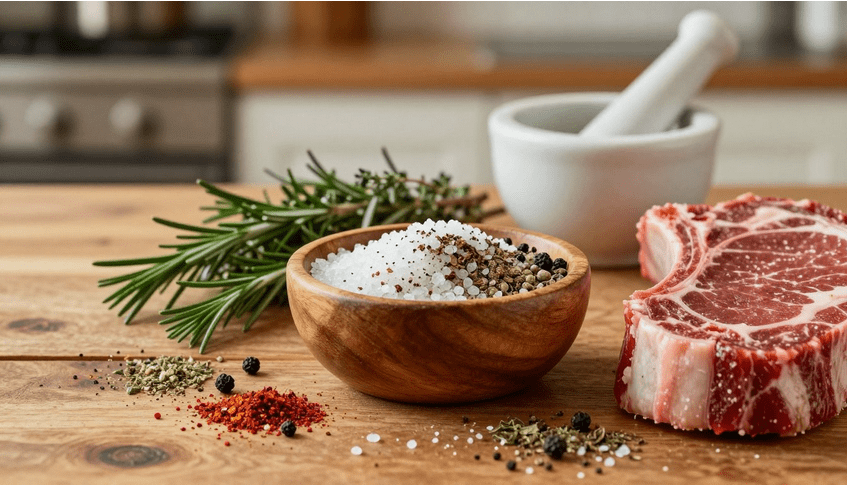
Seasoning lets you get creative with your steak. Salt and pepper can boost its natural taste. For more flavors, try a marinade or dry rub.
A marinade might include olive oil, garlic, and herbs. A dry rub could have paprika, thyme, and rosemary.
For a marinade, coat the steak well and let it sit for 30 minutes to several hours. Or even overnight in the fridge. For a dry rub, apply it just before grilling or a few hours in advance.
The Importance of Bringing Steak to Room Temperature
Bringing your steak to room temperature before grilling is key. Remove it from the fridge and let it sit for 30-60 minutes before grilling. This ensures even cooking.
By doing this, your steak cooks consistently. It becomes more tender and juicy.
How to Grill the Perfect Steak (Ribeye, Sirloin, Filet)

Grilling a perfect steak is all about mastering heat control and knowing your steak. It's not just about throwing a steak on the grill. It's an art that needs finesse and understanding of the steak's qualities.
Mastering Heat Zones on Your Grill
Understanding your grill's heat zones is key to grilling a perfect steak. Different steaks need different heat levels. For example, a ribeye needs high heat for a good sear, while a filet mignon prefers gentle heat to avoid overcooking.
Grilling the Perfect Ribeye
Grilling a ribeye right means getting a nice crust on the outside and keeping it tender inside. High heat is crucial for this crust.
Ideal Cooking Times and Temperatures
For a ribeye, cook at high heat (around 450°F to 500°F) for 4-5 minutes per side for medium-rare. Use a thermometer to check the internal temperature, aiming for 130°F to 135°F.
Techniques for That Perfect Crust
To get a perfect crust, make sure the grill grates are clean and brush the steak with oil before grilling. Don't press down on the steak with your spatula. This can squeeze out juices and prevent even browning.
Grilling the Perfect Sirloin
Sirloin steak needs a different approach because it's leaner. Please pay attention to its unique texture to avoid overcooking.
Handling Sirloin's Unique Texture
Sirloin benefits from a quick sear at high heat to lock in juices. Then, finish at a lower heat to get the desired doneness without drying out the steak.
Achieving Optimal Doneness
For sirloin, medium-rare is the best doneness. Grill for 3-4 minutes per side at high heat. Then, check the internal temperature, aiming for 130°F to 135°F.
Grilling the Perfect Filet Mignon
Filet mignon is tender, and grilling it requires care. Gentle heat and careful timing are essential.
Techniques for Even Cooking
Grill filet mignon over medium heat (around 300°F to 350°F) for even cooking. This helps keep it tender.
Maintaining Tenderness and Juiciness
To keep filet mignon juicy, grill it for 3-4 minutes per side. Cook until it reaches an internal temperature of 130°F to 135°F for medium-rare. Let it rest before serving to allow the juices to redistribute.
Testing for Doneness and Resting Your Steak

The secret to a perfectly grilled steak is knowing when it's done and how to rest it. Cooking it just right and letting it rest is key for a tender, flavorful bite.
Using the Touch Method vs. Meat Thermometer
There are two main ways to check if your steak is cooked right: the touch method and a meat thermometer. The touch method feels the steak's firmness to judge doneness. But, it's not always exact and needs practice.
A meat thermometer gives a precise reading of the internal temperature. This makes cooking your steak easier and more consistent.
Using a meat thermometer is generally recommended because it ensures accuracy. For example, a medium-rare steak should be around 130°F to 135°F. This helps in getting consistent results.
Temperature Guide for Different Levels of Doneness
Knowing the internal temperature for each doneness level is crucial for grilling the perfect steak. Here’s a quick guide:
- Rare: 120°F - 130°F
- Medium Rare: 130°F - 135°F
- Medium: 140°F - 145°F
- Medium Well: 150°F - 155°F
- Well Done: 160°F - 170°F
With this guide, you can cook your steak exactly as you like it.
Why Resting Your Steak Is Non-Negotiable
After cooking your steak to your liking, it's important to let it rest. Resting lets the juices spread evenly, making the steak tender and flavorful. Cutting into it too soon can lose these juices, making it less enjoyable.
Resting is a simple yet vital step that greatly improves your grilled steak. Letting it rest for 5 to 10 minutes is usually enough.
Serving Suggestions and Perfect Pairings
Grilling the perfect steak is just the start. The right sides can make it even better. Whether it's ribeye, sirloin, or filet mignon, the right match can change everything.
Complementary Sauces and Compound Butters
Adding a sauce or compound butter can boost your steak's flavor. A Béarnaise sauce is great with ribeye, while garlic and herb compound butter is perfect for filet mignon. Try out different bbq recipes and sauces to find your favorite.
Side Dishes That Enhance Your Grilled Steak
The right sides can turn a grilled steak into a full meal. Grilled veggies like asparagus or bell peppers are tasty and healthy. For something more filling, try garlic mashed potatoes or a fresh salad with tangy dressing.
Wine and Beverage Pairings by Cut
Choosing the right drink can make your meal even better. A full-bodied red wine like Cabernet Sauvignon goes well with ribeye. Sirloin pairs well with a lighter red, like Pinot Noir. Filet mignon is often matched with a rich, oaky Chardonnay. If you prefer beer or cocktails, pick something that complements your steak and sides.
By carefully choosing your sides and drinks, you can make a complete and enjoyable meal. Whether you're looking for grilled steak seasoning ideas or the perfect pairing, the key is to experiment and find what you like best.
Conclusion
Grilling the perfect steak is a skill you can learn. It takes practice and patience. Knowing about different steak cuts and the right grilling techniques is key.
To get great steaks, you need to know about steak cuts and grilling methods. This guide will help you, whether you're grilling a ribeye, sirloin, or filet mignon. You'll become a grill master in no time.
With these tips, you're ready to impress with your grilled steaks. So, fire up your grill and start practicing. Soon, you'll be a master griller, making perfect steaks every time.
FAQ
Q: What is the best steak cut for grilling?
A: The best steak cut for grilling is a matter of personal taste. Popular choices include ribeye, sirloin, and filet mignon. Look for a cut with good marbling for better flavor and tenderness.
Q: How do I achieve the perfect crust on a ribeye steak?
A: For a perfect crust on a ribeye, preheat your grill to high heat. Season the steak well and sear it for the right time. Using a cast-iron or stainless steel grill grate helps too.
Q: What is the ideal internal temperature for a grilled steak?
A: The ideal internal temperature for a grilled steak depends on how done you like it. Use a meat thermometer to check: rare (120°F - 130°F), medium-rare (130°F - 135°F), and so on.
Q: How long should I rest my steak after grilling?
A: Resting your steak is key for the perfect texture and flavor. Let it rest for 5-10 minutes, depending on its thickness.
Q: What are some recommended seasonings and marinades for grilled steak?
A: I keep it simple with salt, pepper, and garlic powder. But you can try olive oil, soy sauce, and herbs for different flavors. The goal is to enhance the steak's natural taste.
Q: Can I grill a frozen steak?
A: Grilling a frozen steak is possible, but thawing it first is better. It ensures even cooking and flavor. If grilling frozen, adjust cooking time and temperature.
Q: What are some good side dishes to serve with grilled steak?
A: My top picks include roasted vegetables, grilled asparagus, and sautéed mushrooms. A salad or garlic bread can also make the meal more filling.
Q: How do I choose the right wine to pair with my grilled steak?
A: Choose wine based on the steak type and doneness. A bold red like Cabernet Sauvignon goes well with ribeye. A lighter red, like Pinot Noir, suits filet mignon better.