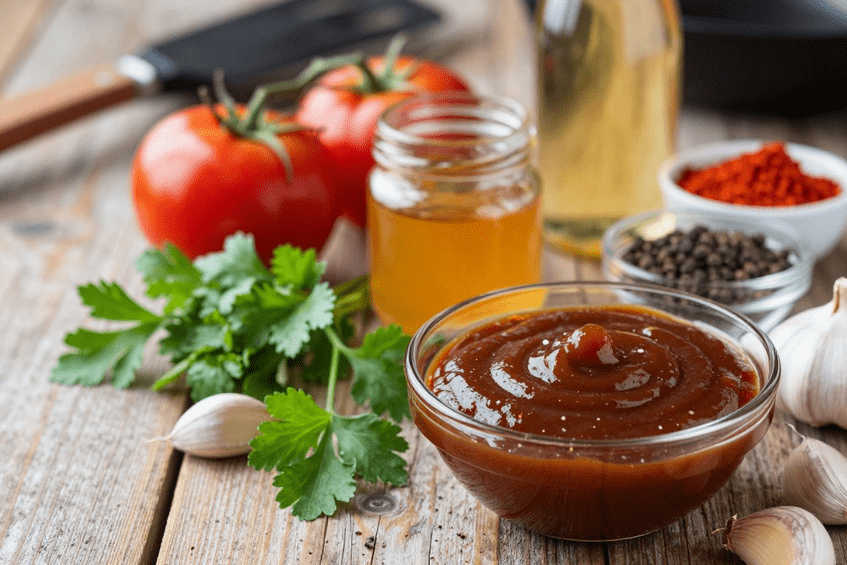
BBQ Sauces Explained: Sweet, Tangy, Vinegar & Spicy

We explore the world of American barbecue, where regional styles and flavor profiles are key. BBQ sauces are essential, adding unique touches to our meals.
In places like the Carolinas, Texas, and Kansas City, BBQ fans stick to their favorite sauces. Knowing about the different BBQ sauces helps us see the variety and depth of American barbecue.
Examining regional styles, we learn about the cultural significance of these sauces in American cuisine.
Key Takeaways
- BBQ sauces are crucial in American barbecue culture.
- Regional styles and flavors vary substantially across the U.S.
- Understanding BBQ sauce types can improve barbecue.
- Each region has its own special BBQ sauce style.
- A guide to barbecue sauces can help us better understand American barbecue.
Understanding the World of BBQ Sauces
American barbecue is a mix of cultures and local tastes. It shows how different flavors come together. This mix is shaped by history and local likes.
The Role of BBQ Sauce in American Cuisine
BBQ sauce is more than a topping in American food. It shows the country's rich food history. Regional BBQ traditions have their own signature flavors.
In North Carolina, sauces are vinegar-based. In South Carolina, they're mustard-based. This shows how American food adapts and grows.
Regional BBQ Traditions and Their Signature Flavors
The U.S. has many BBQ styles, each with its own taste. The Carolina tradition uses vinegar for a tangy taste. Memphis BBQ, by contrast, is sweeter, with tomato-based sauces.
- The vinegar-based sauces of North Carolina.
- The mustard-based sauces characteristic of South Carolina.
- The sweet and tangy tomato-based sauces found in Memphis.
These differences show the variety of BBQ sauces. They also highlight the cultural background of each sauce.
BBQ Sauces Explained: Sweet, Tangy, Vinegar & Spicy

BBQ sauces come in many flavors, each with its own taste and traditions. Knowing these differences helps you pick the right sauce for your BBQ.
Sweet BBQ Sauces: Molasses, Brown Sugar, and Honey
Sweet BBQ sauces have a rich, sugary taste. They often include molasses, brown sugar, and honey. These sauces are great for those who like a milder, sweeter flavor.
Best Meats for Sweet BBQ Sauces
Sweet BBQ sauces go well with several meats. Here are some examples:
- Pork ribs
- Chicken
- Brisket
These meats match the sweet sauce's flavor, making for a tasty BBQ.
Tangy BBQ Sauces: Tomato and Mustard-Based
Tangy BBQ sauces have a bright, acidic taste. They're often made with tomatoes or mustard. These sauces are perfect for those who like a bit of zing.
How to Balance Acidity in Tangy Sauces
To balance tangy BBQ sauces, try these tips:
- Add a sweetener like honey or brown sugar
- Use a mix of tomato and vinegar
- Try different types of vinegar
Vinegar-Based BBQ Sauces: The Carolina Tradition
Vinegar-based BBQ sauces are a Carolina favorite. They have a sharp, tangy flavor. These sauces mix vinegar, water, and spices.
Creating Authentic Vinegar BBQ Sauce at Home
To make authentic vinegar-based BBQ sauce, you'll need:
- Vinegar (apple cider or white vinegar)
- Water
- Spices (like salt, black pepper, and red pepper flakes)
Mix these ingredients and adjust to taste. This sauce is great for a lighter, more acidic flavor.
Spicy BBQ Sauces: Heat Levels and Pepper Varieties
Spicy BBQ sauces add a bold, spicy kick. They use hot peppers and spices. These sauces are perfect for those who love a fiery taste.
Balancing Heat and Flavor in Spicy Sauces
To balance spicy BBQ sauces, try these tips:
- Add a dairy product like sour cream or yogurt
- Use a sweetener to counteract the heat
- Experiment with different hot peppers
Adjusting the heat makes the sauce enjoyable for more people.
Conclusion
Exploring BBQ sauces shows us a wide range of flavors. You can find everything from sweet and tangy to vinegar-based and spicy. Each type suits different tastes and preferences.
Knowing about different BBQ sauce types helps you choose the right one. Whether you're looking for the best or trying new flavors, there's always something new to find.
Trying out different BBQ sauces will make you appreciate American barbecue more. It also makes your cooking better. With so many flavors, you can always find the perfect sauce for your next BBQ.
FAQ
Q: What are the main types of BBQ sauces?
A: There are four main types of BBQ sauces. These include sweet, tangy, vinegar-based, and spicy. Each type has its own flavor and is best for different barbecue styles.
Q: What characterizes a sweet BBQ sauce?
A: Sweet BBQ sauces use molasses, brown sugar, and honey. These ingredients give them a rich, sweet taste. They're great for grilled meats and are popular in some barbecue styles.
Q: How do tangy BBQ sauces differ from sweet ones?
A: Tangy BBQ sauces are tomato or mustard-based. They have a sharp, acidic taste. This contrast makes them perfect for grilled meats.
Q: What is the significance of vinegar-based BBQ sauces?
A: Vinegar-based BBQ sauces, like those from the Carolinas, use vinegar as a main ingredient. They have a tangy flavor that's great for barbecue. They're perfect for those who don't like very sweet sauces.
Q: What makes a BBQ sauce spicy?
A: Spicy BBQ sauces include peppers or spicy ingredients. This adds heat to the sauce. The heat level can range from mild to very hot, depending on the peppers used.
Q: Can I make my own BBQ sauce at home?
A: Yes, making your own BBQ sauce at home is encouraged. By mixing different ingredients, you can create a sauce that fits your taste. Understanding the basics of various BBQ sauce styles helps you tailor your sauce.
Q: How do I choose the best BBQ sauce for my needs?
A: Choosing the right BBQ sauce depends on your taste, the meat you're grilling, and the style you want. Try out different sauces to find the perfect match for your barbecue.
DISCLAIMER
This document is provided for general information purposes only and should not be relied upon as providing legal advice, technical, or specific operational guidance to the reader, whether as to the practices described in the document or the applicable legal requirements and regulations. outdoorgrillguide.com expressly disclaims any responsibility for liability arising from or related to the use or misuse of any information in this document.