Healthy Grilling: Recipes and Tips for a Lighter, Healthier Grilling Experience
Summer brings the irresistible aroma of food sizzling on the grill. But grilling doesn't have to mean heavy, calorie-laden meals. You can enjoy delicious grilled dishes while keeping nutrition in mind.
This guide shares practical recipes and expert tips for healthy grilling. You'll discover flavorful marinades, lean protein options, and vegetable-focused dishes. Each recipe balances taste with nutrition.
Whether you're planning a backyard dinner or a weekend barbecue, these ideas will transform your grilling routine. Let's explore how simple ingredient swaps and smart techniques create lighter, healthier meals.
Free Resource: Download our Healthy Grilling Cheat Sheet with marinade recipes, cooking times, and ingredient swaps to make every meal nutritious and delicious.

Why Choose Healthy Grilling?
Grilling offers unique advantages for preparing nutritious meals. The high heat seals in flavors while allowing excess fat to drip away. This cooking method requires minimal added oils compared to pan-frying.
The grill enhances natural flavors in vegetables and proteins. Caramelization creates complex taste profiles without heavy sauces. You control exactly what goes into each dish.
Outdoor cooking also encourages eating more vegetables. The smoky char makes even simple vegetables irresistible. Grilled food retains more nutrients than some other cooking methods when done correctly.
Advantages of Grilling
- Reduces fat content as it drips away during cooking
- Preserves nutrients in vegetables and proteins
- Requires minimal added oils or fats
- Creates complex flavors without heavy sauces
- Encourages outdoor activity and social eating
Grilling Considerations
- Charring can create potentially harmful compounds
- Requires monitoring to prevent overcooking
- Weather-dependent for outdoor grilling
- Needs proper temperature control for food safety
- Marinades may add hidden sugars or sodium

Essential Tips for Healthier Grilling
Mastering a few key techniques transforms ordinary grilled meals into nutritious feasts. These strategies reduce harmful compounds while maximizing flavor and nutrition.
Control Your Heat
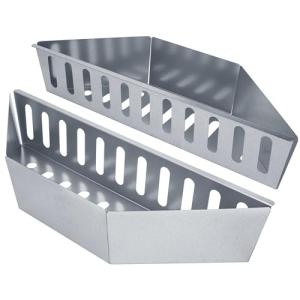
Medium heat prevents charring while cooking food thoroughly. Position coals to one side for indirect heat zones. This gives you flexibility when cooking different items.
Use a meat thermometer to ensure proper internal temperatures. Chicken should reach 165°F, while pork needs 145°F. Fish is done at 145°F when it flakes easily.

Marinate for Flavor and Safety
Marinades do more than add taste. Acidic ingredients like lime juice reduce harmful compound formation during grilling. Plan to marinate proteins for at least two hours.
Create marinades with olive oil, citrus juice, garlic, and herbs. Avoid sugary bottled sauces that burn easily. The acid in marinades also tenderizes tougher cuts of meat.
Always discard used marinade that contacted raw meat. Reserve a portion before adding protein if you want sauce for serving.
Prep Your Grill Properly
Clean grates prevent sticking and remove residue from previous cooking. Oil the grates lightly before heating. This creates a non-stick surface naturally.
Preheat your grill for 10-15 minutes before cooking. Hot grates create better sear marks and prevent food from tearing when flipped.

Choose Lean Proteins
Skinless chicken breast, fish, and lean cuts of pork work beautifully on the grill. These options contain less saturated fat than fattier cuts. Trim visible fat before grilling.
Fish like salmon provides healthy omega-3 fatty acids. Grilled shrimp cooks quickly and pairs well with vegetables. Plant-based proteins like tofu also grill successfully.
Load Up on Vegetables
Vegetables should occupy half your grill space. Zucchini, bell peppers, onions, and tomatoes develop incredible flavor when grilled. Cut vegetables into uniform sizes for even cooking.
Use a grill basket for smaller items like green beans or sliced mushrooms. Thread vegetables onto skewers for easy turning. Brush lightly with olive oil and season simply with salt and pepper.
Corn cob transforms on the grill. Leave the husk on and soak in water for easier grilling. Or remove the husk and grill directly for charred kernels.

Never Miss a Healthy Recipe
Join 50,000+ readers getting weekly grilling recipes, tips, and seasonal meal ideas delivered free to your inbox every Tuesday.
Flavorful Marinades and Sauces
Homemade marinades beat store-bought versions in nutrition and taste. You control sodium, sugar, and ingredient quality. These recipes take minutes to prepare.
Asian-Inspired Marinade
This versatile marinade works with chicken, pork, or grilled shrimp. The soy sauce base provides umami depth while ginger adds brightness.
Ingredients
- 1/4 cup low-sodium soy sauce
- 2 tablespoons rice vinegar
- 1 tablespoon sesame oil
- 2 cloves garlic, minced
- 1 tablespoon fresh ginger, grated
- 1 tablespoon honey
- 1 teaspoon sriracha (optional)
Whisk all ingredients together in a bowl. Marinate protein for 2-4 hours before grilling. This recipe makes enough for 1.5 pounds of protein.

Mediterranean Lemon Herb Marinade
Bright and fresh, this marinade complements fish, chicken, and vegetables. Lime juice and lemon create acidity that tenderizes while adding flavor.
Ingredients
- 1/3 cup extra virgin olive oil
- Juice of 2 lemons
- 2 tablespoons lime juice
- 3 cloves garlic, minced
- 2 tablespoons fresh oregano, chopped
- 1 tablespoon fresh thyme
- 1 teaspoon black pepper
- 1/2 teaspoon sea salt
Combine ingredients and pour over protein or vegetables. This works especially well with salmon and grilled shrimp. Marinate for 1-3 hours.
Spicy Lime Cilantro Sauce
Serve this vibrant sauce over grilled chicken or fish. The fresh flavors brighten any grilled dish without heavy calories.
Ingredients
- 1 cup fresh cilantro, packed
- Juice of 3 limes
- 2 tablespoons olive oil
- 2 cloves garlic
- 1 jalapeño, seeded
- 1/4 teaspoon salt
- 2 tablespoons water
Blend all ingredients until smooth. Drizzle over grilled proteins just before serving. This sauce keeps refrigerated for up to 5 days.

Healthy Grilled Chicken Recipes
Chicken remains the most popular grilling choice for good reason. Lean protein, versatile flavor, and quick cooking time make it ideal for summer meals.
Lemon Garlic Grilled Chicken Breast
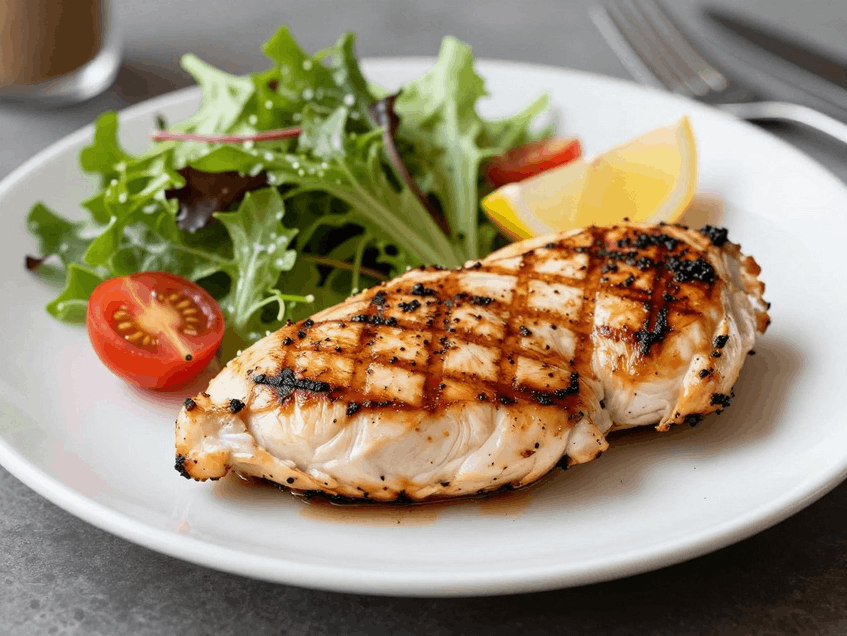
This simple recipe delivers maximum flavor with minimal ingredients. The lemon marinade keeps chicken moist while grilling.
Recipe Details
Prep time: 10 minutes (plus 2 hours marinating)
Cook time: 12-15 minutes
Serves: 4
Ingredients
- 4 boneless, skinless chicken breasts (6 oz each)
- 1/4 cup olive oil
- Juice of 2 lemons
- 5 cloves garlic, minced
- 2 tablespoons fresh rosemary, chopped
- 1 teaspoon black pepper
- 1/2 teaspoon sea salt
Instructions
- Pound chicken breasts to even thickness (about 3/4 inch).
- Whisk together olive oil, lemon juice, garlic, rosemary, pepper, and salt.
- Place chicken in a zip-top bag with marinade. Refrigerate for 2-4 hours.
- Preheat grill to medium-high heat (375-400°F).
- Remove chicken from marinade and pat dry slightly.
- Grill for 6-7 minutes per side until internal temperature reaches 165°F.
- Rest for 5 minutes before slicing.
Nutrition per serving: 285 calories, 42g protein, 11g fat, 2g carbs

Spicy Honey Lime Chicken Thighs
Chicken thighs stay juicier than breasts on the grill. This marinade balances sweet honey with spicy heat and tangy lime.
Recipe Details
Prep time: 10 minutes (plus 3 hours marinating)
Cook time: 14-16 minutes
Serves: 4
Ingredients
- 8 boneless, skinless chicken thighs
- 3 tablespoons honey
- Juice of 3 limes
- 2 tablespoons olive oil
- 2 teaspoons chili powder
- 1 teaspoon cumin
- 1/2 teaspoon cayenne pepper
- 4 cloves garlic, minced
- 1/2 teaspoon salt
Instructions
- Trim excess fat from chicken thighs.
- Mix honey, lime juice, olive oil, spices, garlic, and salt in a bowl.
- Add chicken to marinade and refrigerate for 3-6 hours.
- Preheat grill to medium heat (350-375°F).
- Grill chicken for 7-8 minutes per side until internal temperature reaches 165°F.
- Brush with reserved marinade during last 2 minutes of cooking.
- Rest for 5 minutes before serving.
Nutrition per serving (2 thighs): 310 calories, 38g protein, 12g fat, 13g carbs

Greek Chicken Skewers
Threading chicken onto skewers creates perfect portion control. These Mediterranean-inspired skewers pair beautifully with grilled vegetables.
Recipe Details
Prep time: 15 minutes (plus 2 hours marinating)
Cook time: 10-12 minutes
Serves: 4
Ingredients
- 1.5 lbs chicken breast, cut into 1.5-inch cubes
- 1/4 cup olive oil
- Juice of 2 lemons
- 3 cloves garlic, minced
- 2 tablespoons fresh oregano
- 1 teaspoon dried oregano
- 1/2 teaspoon black pepper
- 1/2 teaspoon salt
- 1 red onion, cut into chunks
- 1 red bell pepper, cut into chunks
Instructions
- Combine olive oil, lemon juice, garlic, oregano, pepper, and salt.
- Add chicken cubes and marinate for 2-4 hours.
- Soak wooden skewers in water for 30 minutes.
- Thread chicken, onion, and bell pepper onto skewers, alternating items.
- Preheat grill to medium-high heat (400°F).
- Grill skewers for 5-6 minutes per side, turning once.
- Check internal temperature reaches 165°F.
Nutrition per serving (2 skewers): 295 calories, 36g protein, 13g fat, 8g carbs

Recommended: Digital Meat Thermometer

Never overcook chicken again. This instant-read thermometer ensures perfect internal temperature every time. Accurate to 1°F in under 3 seconds.
Recommended: Grill Basket for Vegetables

Grill vegetables, shrimp, and small items without losing them through the grates. Non-stick surface and handles make grilling easier and healthier.
Grilled Seafood Recipes
Fish and seafood cook quickly on the grill while providing lean protein and healthy fats. These recipes showcase different cooking techniques for various types of seafood.
Cedar Plank Salmon with Herbs
Grilling salmon on cedar planks infuses smoky flavor while preventing sticking. This technique keeps the fish moist and adds aromatic depth.
Recipe Details
Prep time: 10 minutes (plus 1 hour soaking plank)
Cook time: 12-15 minutes
Serves: 4
Ingredients
- 1 cedar grilling plank
- 4 salmon fillets (6 oz each)
- 2 tablespoons olive oil
- 2 tablespoons fresh dill, chopped
- 1 tablespoon fresh parsley
- 2 cloves garlic, minced
- Juice of 1 lemon
- 1/2 teaspoon black pepper
- 1/4 teaspoon salt
Instructions
- Soak cedar plank in water for at least 1 hour.
- Mix olive oil, dill, parsley, garlic, lemon juice, pepper, and salt.
- Brush mixture over salmon fillets.
- Preheat grill to medium heat (350°F).
- Place salmon skin-side down on soaked cedar plank.
- Put plank on grill and close lid.
- Grill for 12-15 minutes until salmon flakes easily and reaches 145°F.
- Serve directly from the plank.
Nutrition per serving: 320 calories, 34g protein, 19g fat, 2g carbs

Garlic Lime Grilled Shrimp
Grilled shrimp cook in minutes and absorb marinade flavors quickly. This recipe works as an appetizer or main dish paired with salad.
Recipe Details
Prep time: 10 minutes (plus 30 minutes marinating)
Cook time: 4-6 minutes
Serves: 4
Ingredients
- 1.5 lbs large shrimp, peeled and deveined
- 3 tablespoons olive oil
- Juice of 2 limes
- 4 cloves garlic, minced
- 1 teaspoon paprika
- 1/2 teaspoon cumin
- 1/4 teaspoon cayenne pepper
- 1/2 teaspoon salt
- 2 tablespoons fresh cilantro, chopped
Instructions
- Combine olive oil, lime juice, garlic, paprika, cumin, cayenne, and salt.
- Add shrimp and toss to coat. Marinate for 30 minutes.
- Thread shrimp onto metal skewers or soaked wooden skewers.
- Preheat grill to medium-high heat (400°F).
- Grill shrimp for 2-3 minutes per side until pink and opaque.
- Remove from grill and sprinkle with fresh cilantro.
Nutrition per serving: 215 calories, 29g protein, 9g fat, 4g carbs

Grilled Tuna Steaks with Sesame
Tuna steaks benefit from quick, high-heat grilling. Keep the center slightly rare for best texture and flavor.
Recipe Details
Prep time: 10 minutes (plus 1 hour marinating)
Cook time: 6-8 minutes
Serves: 4
Ingredients
- 4 tuna steaks (6 oz each, 1-inch thick)
- 3 tablespoons low-sodium soy sauce
- 2 tablespoons sesame oil
- 1 tablespoon rice vinegar
- 2 cloves garlic, minced
- 1 tablespoon fresh ginger, grated
- 2 tablespoons sesame seeds
- 2 scallions, sliced thin
Instructions
- Mix soy sauce, sesame oil, rice vinegar, garlic, and ginger.
- Marinate tuna steaks for 1 hour in refrigerator.
- Remove tuna and press sesame seeds onto both sides.
- Preheat grill to high heat (450-500°F).
- Oil grill grates well to prevent sticking.
- Grill tuna for 3-4 minutes per side for medium-rare center.
- Rest for 2 minutes and top with sliced scallions.
Nutrition per serving: 280 calories, 40g protein, 11g fat, 4g carbs

Lean Pork Recipes for the Grill
Modern pork contains less fat than previous decades. Lean cuts like tenderloin and loin chops grill beautifully when not overcooked.
Asian Glazed Pork Tenderloin
Pork tenderloin is one of the leanest cuts available. This recipe keeps it moist while building layers of flavor through marinade and glaze.
Recipe Details
Prep time: 15 minutes (plus 3 hours marinating)
Cook time: 15-18 minutes
Serves: 4
Ingredients
- 2 pork tenderloins (1 lb each)
- 1/4 cup low-sodium soy sauce
- 2 tablespoons honey
- 2 tablespoons rice vinegar
- 3 cloves garlic, minced
- 1 tablespoon fresh ginger, grated
- 1 tablespoon sesame oil
- 1 teaspoon Chinese five-spice powder
- 2 tablespoons brown sugar
Instructions
- Trim silver skin from pork tenderloins.
- Whisk together soy sauce, honey, vinegar, garlic, ginger, sesame oil, and five-spice powder.
- Reserve 1/4 cup marinade for glazing. Marinate pork in remaining mixture for 3-4 hours.
- Preheat grill to medium-high heat (400°F).
- Grill pork for 15-18 minutes, turning every 4-5 minutes.
- Brush with reserved marinade during last 5 minutes.
- Remove when internal temperature reaches 145°F.
- Rest for 10 minutes before slicing.
Nutrition per serving: 295 calories, 48g protein, 7g fat, 12g carbs

Herb-Crusted Pork Chops
Bone-in pork chops stay juicier on the grill. A simple herb rub creates a flavorful crust without added sugars.
Recipe Details
Prep time: 10 minutes
Cook time: 10-12 minutes
Serves: 4
Ingredients
- 4 bone-in pork chops (8 oz each, 1-inch thick)
- 2 tablespoons olive oil
- 2 tablespoons fresh rosemary, minced
- 1 tablespoon fresh thyme
- 3 cloves garlic, minced
- 1 teaspoon black pepper
- 1 teaspoon smoked paprika
- 1/2 teaspoon salt
Instructions
- Pat pork chops dry with paper towels.
- Mix olive oil, rosemary, thyme, garlic, pepper, paprika, and salt into paste.
- Rub herb mixture all over pork chops.
- Let sit at room temperature for 15 minutes.
- Preheat grill to medium-high heat (400°F).
- Grill pork chops for 5-6 minutes per side.
- Check internal temperature reaches 145°F.
- Rest for 5 minutes before serving.
Nutrition per serving: 310 calories, 42g protein, 14g fat, 2g carbs

Grilled Vegetable Recipes and Sides
Vegetables become the star when grilled properly. High heat caramelizes natural sugars and creates complex flavors that make healthy eating delicious.
Perfect Grilled Zucchini and Summer Squash
Zucchini and summer squash cook quickly on the grill. Cut them lengthwise to prevent falling through grates.
Recipe Details
Prep time: 10 minutes
Cook time: 8-10 minutes
Serves: 4
Ingredients
- 3 medium zucchini
- 3 medium yellow squash
- 3 tablespoons olive oil
- 2 cloves garlic, minced
- 1 teaspoon Italian seasoning
- 1/2 teaspoon black pepper
- 1/4 teaspoon salt
- 2 tablespoons fresh basil, chopped
Instructions
- Slice zucchini and squash lengthwise into 1/2-inch thick planks.
- Mix olive oil, garlic, Italian seasoning, pepper, and salt.
- Brush vegetables with oil mixture.
- Preheat grill to medium-high heat (400°F).
- Grill vegetables for 4-5 minutes per side until tender with grill marks.
- Remove from grill and sprinkle with fresh basil.
Nutrition per serving: 125 calories, 3g protein, 10g fat, 8g carbs

Balsamic Grilled Vegetables
A medley of vegetables soaks up balsamic marinade flavor. This dish works as a side or vegetarian main course.
Recipe Details
Prep time: 15 minutes
Cook time: 12-15 minutes
Serves: 6
Ingredients
- 2 red bell peppers, cut into chunks
- 2 yellow bell peppers, cut into chunks
- 1 large red onion, cut into wedges
- 8 oz mushrooms, halved
- 1 lb cherry tomatoes
- 1/4 cup balsamic vinegar
- 3 tablespoons olive oil
- 3 cloves garlic, minced
- 1 tablespoon fresh oregano
- 1/2 teaspoon black pepper
- 1/4 teaspoon salt
Instructions
- Whisk together balsamic vinegar, olive oil, garlic, oregano, pepper, and salt.
- Toss vegetables with marinade and let sit for 15 minutes.
- Thread vegetables onto skewers or use grill basket.
- Preheat grill to medium heat (375°F).
- Grill vegetables for 12-15 minutes, turning occasionally.
- Vegetables should be tender with slight char.
Nutrition per serving: 110 calories, 3g protein, 7g fat, 11g carbs

Grilled Corn with Lime and Chili
Corn cob on the grill develops sweet, smoky flavor. This Mexican-inspired preparation keeps it light and fresh.
Recipe Details
Prep time: 10 minutes
Cook time: 12-15 minutes
Serves: 6
Ingredients
- 6 ears fresh corn, husks removed
- 2 tablespoons olive oil
- Juice of 2 limes
- 1 teaspoon chili powder
- 1/2 teaspoon cumin
- 1/4 teaspoon cayenne pepper
- 1/4 cup fresh cilantro, chopped
- 2 tablespoons cotija cheese, crumbled (optional)
Instructions
- Brush corn with olive oil.
- Preheat grill to medium-high heat (400°F).
- Grill corn for 12-15 minutes, turning every 3-4 minutes.
- Corn should have char marks all around.
- Mix lime juice, chili powder, cumin, and cayenne.
- Brush grilled corn with lime mixture.
- Sprinkle with cilantro and optional cheese.
Nutrition per serving: 115 calories, 3g protein, 5g fat, 17g carbs

Grilled Green Beans with Garlic
Green beans develop crispy edges and tender centers on the grill. A grill basket prevents them from falling through grates.
Recipe Details
Prep time: 10 minutes
Cook time: 8-10 minutes
Serves: 4
Ingredients
- 1 lb fresh green beans, trimmed
- 2 tablespoons olive oil
- 4 cloves garlic, minced
- 1/2 teaspoon black pepper
- 1/4 teaspoon salt
- 1 tablespoon lemon juice
- 2 tablespoons toasted almonds, slivered
Instructions
- Toss green beans with olive oil, garlic, pepper, and salt.
- Preheat grill to medium-high heat (400°F).
- Place green beans in grill basket.
- Grill for 8-10 minutes, shaking basket occasionally.
- Beans should be tender-crisp with some char.
- Remove from grill and toss with lemon juice.
- Top with toasted almonds before serving.
Nutrition per serving: 105 calories, 3g protein, 8g fat, 8g carbs

Lighter Burgers and Kebabs
Burgers and kebabs don't have to be heavy. Lean proteins and creative ingredients create satisfying meals without excessive calories.
Turkey Burgers with Greek Flavors
Ground turkey creates lean burgers when properly seasoned. These Mediterranean-inspired burgers stay juicy through careful preparation.
Recipe Details
Prep time: 15 minutes
Cook time: 10-12 minutes
Serves: 4
Ingredients
- 1.5 lbs ground turkey (93% lean)
- 1/4 cup feta cheese, crumbled
- 2 cloves garlic, minced
- 2 tablespoons fresh oregano, chopped
- 1 tablespoon fresh mint, chopped
- 1/2 teaspoon black pepper
- 1/4 teaspoon salt
- 4 whole wheat buns
- Lettuce, tomato, red onion for topping
Instructions
- Mix ground turkey, feta, garlic, oregano, mint, pepper, and salt gently.
- Form into 4 patties, about 3/4-inch thick.
- Make slight indentation in center of each patty.
- Preheat grill to medium-high heat (400°F).
- Grill burgers for 5-6 minutes per side.
- Internal temperature should reach 165°F.
- Toast buns on grill for 1 minute.
- Serve with fresh vegetables.
Nutrition per serving (with bun): 385 calories, 42g protein, 14g fat, 24g carbs

Vegetable and Halloumi Kebabs
Halloumi cheese holds up beautifully on the grill. These vegetarian kebabs provide protein and satisfying texture.
Recipe Details
Prep time: 20 minutes
Cook time: 10-12 minutes
Serves: 4
Ingredients
- 8 oz halloumi cheese, cut into 1-inch cubes
- 2 zucchini, cut into thick rounds
- 1 red bell pepper, cut into chunks
- 1 yellow bell pepper, cut into chunks
- 8 oz mushrooms, whole
- 1 red onion, cut into wedges
- 3 tablespoons olive oil
- 2 tablespoons lemon juice
- 1 tablespoon fresh oregano
- 1/2 teaspoon black pepper
Instructions
- Mix olive oil, lemon juice, oregano, and pepper.
- Toss vegetables and halloumi with mixture.
- Thread onto skewers, alternating vegetables and cheese.
- Preheat grill to medium heat (375°F).
- Grill kebabs for 10-12 minutes, turning every 3 minutes.
- Vegetables should be tender and cheese slightly golden.
Nutrition per serving (2 kebabs): 285 calories, 14g protein, 21g fat, 12g carbs

Beef and Vegetable Kebabs
Lean beef combined with vegetables creates balanced kebabs. This recipe maximizes flavor while keeping portions reasonable.
Recipe Details
Prep time: 20 minutes (plus 2 hours marinating)
Cook time: 10-12 minutes
Serves: 4
Ingredients
- 1.25 lbs sirloin steak, cut into 1.5-inch cubes
- 1 red bell pepper, cut into chunks
- 1 green bell pepper, cut into chunks
- 1 red onion, cut into wedges
- 8 oz mushrooms, whole
- 3 tablespoons olive oil
- 2 tablespoons Worcestershire sauce
- 3 cloves garlic, minced
- 1 tablespoon fresh thyme
- 1 teaspoon black pepper
- 1/2 teaspoon salt
Instructions
- Whisk together olive oil, Worcestershire sauce, garlic, thyme, pepper, and salt.
- Marinate beef cubes for 2-4 hours.
- Thread beef and vegetables onto skewers, alternating items.
- Preheat grill to medium-high heat (400°F).
- Grill kebabs for 10-12 minutes, turning every 3 minutes.
- Beef should reach desired doneness (145°F for medium-rare).
Nutrition per serving (2 kebabs): 315 calories, 32g protein, 16g fat, 10g carbs

Recommended: Sugar-Free BBQ Sauce

Add rich BBQ flavor without added sugars. This sauce uses natural sweeteners and real spices. Perfect for chicken, pork, and burgers.
Fresh Grilled Salads and Light Sides
Grilled elements add depth to fresh salads. These recipes combine raw and grilled ingredients for satisfying summer meals.
Grilled Chicken and Peach Salad
Grilled fruit adds unexpected sweetness to savory salads. This dish balances protein, produce, and bright flavors perfectly.
Recipe Details
Prep time: 15 minutes
Cook time: 15 minutes
Serves: 4
Ingredients
- 4 boneless, skinless chicken breasts (5 oz each)
- 3 ripe peaches, halved and pitted
- 8 cups mixed greens
- 1/2 cup red onion, thinly sliced
- 1/4 cup pecans, toasted
- 2 oz goat cheese, crumbled
- 3 tablespoons olive oil
- 2 tablespoons balsamic vinegar
- 1 tablespoon honey
- 1 teaspoon Dijon mustard
Instructions
- Season chicken with salt and pepper.
- Preheat grill to medium-high heat (400°F).
- Grill chicken for 6-7 minutes per side until 165°F internal temperature.
- Brush peach halves with olive oil and grill cut-side down for 3-4 minutes.
- Slice grilled chicken and peaches.
- Whisk together remaining olive oil, balsamic vinegar, honey, and mustard.
- Toss greens with dressing and divide among plates.
- Top with chicken, peaches, red onion, pecans, and goat cheese.
Nutrition per serving: 395 calories, 38g protein, 19g fat, 21g carbs

Grilled Shrimp and Avocado Salad
Grilled shrimp pair beautifully with creamy avocado. This protein-rich salad works as lunch or light dinner.
Recipe Details
Prep time: 15 minutes
Cook time: 6 minutes
Serves: 4
Ingredients
- 1.5 lbs large shrimp, peeled and deveined
- 2 tablespoons olive oil
- Juice of 2 limes
- 6 cups romaine lettuce, chopped
- 2 avocados, diced
- 1 cup cherry tomatoes, halved
- 1/2 cup corn kernels, grilled
- 1/4 cup red onion, diced
- 1/4 cup fresh cilantro, chopped
- 2 tablespoons lime juice (for dressing)
- 3 tablespoons olive oil (for dressing)
Instructions
- Toss shrimp with olive oil and lime juice.
- Preheat grill to high heat (450°F).
- Grill shrimp for 2-3 minutes per side until pink.
- Combine lettuce, avocado, tomatoes, corn, red onion, and cilantro.
- Whisk together lime juice and olive oil for dressing.
- Toss salad with dressing.
- Top with grilled shrimp.
Nutrition per serving: 385 calories, 31g protein, 24g fat, 17g carbs

Grilled Vegetable Quinoa Bowl
Quinoa provides complete protein while grilled vegetables add smoky depth. This versatile bowl works hot or cold.
Recipe Details
Prep time: 20 minutes
Cook time: 25 minutes
Serves: 4
Ingredients
- 1 cup quinoa, uncooked
- 2 cups vegetable broth
- 2 zucchini, sliced lengthwise
- 1 red bell pepper, quartered
- 1 yellow bell pepper, quartered
- 1 red onion, sliced into rings
- 8 oz cherry tomatoes
- 3 tablespoons olive oil
- 2 tablespoons lemon juice
- 2 cloves garlic, minced
- 1/4 cup fresh parsley, chopped
- 1/4 cup feta cheese, crumbled
Instructions
- Cook quinoa in vegetable broth according to package directions.
- Brush vegetables with olive oil.
- Preheat grill to medium-high heat (400°F).
- Grill vegetables for 8-10 minutes until tender with char marks.
- Chop grilled vegetables into bite-sized pieces.
- Mix lemon juice, remaining olive oil, and garlic for dressing.
- Combine quinoa, grilled vegetables, and dressing.
- Top with parsley and feta cheese.
Nutrition per serving: 315 calories, 10g protein, 14g fat, 40g carbs

Food Safety and Grilling Best Practices
Safe grilling protects your health while ensuring delicious results. These practices prevent foodborne illness and create consistently excellent meals.
Temperature Guidelines
Different proteins require specific internal temperatures for safety. Use a reliable meat thermometer to verify doneness.
| Protein Type | Safe Internal Temperature | Approximate Grill Time | Visual Doneness Cue |
| Chicken Breast | 165°F | 12-15 minutes | Juices run clear |
| Chicken Thighs | 165°F | 14-16 minutes | No pink meat visible |
| Pork Tenderloin | 145°F | 15-18 minutes | Slight pink center |
| Pork Chops | 145°F | 10-12 minutes | Juices clear or slight pink |
| Beef Steaks (medium-rare) | 135°F | 8-10 minutes | Warm red center |
| Ground Beef Burgers | 160°F | 10-12 minutes | No pink visible |
| Salmon | 145°F | 8-12 minutes | Flakes easily |
| Shrimp | 145°F | 4-6 minutes | Pink and opaque |

Cross-Contamination Prevention
Separate raw and cooked foods throughout the grilling process. Use different plates and utensils for raw proteins and finished dishes.
Never reuse marinade that contacted raw meat unless you boil it first. Keep a clean platter ready for cooked food before you start grilling.
Wash hands thoroughly after handling raw proteins. Clean cutting boards and prep surfaces with hot, soapy water immediately after use.
Proper Food Storage
Refrigerate marinating proteins rather than leaving them at room temperature. Don't marinate for more than 24 hours as texture can deteriorate.
Store leftovers within two hours of cooking, or one hour if outdoor temperature exceeds 90°F. Refrigerate grilled food in shallow containers for quick cooling.
Grill Maintenance
Clean grill grates after each use while still warm. Use a grill brush to remove stuck food particles and prevent buildup.
Empty grease traps regularly to prevent flare-ups. Check gas connections periodically if using a gas grill. Replace worn parts promptly.

Flavor Enhancement Without Extra Calories
Creating bold flavors doesn't require heavy sauces or excessive fats. These techniques maximize taste while keeping meals light.
Dry Rubs and Spice Blends
Dry rubs add intense flavor without liquid calories. Create custom blends with your favorite spices and herbs.
Classic BBQ Rub
Perfect for chicken, pork, or beef. This balanced blend works with any protein.
- 2 tablespoons smoked paprika
- 1 tablespoon brown sugar
- 1 tablespoon chili powder
- 1 teaspoon garlic powder
Mediterranean Herb Blend
Bright and fresh, ideal for fish and vegetables. No salt needed with these aromatics.
- 2 tablespoons dried oregano
- 1 tablespoon dried thyme
- 1 tablespoon dried basil
- 1 teaspoon lemon zest
Spicy Cajun Seasoning
Heat and complexity for adventurous palates. Adjust cayenne to taste preference.
- 1 tablespoon paprika
- 1 tablespoon garlic powder
- 1 teaspoon cayenne pepper
- 1 teaspoon black pepper
Asian Five-Spice Blend
Complex flavor profile perfect for pork and chicken. A little goes a long way.
- 1 tablespoon Chinese five-spice
- 1 teaspoon ginger powder
- 1 teaspoon garlic powder
- 1/2 teaspoon white pepper

Smoking with Wood Chips
Wood chips add smoky depth without calories. Soak chips in water for 30 minutes before adding to coals or smoker box.
Different woods create distinct flavors. Apple and cherry provide mild sweetness. Hickory and mesquite offer stronger, more robust smoke.
Use smoking sparingly with fish and chicken. These proteins absorb smoke flavor quickly. Beef and pork handle heavier smoking well.
Fresh Herb Finishing
Add fresh herbs after cooking to preserve their bright flavor. Basil, cilantro, and parsley lose potency when heated too long.
Create herb oils by blending fresh herbs with olive oil. Drizzle over grilled items just before serving. This technique adds visual appeal and fresh taste.

Meal Prep and Batch Grilling
Grilling multiple meals at once saves time during busy weeks. Proper storage keeps grilled food fresh and flavorful for days.
Planning Your Grill Session
Choose complementary proteins and vegetables that cook at similar temperatures. Chicken and vegetables work well together on medium-high heat.
Prep all ingredients before lighting the grill. Cut vegetables uniformly. Portion proteins into serving sizes. Mix marinades in advance.
Create a grilling timeline starting with items that take longest. Thick chicken breasts need more time than shrimp or thin fish fillets.
Storage Guidelines
Cool grilled food quickly before refrigerating. Divide large batches into shallow containers. Food cools faster in smaller portions.
Store different proteins separately for food safety. Label containers with cooking date. Most grilled proteins last 3-4 days refrigerated.
Freeze portions you won't eat within three days. Wrap individual servings tightly. Frozen grilled chicken and pork maintain quality for 2-3 months.
Meal Prep Tip: Grill extra vegetables to use in different dishes throughout the week. Grilled peppers work in salads, grain bowls, and omelets. Grilled zucchini adds nutrition to pasta dishes and sandwiches.
Reheating Best Practices
Reheat grilled proteins gently to preserve moisture. Microwave on medium power in short intervals. Add a tablespoon of water or broth to prevent drying.
Oven reheating at 325°F works well for larger portions. Cover with foil to trap steam. Most items reheat in 10-15 minutes.
Grilled vegetables reheat beautifully in a skillet with a little olive oil. This refreshes their texture better than microwaving.

Grilling for Special Diets
Healthy grilling adapts easily to various dietary needs. Simple modifications make recipes work for different eating styles.
Low-Carb and Keto Grilling
Focus on proteins and low-carb vegetables. Skip marinades with honey or brown sugar. Use citrus, vinegar, and herbs for flavor.
Zucchini, bell peppers, mushrooms, and asparagus contain minimal carbs. Avocado adds healthy fats to grilled dishes. Cheese like halloumi or feta works well in keto meals.
Paleo-Friendly Options
Most grilled proteins and vegetables fit paleo guidelines naturally. Avoid sauces with refined sugars or soy sauce.
Use coconut aminos instead of soy sauce in Asian-inspired marinades. Sweeten with dates or pure maple syrup rather than honey alternatives.
Vegetarian and Vegan Grilling
Portobello mushrooms create satisfying "burger" alternatives. Marinate them like proteins for maximum flavor absorption.
Firm tofu holds up well on the grill when pressed properly. Press for 30 minutes before marinating. Cut into thick slabs or cubes for skewers.
Tempeh offers more texture than tofu. Grill directly or cut into strips for kebabs. It absorbs marinades exceptionally well.

Gluten-Free Considerations
Most grilled proteins and vegetables are naturally gluten-free. Watch for hidden gluten in marinades and sauces.
Regular soy sauce contains wheat. Use tamari or coconut aminos instead. Check BBQ sauces and bottled marinades for gluten-containing thickeners.
Serve with gluten-free sides like quinoa salad, grilled corn, or roasted sweet potatoes instead of traditional burger buns.
Seasonal Grilling Throughout the Year
Each season brings unique ingredients perfect for grilling. Seasonal produce offers peak flavor and nutrition.
Summer Grilling Favorites
Peak tomato season delivers incredible flavor on the grill. Halve roma tomatoes and grill cut-side down until charred. Use in salsas and salads.
Stone fruits like peaches, plums, and nectarines caramelize beautifully. Grill halved fruits for desserts or savory pairings with chicken and pork.
Fresh corn reaches sweetness perfection in summer months. Grill directly on cobs or remove kernels after grilling for salads and salsas.

Fall and Winter Grilling
Don't pack away the grill when weather cools. Fall vegetables develop incredible sweetness when grilled.
Brussels sprouts halved and grilled until crispy transform skeptics. Toss with balsamic glaze after grilling.
Butternut squash sliced into rounds grills perfectly. Brush with olive oil and season simply. The natural sugars caramelize gorgeously.
Apples and pears work wonderfully as grilled desserts or pork accompaniments. Core and slice into rings before grilling.
Spring Grilling Opportunities
Asparagus signals spring's arrival. Snap off woody ends and grill whole spears with olive oil and lemon.
Young zucchini and summer squash appear in spring markets. Their tender texture requires less grilling time than mature vegetables.
Spring onions and scallions develop sweet, mild flavor when grilled. Brush with oil and grill until charred in spots.

Family-Friendly Healthy Grilling
Getting kids excited about healthy grilled food creates lifelong positive eating habits. These strategies make nutritious grilling appealing to younger palates.
Interactive Grilling Activities
Let kids help with age-appropriate prep tasks. Young children can wash vegetables. Older kids can thread items onto skewers.
Create "build your own" grilling stations. Set out marinated proteins and cut vegetables. Let each family member assemble personal kebabs.
Make grilling visual and fun. Use colorful vegetables to create rainbow skewers. Turn chicken into "dinosaur nuggets" by cutting fun shapes before grilling.
Kid-Approved Recipes
Mild flavors work better than spicy options for most children. Start with simple lemon herb marinades before introducing bold spices.
Grilled chicken tenders appeal to kids who enjoy familiar shapes. Cut chicken breast into strips before marinating and grilling.
Fruit skewers make healthy desserts exciting. Thread pineapple, strawberries, and melon onto sticks. Grill briefly and serve with yogurt dip.

Sneaking in Nutrition
Finely chopped vegetables mixed into burger patties add nutrition kids won't notice. Grated zucchini or minced mushrooms work well in turkey or chicken burgers.
Serve grilled proteins with favorite dipping sauces. Kids more readily try new foods when paired with familiar flavors.
Make grilled vegetables into "fries" by cutting into stick shapes. Sweet potato, zucchini, and carrot "fries" develop crispy edges on the grill.
Advanced Techniques for Better Results
Master these professional methods to elevate your grilling game. Small technique improvements create restaurant-quality results.
Two-Zone Grilling
Create hot and cool zones on your grill for better control. Bank coals to one side for charcoal grills. Turn off burners on one side for gas grills.
Start proteins on high heat for searing. Move to cooler zone to finish cooking through. This prevents burning while ensuring proper internal temperature.
Use the cool zone for vegetables that cook quickly. They stay warm without overcooking while proteins finish.
Reverse Searing
Cook thick steaks or chops on indirect heat first. Bring to 10-15 degrees below target temperature. Then sear on high heat for 2 minutes per side.
This technique creates even cooking throughout with a perfect crust. It works especially well for thick-cut pork chops and ribeye steaks.
Brining for Moisture
Wet brining keeps lean proteins juicy. Dissolve salt in water with herbs and spices. Submerge chicken or pork for 2-4 hours before grilling.
Dry brining works with just salt rubbed on protein. Salt draws out moisture initially, then reabsorbs with proteins. This concentrates flavor and improves texture.
Rinse and pat dry after brining to prevent overly salty results. Season normally after drying.

Resting Meat Properly
Always rest proteins after grilling. Five minutes for chicken breasts and fish. Ten minutes for thick steaks and pork roasts.
Resting allows juices to redistribute throughout the meat. Cutting immediately causes juices to run out onto the plate.
Tent loosely with foil during resting. Don't wrap tightly or the crust will steam and soften.
Solving Common Grilling Problems
Even experienced grillers face challenges. These solutions address frequent issues for consistently successful results.
Why does my chicken always dry out?
Overcooking causes dry chicken. Use a meat thermometer to check exact temperature. Remove chicken at 165°F, not higher. Marinating for at least 2 hours adds moisture. Pound breasts to even thickness so they cook uniformly. Let chicken rest 5 minutes after grilling.
How do I prevent food from sticking to grates?
Clean and oil grates before every use. Preheat grill thoroughly before adding food. Pat proteins dry before placing on grill. Avoid moving food too early—it releases naturally when properly seared. Use a fish basket for delicate items like fish fillets.
What causes flare-ups and how do I control them?
Fat dripping onto hot coals or burners creates flare-ups. Trim excess fat from proteins before grilling. Move food to cooler zone if flames appear. Keep grill lid nearby to cut oxygen if needed. Clean grease traps regularly. Never use water on grease fires.
Why are my vegetables mushy instead of crisp-tender?
Overcooking or too-low heat creates mushy vegetables. Use medium-high heat for most vegetables. Cut pieces uniformly for even cooking. Don't overcrowd the grill or grill basket. Vegetables need space for heat circulation. Remove when they're tender-crisp with slight char.
How can I add smoky flavor on a gas grill?
Use a smoker box filled with soaked wood chips. Place directly on heat source. Wrap wood chips in foil with holes poked in top if you lack a smoker box. Close the grill lid to trap smoke. Choose mild woods like apple or cherry for delicate proteins.
Why do my burgers fall apart on the grill?
Handle ground meat gently when forming patties. Overworking makes burgers tough or crumbly. Make patties slightly larger than buns—they shrink during cooking. Create a small indentation in the center to prevent bulging. Flip only once during cooking. Use a sturdy spatula for support.

Final Tips for Grilling Success
These last pointers tie together everything you've learned. Apply them consistently for the best healthy grilling experience.
Do These Things
- Preheat grill thoroughly before cooking
- Use a meat thermometer for accuracy
- Let proteins rest after grilling
- Clean grill grates after each use
- Marinate for flavor and moisture
- Choose lean cuts and trim visible fat
- Load half your grill with vegetables
- Plan for two-zone cooking
Avoid These Mistakes
- Skipping grill preheating
- Flipping food too frequently
- Cutting into meat to check doneness
- Using lighter fluid on already-lit coals
- Reusing marinade from raw meat
- Overcrowding the grill surface
- Cooking everything on high heat
- Neglecting to oil grill grates
"The secret to healthy grilling isn't complicated—choose quality ingredients, master your heat zones, and let natural flavors shine through simple seasonings."
Healthy grilling transforms ordinary meals into flavorful experiences. The techniques in this guide work for beginners and experienced cooks alike.
Start with simple recipes to build confidence. Master basic marinades before experimenting with complex flavor combinations. Perfect your heat control for consistent results.
Remember that healthy eating doesn't mean sacrificing taste. Grilled food naturally develops rich, complex flavors through caramelization and smoke. Your grill is one of the healthiest cooking tools in your kitchen.

Want More Healthy Grilling Recipes?
Get our complete Summer Grilling Meal Plan FREE—includes 4 weeks of recipes, shopping lists, and prep guides to make healthy grilling effortless all season long.