Best Foods to Grill in Winter (And What to Avoid)

I keep grilling useful, not extreme. I want winter grilling to be a simple way to keep summer flavor alive, push indoor smells outside, and add variety to cold-season meals. My goal is practical: repeatable routines that fit a typical US backyard grill.
I note cold weather changes timing and heat. Expect longer preheat and often 20–30% more cooking time. I close the lid, plan for steady heat, and pick cuts that cook quickly and forgive a chill.
In this piece I preview the core list: what I grill in winter, what I avoid or modify, and simple setup and safety tips like grill placement, snow and ice care, lighting, gloves, and a thermometer. Read on for straightforward advice you can use this season and year-round.
Why I Grill in Winter Instead of Waiting for Summer
Cold weather rarely stops me—grilling keeps summer tastes alive through the year. I use the grill as a simple way to add smoke, char, and bright flavor when indoor meals feel repetitive.
I keep those summer flavors going all year
Smoke and char are unique. A stovetop can’t reliably recreate that BBQ-style taste. I sear steaks and char vegetables so the flavor stays familiar, even in colder months.
I keep strong cooking smells outside when the windows are shut
Winter kitchens trap aromas. Sausages, chicken, and steak can leave lingering smells in the house.
Grilling moves that cooking outside, so the indoor air stays fresh and family members aren’t overwhelmed by heavy scents.
I expand my winter meal options beyond the stove
Grilling gives me more variety than soups and pans. It’s a practical way to rotate meals and keep dinner interesting.
Quick tip: Adjust timing and fuel in cold weather so your results stay consistent. More on that in the next section.
My Winter Grilling Setup for Snow, Ice, and Cold Temperatures
I set up my winter grill area to cut wind, clear snow, and keep every step predictable. That planning keeps cooking safe and repeatable when weather turns harsh.
Safe position and wind protection
I place the grill behind a solid windbreak like a fence or a detached wall while keeping at least ten feet from the house, car, or any flammable material.
This distance follows safety guidance and reduces stray sparks near structures. I also shovel a clear, non-icy area where I stand and move.
Cover, snow, and ice handling
I use a grill cover to stop snow and ice buildup. When the cover has snow on it, I lift it off and clear the pile away instead of scraping the grill surface.
If the grill is uncovered, I remove accumulated snow and ice before lighting. That layer lowers grill temp and lengthens preheat time.
Essential gear I rely on
Non-negotiables:
- Insulated gloves for safe handling of hot grill tools and lids.
- A magnetic grill light or headlamp so I can see during early sunsets.
- An instant-read thermometer to check doneness fast and keep lid openings to a minimum.
"Clear the area, respect the ten-foot rule, and use a cover — those three moves make winter grilling predictable."
| Setup Item | Why I Use It | Quick Action |
|---|---|---|
| Grill placement | Wind control and safety from structures | Place behind windbreak, keep 10 ft distance |
| Grill cover | Prevents snow/ice and speeds startup | Remove cover with buildup intact; clear off before use |
| Insulated gloves | Protect hands from cold and hot grill parts | Wear for handling lids and tools |
| Lighting | Safe visibility during short winter days | Use magnetic light or headlamp |
| Instant-read thermometer | Faster accuracy; fewer lid openings | Check internal temps quickly |
Heat, Fuel, and Timing: How I Get Consistent Results When It’s Cold Out
Winter makes the grill work harder, so I treat heat like a limited resource. I plan my cooks around steady heat and fewer lid openings.
Preheat and lid discipline
I add extra preheat time: in cold temperatures, I let the grill run 10–15 extra minutes so grates and internal air reach stable temperatures.
Keep the lid closed as much as possible. Each opening lets heat escape and can add 20–30% more cooking time.
Gas vs. charcoal and fuel planning
I usually choose a gas grill for faster startup and easier control in cold weather. I choose charcoal when I want deeper smoke but accept more prep.
Plan extra fuel. Cold burns more fuel, so I keep spare propane or charcoal on hand.
Timing and indirect heat for big cooks
Build extra minutes into your schedule so dinner isn’t rushed. For a whole chicken, I set up two zones and cook indirectly for even results.
- Place rosemary sprigs on coals or in a smoker box for herb-smoke flavor.
- Use a thermometer and fewer lid lifts for consistent cooking.
"Treat heat as a resource: preheat longer, protect it, and plan for more time."
Best Foods to Grill in Winter (And What to Avoid)
My winter grilling list centers on cuts that sear fast and taste full-bodied with minimal fuss. I choose proteins that cut total minutes outside and hold up to colder air.
Steak that cooks fast and stays juicy
I pick thinner steak cuts in cold weather so the meat cooks quickly and stays juicy. I season simply with salt and pepper, or add a spicy rub for warming flavor. Use an instant-read thermometer and expect a little extra time in winter; the thermometer saves guessing and limits lid openings.
Sausages for quick comfort meals
Sausages brown reliably and flip easily, so they’re great for weeknight dinners. Grill onions alongside for sandwiches, or slice grilled sausages into pasta or soup for smoky depth without extra work.
Short ribs and rich cuts that love char
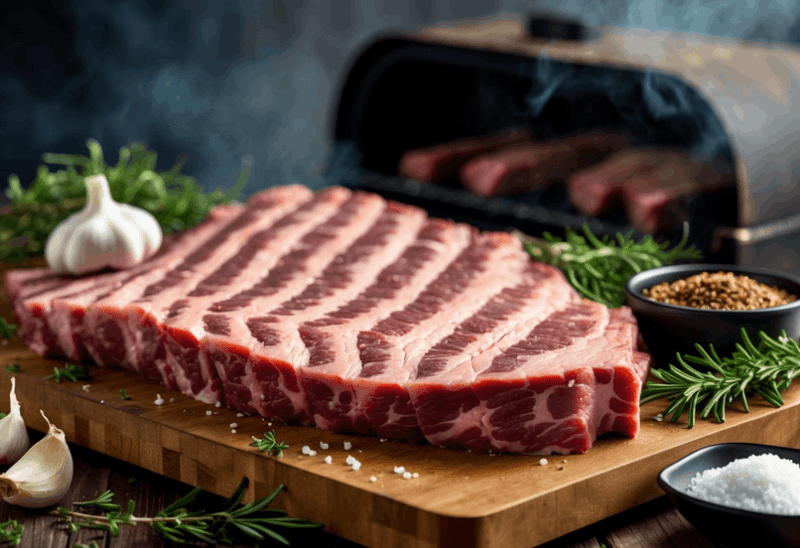
Cross-cut short ribs take char fast and stay juicy under high heat. They’re forgiving on a hot grill and deliver big bbq flavor with little babysitting.
Chicken done right with indirect heat
For chicken I use indirect heat and a thermometer for steady results. Tuck rosemary sprigs near coals or in a smoker box for herb-smoke flavor that feels seasonal and special.
Winter skewers for fast cooking
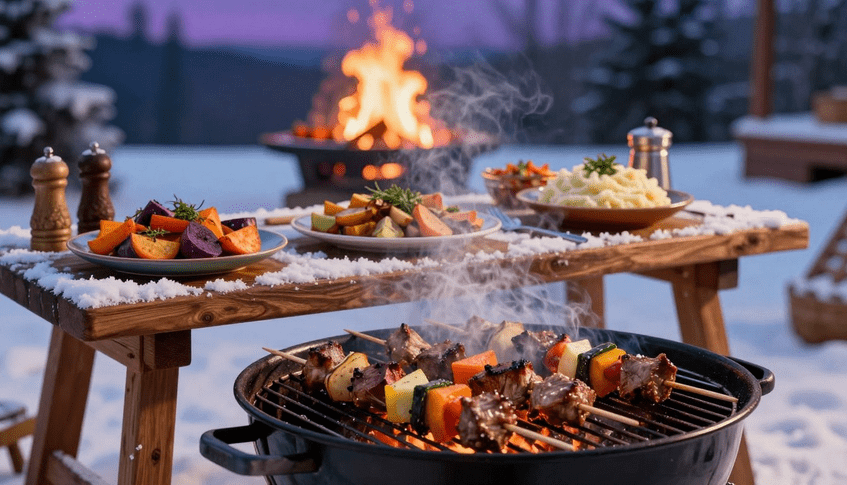
Skewers with small, even pieces of steak, chicken, or sausage cut total time outside. Add winter veg like squash or Brussels sprouts, brush with oil and season, and grill until edges char.
What I avoid: Very thick cuts or fussy dishes that force repeated lid lifts. They lengthen cooking time and make cold-weather grilling frustrating.
In-Season Vegetables That Work Well on a Hot Grill
I lean on high heat for winter vegetables because char turns simple produce into bold side dishes. High direct flame creates caramelization that makes basic veg taste like more work went into them.
Brussels sprouts that caramelize beautifully
I halve brussels sprouts for more surface area. I toss them with oil and salt so they don't dry out or stick.
I use a grill basket and let them brown, then move them to a cooler zone if they need an extra few minutes to soften.
Winter squash that stays crisp and bright
Butternut squash grills best when sliced evenly. The hot grill chars edges while keeping the center firm and not overly sweet.
Potatoes: wedges, cubes, or foil-wrapped
For quick sides, I grill wedges directly. For a hands-off approach, I foil-wrap whole or sliced potatoes and cook until tender.
Mushrooms for fast, savory flavor
Mushrooms grill fast and pair with steak and sausages. Brush with oil and season before they hit the grate.
My go-to trick: quick parboil
I parboil tougher veg for 1–2 minutes, dry them, then finish on the grill. It cuts grill minutes and keeps the results consistent.
Never skip oil and seasoning: vegetables lack natural fat, so a light coat prevents sticking and boosts flavor.
Cold-Weather Comfort Foods I Love to Grill Beyond the Usual BBQ

When frost bites, I focus the grill on simple, warming recipes that finish fast. These ideas keep smoky flavor in winter without turning dinner into a long project.
Grilled pizza for smoky flavor and easy winter topping combos
I oil the crust so it won’t stick, then pre-grill or pre-bake the base to make it stable. After that I add toppings and finish with the lid down for even heat.
Winter topping combos I use: turkey sausage + Brussels sprouts; sweet potato + kale; apple + goat cheese + pecan; butternut squash + gorgonzola; turkey + cranberry + caramelized onion + ricotta.
A whole “meal-on-the-grill” approach: meat, potatoes, and a vegetable together
I stage a protein, foil-wrapped potatoes, and a grilled vegetable so everything finishes at once. Foil packets hold heat and cut trips to the store for extra sides.
This coordinated way reduces total outside cooking time and limits lid openings. It’s my go-to when I want a complete meal without fuss.
Smoky tomato soup using charred tomatoes (great with grilled cheese)
I char halved tomatoes 3–5 minutes per side until the skins blacken lightly. Then I puree them and simmer with garlic, shallots, basil, and broth.
This smoky soup pairs perfectly with a quick grilled cheese. It’s a cozy, efficient way to bring bbq flavor inside on a cold night.
"Stage everything, protect heat, and finish indoors when needed — that keeps winter grilling quick and reliable."
| Dish | Key Step | Why I Like It |
|---|---|---|
| Grilled pizza | Oil crust; pre-grill or pre-bake; finish with lid down | Fast, smoky, versatile winter toppings |
| Meal-on-the-grill | Staggered timing; foil-wrapped potatoes; indirect zone | One cook, less outside time |
| Smoky tomato soup | Char tomatoes 3–5 minutes per side; puree; simmer | Deep flavor; pairs with grilled cheese |
Winter Desserts That Actually Belong on the Grill
A warm grill can turn simple fruit into a cozy winter dessert in minutes. I like this approach because the cooker is already hot, so dessert is quick and keeps me outside for less time.
Grilled apples and pears with cinnamon-brown sugar flavor
My method is repeatable: slice apples or pears about 1/4-inch thick. Toss them briefly in water with a splash of lemon juice to stop browning.
Place slices on a well-oiled grate and grill 5–7 minutes per side. Look for soft fruit, clear grill marks, and lightly caramelized edges.
When the fruit is warm, sprinkle cinnamon and brown sugar. The sugars melt into the fruit and create a deep, seasonal flavor that feels like comfort food without fuss.
How I serve it: simple or with ice cream
I often serve grilled fruit plain as a light finish. It’s a nice contrast after a hearty main dish and takes very little time.
When I want a fuller dessert vibe, I add a scoop of vanilla ice cream. The hot fruit and cold cream create an easy, crowd-pleasing contrast.
"Use leftover heat, keep steps minimal, and let fruit do the work."
What I Avoid Grilling in Winter (Or How I Modify It So It Doesn’t Fail)

Long, precise cooks and bad habits are the usual reasons a winter grill night goes wrong. I plan around those failures, so I spend less time fighting cold air, snow, or ice and more time enjoying dinner.
Very thick cuts that take too long
Thick steaks or pork chops stall in low temperatures. They demand more time and let heat escape every time I open the lid.
My fix: butterfly thick cuts or slice them into thinner pieces so they sear fast. If I insist on a whole thick roast, I use a two-zone setup and an instant-read thermometer to finish without guessing.
Anything that forces constant lid opening
Checking every few minutes is a self-inflicted problem. Each peek drops grill temperatures and can add significant extra time.
I preheat longer, set target temperatures, and trust the thermometer. That discipline saves heat and fuel and keeps the time predictable.
Delicate foods that overcook before the grill stabilizes
Thin fish, fragile pastries, and lightweight vegetables can cook unevenly while the grill fights cold wind.
I wait until the grill stabilizes or cook delicate items on a pan or tray over gentler heat so they don’t dry out.
Risky setups: never inside or in a garage
Grilling in enclosed spaces risks carbon monoxide and fires. I always grill outdoors on cleared, non-icy ground.
Before I start, I clear snow and ice from my standing area, check footing, and keep a safe distance from structures. Safety beats ambition every time.
Tip: pick cuts and recipes that finish fast, preheat well, and minimize lid openings — those three moves solve most winter problems.
Conclusion
A little planning turns cold evenings into reliable grilling nights.
I keep the grill ready year-round by clearing snow and ice, placing it out of the wind, and respecting safe distances from structures.
My core rules are simple: preheat longer, keep the lid closed, and plan extra time and fuel so results stay consistent. I choose fast-cooking proteins and hearty seasonal vegetables, plus a couple of comfort recipes like grilled pizza or smoky tomato soup.
I avoid very thick cuts, dishes that force constant lid openings, and any enclosed-space setups. Those are the quickest ways to waste heat and time.
Try one or two recipes from the list next time you fire up the grill — with these tips, any month can feel like grilling season.
FAQ
How do I keep my grill working well in snow and freezing temperatures?
I place the grill on a level, non-slip surface away from overhangs and wind. I clear snow and ice from around the unit and keep the gas line free of ice. I also use a heavy-duty grill cover when the grill is cold and remove it before firing up to avoid trapping moisture that can freeze into the burners.
How long should I preheat the grill when it's cold outside?
I preheat longer than I would in summer — typically 10–15 extra minutes — and keep the lid closed as much as possible. That helps the grill reach a stable cooking temperature and reduces heat loss from cold ambient air.
Should I use gas or charcoal on very cold days?
I choose gas for convenience and steady heat in subfreezing temps. I use charcoal when I want deeper smoke and char, but I plan for longer lighting and more fuel. Charcoal cooks need more attention early on to get a strong, sustained coal bed.
What gear do I always have on hand for winter grilling?
I use insulated, heat-resistant gloves, a windproof lighter, an instant-read thermometer, and sturdy tongs. I also keep extra fuel or propane tanks on hand, along with a broom or brush to clear snow around my workspace.
Which meats are best for quick winter grilling?
I reach for steaks and sausages because they cook fast and retain juiciness in cold air. Both respond well to high heat, limiting the time I need to stand outside. I also do short ribs or other hearty cuts when I want richer flavors and don’t mind a longer cook.
How do I cook whole chicken on the grill during winter without drying it out?
I use indirect heat and a drip pan to keep temperatures even, and I monitor internal temp with an instant-read thermometer. Brining or applying oil and herbs helps retain moisture and adds flavor despite the longer cook time.
What vegetables hold up best on a cold grill?
I rely on Brussels sprouts, winter squash, sweet potatoes, and mushrooms. I parboil tougher veg when needed to shorten grill time, and I grill over medium heat with a little oil to prevent drying and encourage caramelization.
Any tips for speeding up grill time so I don’t stand in the cold long?
I par-cook potatoes or squash, cut food into smaller pieces, and use higher direct heat for quick searing. I also preheat the grill fully and keep the lid closed to hold heat between batches.
Can I grill pizzas and desserts when it's freezing outside?
Absolutely. I use a pizza stone or cast-iron surface and a hot grill to get quick, smoky char. For desserts like apples or pears, I grill them in foil or on a hot grate for short bursts, then finish them with sugar or ice cream for a richer presentation.
What should I avoid grilling in winter to prevent failure?
I skip very thick roasts unless I can manage a long, steady indirect cook, and I avoid foods that require frequent lid opening. I also never grill in enclosed spaces like garages due to carbon monoxide risk.
How much extra time should I add to recipes because of cold weather?
I typically add 10–25% more cooking time depending on temperature and wind. I rely on internal temperature targets rather than clock time to know when food is done.
Is there a safety checklist I can follow before winter grilling?
Yes — I check fuel levels, clear snow and ice, confirm good ventilation, inspect hoses and burners for damage, wear insulated gloves, and make sure a fire extinguisher is nearby. I also avoid placing the grill under low eaves or too close to the house.
DISCLAIMER
This document is provided for general information purposes only and should not be relied upon as providing legal advice, technical, or specific operational guidance to the reader, whether as to the practices described in the document or the applicable legal requirements and regulations. outdoorgrillguide.com expressly disclaims any responsibility for liability arising from or related to the use or misuse of any information in this document.