How Long to Marinate Meat (Without Overdoing It)
Marinating is a culinary art that transforms ordinary cuts of meat into flavor-packed dishes. But like any art, timing is everything. Too little time and the flavors won't penetrate; too long and you're left with mushy, unappetizing meat. This guide will walk you through the perfect marination times for different types of meat, explain the science behind marinating, and help you avoid common mistakes that can ruin your meal.
The Science Behind Marinating Meat

Marination is more than just soaking meat in flavored liquid. It's a process where acids, enzymes, and salt work together to transform both the flavor and texture of meat. A proper marinade typically consists of three key components: acid (like vinegar or citrus juice), oil, and seasonings. Each plays a crucial role in the marinating process.
The acid in marinades breaks down muscle fibers and connective tissues, making meat more tender. Salt helps the marinade penetrate deeper by loosening muscle fibers. Meanwhile, oil carries fat-soluble flavors and helps distribute seasonings evenly. Understanding this science is essential to knowing how long to marinate meat for optimal results.
Marinating isn't just about flavor—it's about transforming the meat's texture and enhancing its natural qualities through careful timing and ingredient selection.
How Long to Marinate Different Types of Meat
Different meats require different marinating times based on their density, fat content, and muscle structure. Here's a comprehensive breakdown:
Chicken Marinating Times

- Whole chicken: 4 to 12 hours
- Bone-in chicken pieces: 2 to 6 hours
- Boneless chicken breasts or thighs: 30 minutes to 2 hours
Chicken is relatively porous and absorbs marinades quickly. Boneless cuts need less time, while bone-in pieces benefit from longer marination to allow flavors to penetrate deeper. For whole chickens, overnight marination (8-12 hours) yields the best results without compromising texture.
Never marinate chicken at room temperature. Always keep it refrigerated to prevent bacterial growth. Discard any leftover marinade that has contacted raw chicken unless it's boiled for at least 3 minutes.
Beef Marinating Times

- Tender cuts (ribeye, sirloin, tenderloin): 30 minutes to 2 hours
- Tougher cuts (flank steak, skirt steak): 4 to 8 hours
- Very tough cuts (brisket, chuck): 8 to 24 hours
Beef's density means it takes longer for marinades to penetrate. Tender cuts need minimal marination to enhance flavor without affecting texture. Tougher cuts with more connective tissue benefit from longer marination times to help break down fibers and tenderize the meat.
Get Our Ultimate Marinade Recipe Collection
Unlock 25+ restaurant-quality marinade recipes for every type of meat. Perfect for weeknight dinners or special occasions!
Download Free Recipe BookPork Marinating Times

- Tender cuts (pork chops, tenderloin): 30 minutes to 3 hours
- Tougher cuts (pork shoulder, ribs): 4 to 12 hours
Pork has a unique texture that absorbs marinades relatively well. Lean cuts like tenderloin can become mushy if marinated too long, especially in acidic marinades. For pork shoulder and ribs, longer marination helps break down the connective tissue for more tender results.
Seafood Marinating Times

- Fish fillets: 15 to 30 minutes
- Shrimp and scallops: 15 to 20 minutes
- Whole fish or thick fish steaks: 30 minutes to 1 hour
Seafood is delicate and requires minimal marination time. The proteins in fish and shellfish break down quickly in acidic marinades. Over-marinating seafood can result in a mushy texture or even "cook" the protein (as in ceviche). For best results, use lighter marinades with less acid when preparing seafood.
Lamb Marinating Times

- Tender cuts (lamb chops, rack of lamb): 1 to 4 hours
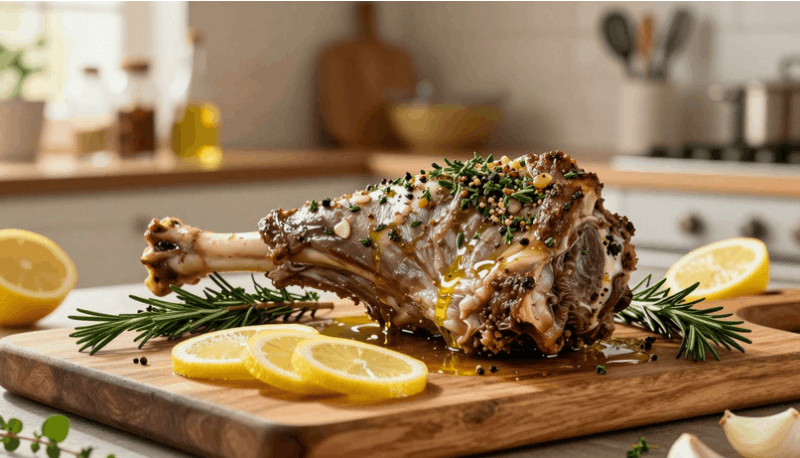
- Tougher cuts (leg of lamb, shoulder): 4 to 8 hours
Lamb has a distinctive flavor that pairs well with bold marinades. The marination time depends on the cut and your flavor goals. Tender cuts need just enough time to impart flavor, while tougher cuts benefit from longer marination to help tenderize the meat.
Quick Reference: Meat Marinating Times
| Type of Meat | Cut | Minimum Time | Maximum Time |
| Chicken | Whole | 4 hours | 12 hours |
| Chicken | Bone-in pieces | 2 hours | 6 hours |
| Chicken | Boneless pieces | 30 minutes | 2 hours |
| Beef | Tender cuts | 30 minutes | 2 hours |
| Beef | Tougher cuts | 4 hours | 8 hours |
| Beef | Very tough cuts | 8 hours | 24 hours |
| Pork | Tender cuts | 30 minutes | 3 hours |
| Pork | Tougher cuts | 4 hours | 12 hours |
| Seafood | Fish fillets | 15 minutes | 30 minutes |
| Seafood | Shrimp/Scallops | 15 minutes | 20 minutes |
| Seafood | Whole fish | 30 minutes | 1 hour |
| Lamb | Tender cuts | 1 hour | 4 hours |
| Lamb | Tougher cuts | 4 hours | 8 hours |
Types of Marinades and Their Effects

Different types of marinades affect meat in unique ways. Understanding these differences helps you choose the right marinade for your desired outcome.
Acidic Marinades
Acidic marinades contain ingredients like vinegar, wine, citrus juices, or tomatoes. These acids break down protein structures, effectively "pre-cooking" the meat. While this tenderizes the meat, too much acid or too long a marination can make the meat mushy or tough.
For acidic marinades, follow the lower end of the recommended marinating times to prevent the meat from becoming mushy, especially with delicate proteins like fish and chicken.
Enzymatic Marinades
Enzymatic marinades contain ingredients with natural tenderizing enzymes, such as pineapple, papaya, kiwi, and mango. These enzymes (bromelain in pineapple, papain in papaya) break down proteins very efficiently—sometimes too efficiently. Marinating times should be shorter with enzymatic marinades to avoid over-tenderizing.
Dairy-Based Marinades
Marinades containing yogurt, buttermilk, or sour cream use lactic acid to tenderize meat gently. The proteins in dairy products also help protect the meat from drying out during cooking. These marinades work well for longer marination periods without the risk of making meat mushy.
Master the Art of Marination
Join our cooking newsletter for weekly tips, recipes, and techniques to elevate your cooking skills.
Subscribe NowThe Dangers of Over-Marinating

Over-marinating is a common mistake that can ruin even the highest quality cuts of meat. When meat sits in a marinade for too long, several problems can occur:
Texture Problems
- Mushy exterior as proteins break down too much
- Mealy texture throughout the meat
- Dry, tough results after cooking
Flavor Issues
- Overpowering marinade flavor masks the meat's natural taste
- Excessive acidity creates an unpleasant sour taste
- Bitter flavors can develop in some marinades over time
The key to successful marination is finding the sweet spot where flavor has penetrated the meat but the texture remains intact. This is why following recommended marinating times is so important for each specific type of meat.
Best Practices for Marinating Meat

Container Selection
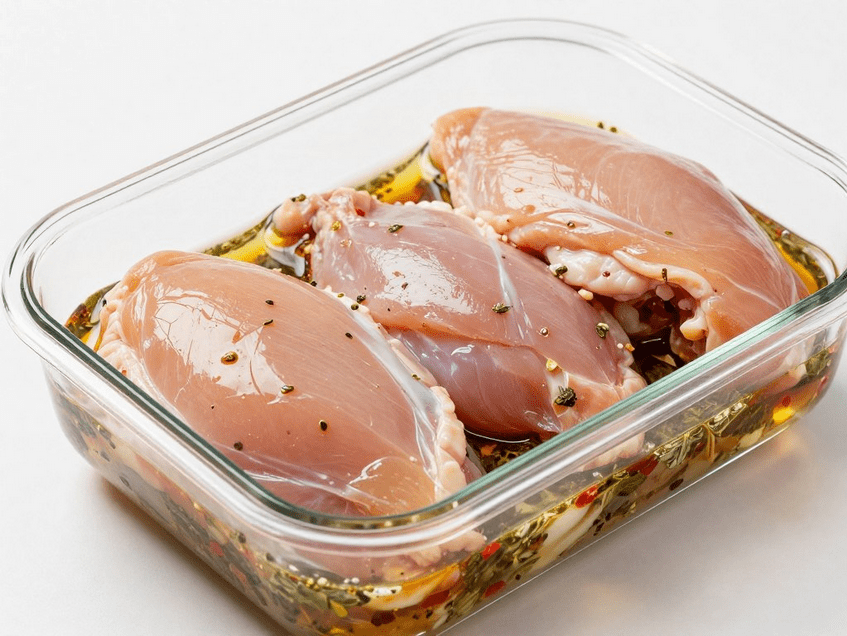
Always use non-reactive containers for marinating meat. Glass, food-grade plastic, or stainless steel containers are ideal. Avoid aluminum, copper, or cast iron, which can react with acidic ingredients and affect both the flavor of your food and the container itself. Resealable plastic bags are convenient as they allow the marinade to surround the meat completely.
Food Safety
- Always marinate meat in the refrigerator, never at room temperature
- Store marinating meat on the bottom shelf to prevent cross-contamination
- Never reuse marinade that has contacted raw meat unless it's boiled for at least 3 minutes
- If you want to use marinade as a sauce, reserve a portion before adding the meat
Marinade-to-Meat Ratio
Use approximately ½ cup of marinade per pound of meat. The meat should be mostly covered by the marinade for even flavor distribution. For larger cuts, turn the meat occasionally during marination to ensure all surfaces are exposed to the marinade.
For maximum flavor penetration, score thicker cuts of meat with shallow cuts in a crosshatch pattern before marinating. This creates more surface area for the marinade to work on.
Can You Freeze Marinated Meat?

Freezing marinated meat is a great way to prep meals ahead of time and extend shelf life. Here's how to do it properly:
- Combine the meat and marinade in a freezer-safe container or zip-top bag
- Remove as much air as possible before sealing to prevent freezer burn
- Label the container with the contents and date
- Freeze for up to 3 months for best quality
When you're ready to use the meat, thaw it completely in the refrigerator. The marination process will continue as the meat thaws, infusing it with flavor. This method is particularly useful for busy weeknights—just transfer from freezer to refrigerator in the morning for dinner that evening.
Never refreeze previously frozen marinated meat. Once thawed, it should be cooked promptly for food safety reasons.
Frequently Asked Questions About Marinating Meat
Can I reuse marinade after it's been in contact with raw meat?
No, you should never reuse marinade that has been in contact with raw meat unless you boil it for at least 3 minutes to kill any harmful bacteria. For safety, it's best to reserve a portion of the marinade before adding meat if you plan to use it as a sauce later.
Should I rinse marinade off meat before cooking?
Generally, you don't need to rinse marinade off before cooking. However, patting the meat dry with paper towels is recommended, especially if you want to achieve a good sear. Excess marinade can cause steaming rather than browning and may burn due to sugar content.
Can I marinate frozen meat?
It's best to thaw meat before marinating for optimal flavor absorption. Frozen meat cannot effectively absorb marinade. If you're short on time, you can combine meat and marinade before freezing, so the meat marinates as it thaws in the refrigerator.
How can I tell if marinated meat has gone bad?
Look for signs of spoilage such as a slimy texture, off odors, or unusual discoloration not caused by the marinade. If you've marinated meat beyond the recommended time and notice these signs, it's safest to discard it rather than risk foodborne illness.

Mastering the Art of Marination
Marinating meat is a simple technique that can dramatically improve your cooking when done correctly. By understanding the science behind marination and following the recommended timing guidelines for each type of meat, you'll achieve consistently delicious results. Remember that more isn't always better—marinate just long enough to enhance flavor and tenderness without compromising texture.
Whether you're preparing a quick weeknight dinner or planning a special occasion meal, these marination principles will help you get the most out of your meat. Experiment with different marinade recipes and timing to discover your personal preferences, but always stay within the safe ranges we've outlined to ensure food safety and optimal texture.
Become a Better Cook Today
Join thousands of home cooks receiving our weekly newsletter with tested recipes, cooking techniques, and exclusive content.
Sign Up For Free
DISCLAIMER
This document is provided for general information purposes only and should not be relied upon as providing legal advice, technical, or specific operational guidance to the reader, whether as to the practices described in the document or the applicable legal requirements and regulations. outdoorgrillguide.com expressly disclaims any responsibility for liability arising from or related to the use or misuse of any information in this document.