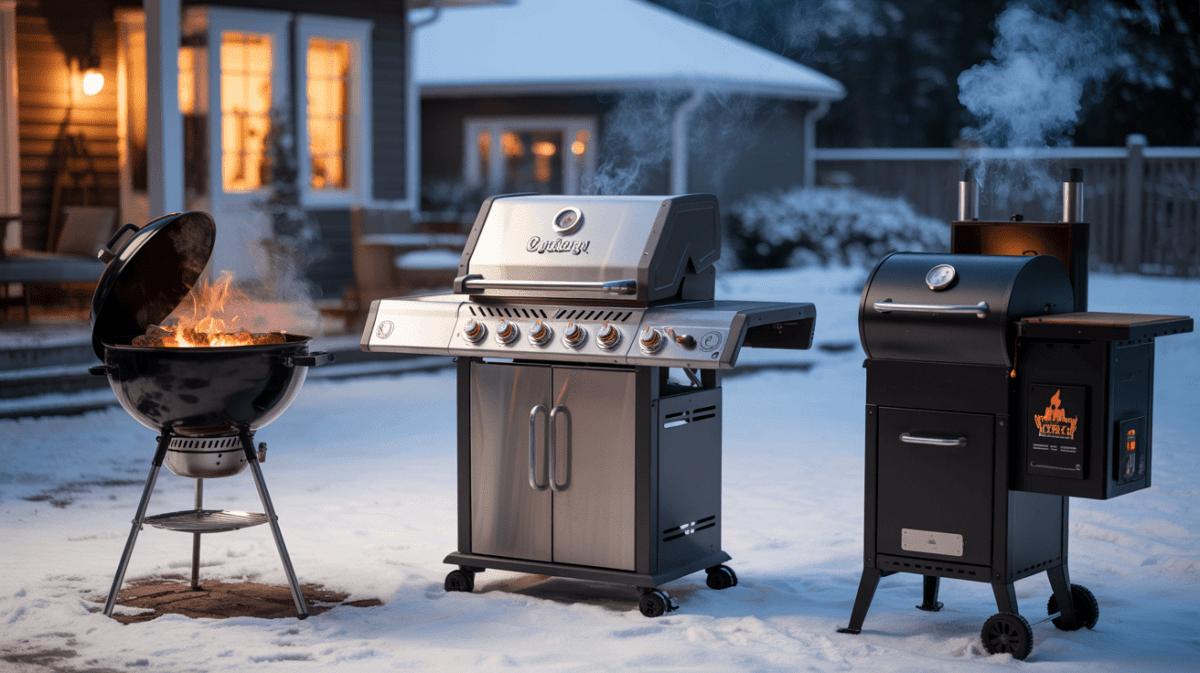
Charcoal vs Gas vs Pellet Grills in Winter: Which Performs Best?

As temperatures drop, grilling becomes more difficult. You have to manage the temperature, use more fuel, and stay safe. The right grill is key to making tasty food. Reliability is key when it's cold, according to experts at American Made Grills.
Grilling in winter requires a grill that can withstand the cold. The debate is about which type—charcoal, gas, or pellet grills—works best in cold weather. Knowing what each grill does well is important for a great grilling time.
Key Takeaways
- Reliability is crucial for grilling in cold weather.
- Different grill types perform differently in winter.
- Understanding the strengths and weaknesses of each grill type is essential.
- Temperature regulation is a significant challenge in winter grilling.
- Choosing the right grill can ensure a successful grilling experience.
The Challenges of Winter Grilling
Winter grilling comes with its own set of challenges. These include managing temperature and staying safe. Cold air, shorter days, and unpredictable weather make it tough for grill lovers.
Temperature Regulation in Freezing Conditions
Keeping the temperature steady is key to grilling success. But in cold conditions, grills struggle to retain heat. This makes it tough to get the right temperature.
Increased Fuel Consumption
Grilling in cold weather requires more fuel. Grills must work harder to maintain the correct temperature.
Wind and Moisture Impacts
Wind and moisture can really affect how well a grill works in winter. Here's a comparison of different grills:
| Grill Type | Wind Resistance | Moisture Impact |
|---|---|---|
| Charcoal | Low | High |
| Gas | Medium | Medium |
| Pellet | High | Low |
Safety Considerations
As American Made Grills points out, winter grilling needs extra safety steps. This is because of slippery surfaces and poor visibility.
"Grilling in the winter requires a different mindset and preparation than grilling in the summer. It's essential to consider the challenges posed by cold weather and take necessary precautions to ensure a safe and enjoyable grilling experience."
Charcoal Grills in Cold Weather

Charcoal grills are loved for their smoky taste, perfect for winter cooking. They bring a special flavor that many grill lovers enjoy, even when it's cold.
Heat Retention and Insulation Properties
Charcoal grills retain heat well due to their thick walls and lids. But in very cold weather, they might struggle.
Key factors affecting heat retention include:
- Grill material and thickness
- Lid and vent design
- Charcoal quality and quantity
Startup Challenges Below Freezing
Starting a charcoal grill in cold weather is challenging because it is difficult to ignite the charcoal. Using the right ignition methods and high-quality charcoal can help.
Charcoal Consumption Rates in Winter
In winter, charcoal grills require more charcoal to maintain heat. This can make grilling more expensive and less efficient.
| Grill Type | Charcoal Consumption | Temperature Control |
|---|---|---|
| Charcoal Grill | Higher in winter | More challenging |
| Gas Grill | N/A | Easier |
| Pellet Grill | Moderate | Precise |
Temperature Control Techniques
To control temperature in charcoal grills in winter, adjust vents and charcoal arrangement. Also, keep a close eye on the temperature.
Winter-Specific Advantages and Limitations
Charcoal grills provide a unique taste and cooking experience in winter. But they need more effort to manage. Knowing their pros and cons is key to the best results.
Gas Grills: Winter Performance Analysis

Using gas grills in winter has its perks. They light up fast, and you can control the heat easily. This makes them a favorite among grill lovers, even when it's chilly.
Propane vs Natural Gas in Cold Temperatures
When it comes to grilling in the cold, propane and natural gas have different strengths. Propane performs better in cold conditions because it vaporizes at a lower temperature than natural gas.
Preheating Requirements and Heat Loss
Gas grills heat quickly, but cold weather can slow the heating process. To retain heat, ensure your grill is well-insulated.
BTU Output in Winter Conditions
The BTU output of a gas grill doesn't change, but cold weather can affect how much heat it actually produces. This depends on the outside temperature and wind.
| Feature | Propane Gas Grill | Natural Gas Grill |
|---|---|---|
| Ignition Reliability | High | Moderate |
| Preheating Time | 5-7 minutes | 6-8 minutes |
| BTU Output in Cold | Consistent | Variable |
Ignition Reliability When Cold
Gas grills are known for their reliable ignition systems. In cold conditions, electronic ignitions perform better than manual ones.
Winter-Specific Advantages and Limitations
Gas grills are great for winter grilling because they're easy to use and heat up fast. But they can freeze in extreme cold and might not be as efficient.
Pellet Grills for Cold-Weather Cooking
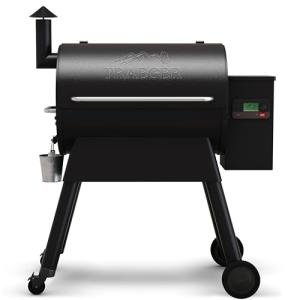
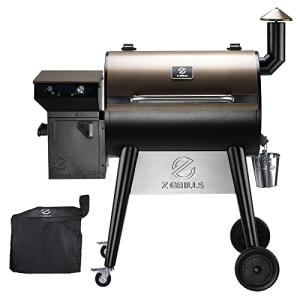
Pellet grills are great for grilling in cold weather. They offer a mix of convenience and wood-fired flavor. They are easy to use and maintain a steady temperature, even in freezing conditions.
Electronic Components and Cold Weather Functionality
Pellet grills use electronics to control the pellets and temperature. They work well in cold, with some models good down to -20°F. But, very cold weather can slow them down or make them less efficient.
Pellet Moisture Issues in Winter
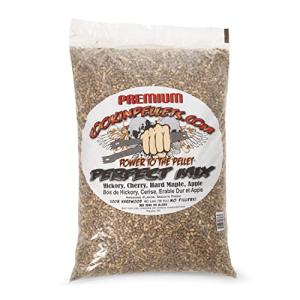
Moisture can be a problem for pellet grills in winter. Wet pellets are hard to light and don't burn well. Keeping pellets dry is key to good grill performance.
Temperature Regulation and Smart Controls
Pellet grills are known for their temperature control. They have smart controls for precise temperature adjustments. This is very helpful in winter to maintain a steady temperature.
Power Requirements and Considerations
Pellet grills need electricity to work. This can be a problem in winter if the power goes out. It's important to have a reliable power source, and some might want a backup for longer grilling sessions.
Winter-Specific Advantages and Limitations
Pellet grills are great for winter grilling. They offer consistent temperatures and a smoky flavor. But, they can have issues with wet pellets and need electricity. Still, they are a great choice for winter grilling fans.
| Feature | Performance in Winter |
|---|---|
| Temperature Control | Excellent, with advanced smart controls |
| Pellet Quality | Can be affected by moisture absorption |
| Power Requirements | Reliant on electricity, potential for outages |
| Flavor Profile | Rich, smoky flavor maintained in cold weather |
Charcoal vs Gas vs Pellet Grills in Winter: Which Performs Best?
In winter, grills perform differently. It's key to know how charcoal, gas, and pellet grills compare. This knowledge helps grill lovers get ready for cold-weather grilling.
Comparative Startup Times in Sub-Freezing Temperatures
Starting a grill in cold weather is tough. Gas grills start up fast. Charcoal grills take longer and need more effort. Pellet grills use electronic ignition and start up in between.
Heat Retention and Temperature Stability
Charcoal grills retain heat well due to their thick construction. Gas grills heat up quickly, but can lose temperature in the wind. Pellet grills maintain temperature well with their digital controls.
Fuel Efficiency and Operating Costs
Gas grills use fuel more efficiently than charcoal grills, thanks to propane. Pellet grills fall in the middle, depending on pellet quality.
Flavor Profile Differences in Cold Weather
Cold weather changes how grilled food tastes. Charcoal grills give a smoky flavor. Gas grills offer a cleaner taste. Pellet grills can change flavor depending on the pellets used.
Convenience and Usability Factors
Gas grills are the easiest to use, with simple ignition and control. Charcoal grills need more work. Pellet grills strike a balance, needing occasional pellet refills.
The best winter grill depends on your priorities. The Hybrid Grill Series is great for all seasons. It lets you use different fuels.
Real-World Winter Grilling Performance
Winter grilling is tough. It's important to see how grills do in real cold weather. This helps those who still grill outside in the cold.
Temperature Tests in Below-Freezing Conditions
When it's really cold, grills face a big test. Charcoal grills need more time and fuel to stay hot. Gas grills may not heat as well due to the cold.
Pellet grills, including their electronic components, can struggle in cold weather. This might make it hard to control the temperature.
Recovery Time After Lid Opening
How quickly a grill heats up again is key, especially in cold conditions. A study found that preheating slightly longer and using windbreaks are effective. Keeping the lid closed also retains heat.
User Experiences and Expert Opinions
Grill users and experts say it's all about adjusting to the cold. "Using a grill cover and keeping it in a sheltered spot can really help," says a grilling pro.
Regional Considerations for Different Winter Climates
Winter weather varies a lot around the world. Looking at how grills perform in different places can be very helpful.
| Grill Type | Preheating Time in Cold Weather | Fuel Efficiency |
|---|---|---|
| Charcoal | Longer preheating required | More fuel consumption |
| Gas | Moderate preheating time | BTU output affected by cold |
| Pellet | Electronic components may be affected | Pellet moisture can be an issue |
By examining how grills perform in cold conditions, grill lovers can make better choices. This ensures they can grill outside, even when it's freezing.
Conclusion: Choosing the Right Winter Grill
Choosing the right grill for winter grilling is crucial. Grills made in America, like American Made Grills, stand out for their quality. They perform well in cold weather.
Charcoal, gas, and pellet grills each have strengths and weaknesses in winter. Knowing these differences helps you pick the best grill for your needs. Whether you want to keep heat, save fuel, or enjoy ease of use, there's a grill for you.
When selecting a grill for winter, consider temperature control, startup time, and fuel efficiency. This way, you can enjoy great grilled meals all winter. With the right grill, you can continue enjoying outdoor cooking even in cold weather.
FAQ
Q: What are the main challenges of grilling in winter?
A: Grilling in winter faces several challenges. These include managing temperature, using more fuel, and dealing with wind and moisture. Safety is also a big concern.
Q: How do charcoal grills perform in cold weather?
A: Charcoal grills are great for winter grilling. They offer a unique flavor. But they need careful handling to work well. This includes retaining heat, managing insulation, and addressing startup issues and fuel consumption.
Q: What are the advantages of gas grills in winter?
A: Gas grills are easy to use and consistent. They're perfect for winter. They heat up fast, light easily, and control temperature well.
Q: How do pellet grills perform in cold weather?
A: Pellet grills mix flavor with convenience, making them great for winter. However, cold weather can affect their electronic components, pellet moisture, and power requirements.
Q: Which type of grill performs best in winter?
A: The best grill for winter depends on what you want. Charcoal, gas, and pellet grills each have their own strengths and weaknesses. Consider factors such as startup time, heat retention, fuel efficiency, flavor, and convenience.
Q: What are the key considerations for choosing a winter-friendly grill?
A: When picking a grill for winter, think about heat retention, fuel use, and temperature control. Also, consider safety features and how well the grill works in cold, windy weather.
Q: How can I optimize my grill's performance in cold weather?
A: To get the most out of your grill in cold weather, try preheating, managing fuel, and controlling temperature. Also, protect your grill from wind and moisture.
Q: Are there any specific grilling techniques for winter?
A: Yes, winter grilling needs special techniques. Use lower heat for longer, manage moisture, and keep food safe in the cold.
Q: Can I use my grill in extreme cold weather?
A: Most grills work in cold weather, but extreme cold can be a problem. Always check your grill's specs and follow the manufacturer's guidelines for very low temperatures.
Q: How do I maintain my grill during the winter months?
A: To keep your grill in good shape during winter, clean and inspect it often. Please protect it from harsh weather and do routine maintenance. Check for worn or damaged parts.
DISCLAIMER
This document is provided for general information purposes only and should not be relied upon as providing legal advice, technical, or specific operational guidance to the reader, whether as to the practices described in the document or the applicable legal requirements and regulations. outdoorgrillguide.com expressly disclaims any responsibility for liability arising from or related to the use or misuse of any information in this document.