Winter Grilling 101: How to BBQ in Cold Weather Without Losing Heat

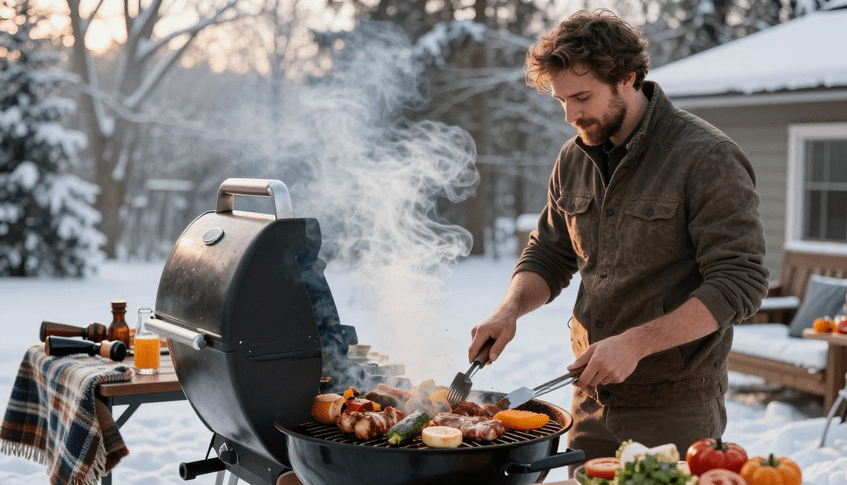
Grilling in the cold weather can be a unique and flavorful experience. It offers a twist on traditional barbecue. Adapting techniques can make all the difference.
Understanding the effects of cold weather on grilling is key. Cold temperatures can make it hard to keep your grill at a steady heat. But, with the right strategies, you can enjoy delicious BBQ all year.
To start with cold weather grilling, adjusting your grilling techniques is vital. This includes preheating your grill right, using the correct fuel, and watching the meat's temperature. With these adjustments, you can grill perfectly, even in the cold.
The Challenges of Cold-Weather Grilling
Winter's chill can make grilling tough. It's important to know how to handle it. You need to take extra steps to keep your grill working well and stay safe.
How Cold Affects Your Grill's Performance
Cold air causes grills to lose heat quickly. This makes it hard to control the temperature. Wind can worsen conditions, causing temperature swings.
Preheating your grill for a longer period can help a bit.
Safety Considerations for Winter BBQ
Grilling in the cold needs extra care. Make sure you have proper ventilation to avoid carbon monoxide buildup. Also, watch out for icy or slippery areas around the grill to avoid slips and falls.
Winter Grilling 101: How to BBQ in Cold Weather Without Losing Heat

When it gets cold, grilling becomes a new challenge. You need to learn how to BBQ in the cold without losing heat. With the right tips, you can grill delicious meals even when it's freezing.
Preparing Your Grill for Winter Use
Before you start grilling in the cold, prepare your grill for winter. This means taking a few important steps to keep your grill working well in cold weather.
Proper Grill Positioning
Place your grill in a location protected from wind and snow. Find a spot that's somewhat shielded from the elements to keep the temperature steady. This small change can greatly improve your grilling.
Fuel Considerations for Cold Weather
Cold weather can change how your grill's fuel works. For gas grills, make sure your propane tank is full. Use a propane tank thermometer to check the tank's temperature and pressure. For charcoal grills, pick high-quality charcoal that burns well in the cold.
Essential Heat Retention Techniques
Keeping heat in is essential when grilling in cold weather. There are ways to keep your grill temperature steady, so your food cooks perfectly.
Using Wind Barriers
Wind can take heat away from your grill. Use a wind barrier, such as a screen or wall, to reduce heat loss. This simple trick can greatly improve your grilling.
Insulating Your Grill
Insulating your grill helps retain heat. Use grill insulation blankets or DIY methods to insulate. This is very helpful for gas grills, as it keeps the temperature inside steady.
Lid Management Strategies
Managing your grill lid is important for retaining heat. Keep the lid closed as much as possible to maintain a steady temperature. Opening the lid lets heat out, making it harder to cook evenly.
Adjusting Cooking Times and Temperatures
Cold weather changes how your grill works and how long it takes to cook. Adjust your cooking times and temperatures to cook your food right. You might need to cook longer or at a higher temperature to deal with the cold.
Essential Tools for Winter Grilling Success
Having the right tools makes winter grilling easier. You'll need a grill thermometer to check the grill's temperature, a meat thermometer to make sure your food is safe to eat, and heat-resistant gloves to protect your hands from the cold and heat.
By following these tips, you can have great winter grilling experiences. Whether you're experienced or new to grilling, mastering these strategies will help you grill like a pro even in the coldest weather.
"The art of grilling is not just about the food; it's about the experience. And with the right techniques, you can enjoy that experience year-round."
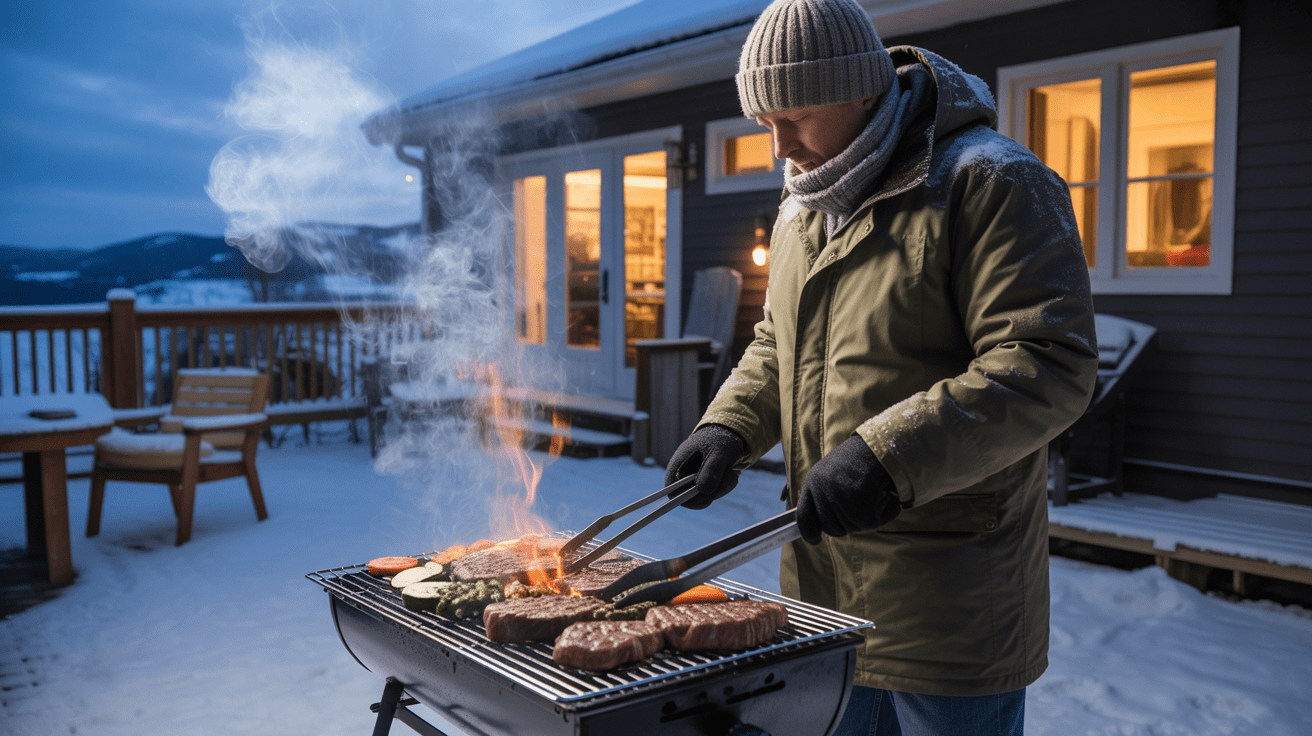
Mastering Winter Grilling: Essential Tips for Success
Winter grilling can be a delightful experience with the right techniques and tools. By applying winter grilling hacks and understanding how to bbq in freezing temperatures, you can enjoy delicious BBQ all year round.
To achieve success, it's important to be prepared. You'll need winter grilling essentials like a reliable grill thermometer and heat retention accessories. Also, adjust your cooking times and temperatures for the cold weather.
By following the tips in this article, you'll become a proficient winter griller. Whether you're a seasoned BBQ enthusiast or just starting out, success comes from preparation and the right techniques.
FAQ
What are the biggest challenges of grilling in cold weather?
Grilling in cold weather can be tough. It's hard to keep the heat up, and wind makes it even harder. Plus, safety is a big concern.
How can I prepare my grill for winter grilling?
To get your grill ready for winter, first check if it's working well. Place it in a spot that's protected from wind. Make sure you have enough fuel and choose a grill that holds heat well.
What are some essential heat retention techniques for winter grilling?
Keeping heat in is key for winter grilling. Use wind barriers and insulate your grill. Also, manage your grill lid to keep the heat in.
How do I adjust cooking times and temperatures for winter grilling?
When it's cold, cooking times and temperatures change. You might need to cook longer and at higher temperatures. This helps food cook right in the cold.
What are some essential tools for winter grilling success?
For winter grilling, you'll need a few tools. A thermometer helps keep the grill at the right temperature. A grill brush and tongs ensure food cooks evenly. And a windscreen or grill mat keeps you warm.
Can I use my gas grill in extremely cold temperatures?
Yes, you can use a gas grill in very cold weather. Just make sure it's set up right. Check your manual and use a grill with a cold-weather regulator.
How can I ensure safety while grilling in cold weather?
Grilling in the cold needs safety first. Always use good ventilation and don't grill in tight spaces. Keep a fire extinguisher close by. And watch out for icy or slippery areas around your grill.
DISCLAIMER
This document is provided for general information purposes only and should not be relied upon as providing legal advice, technical, or specific operational guidance to the reader, whether as to the practices described in the document or the applicable legal requirements and regulations. outdoorgrillguide.com expressly disclaims any responsibility for liability arising from or related to the use or misuse of any information in this document.