How to Grill a Whole Leg of Lamb

Grilling a whole leg of lamb is a truly impressive culinary experience. It's perfect for special occasions or a unique meal. With the right techniques, we can make a tender, flavorful dish. This dish will surely impress our guests.
To successfully grill a whole leg of lamb, we must focus on preparation and cooking. We need to pick the right cut of lamb, make a delicious marinade, and master grilling.
Key Takeaways
- Choose the right cut of lamb for grilling
- Prepare a flavorful marinade to enhance the lamb's natural flavor
- Master the grilling process to achieve a tender and juicy final product
- Pay attention to cooking times and temperatures to ensure food safety
- Let the lamb rest before carving to allow the juices to redistribute
Selecting and Preparing Your Leg of Lamb
https://www.youtube.com/watch?v=B6A5YFR3kGQ
Grilling a whole leg of lamb needs careful selection and prep for the best flavor and texture. We look at what makes a grilled lamb leg great.
Choosing the Right Cut and Size
For grilling a leg of lamb, the cut and size matter a lot. A bigger leg feeds more but takes longer to cook. Legs can be 5 to 8 pounds.
A 5-pound leg is good for small groups, while bigger groups need a larger cut. Also, the lamb's source affects its taste. Grass-fed lamb tastes stronger than grain-fed.
Bone-In vs. Boneless: Which Works Best for Grilling
The choice between bone-in and boneless leg of lamb is key for grilling. Bone-in lamb keeps more moisture and tastes better. The bone helps cook the meat evenly.
For BBQ leg of lamb, bone-in is best for flavor and looks. But, it's up to you and your event's needs.
Trimming Excess Fat and Preparing the Surface
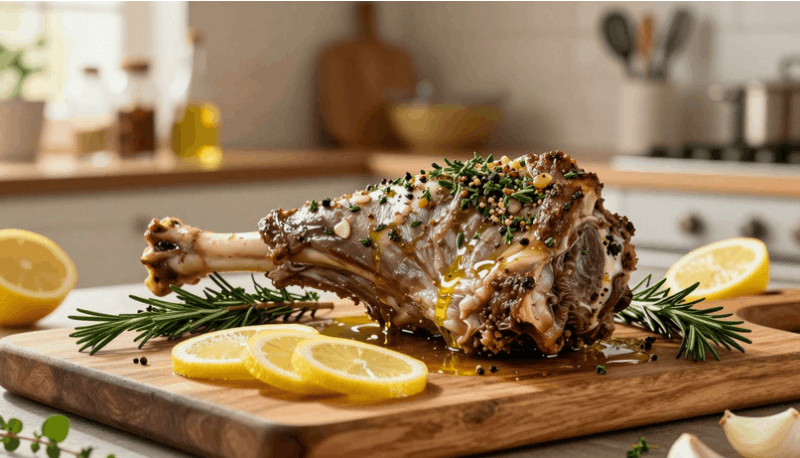
Before cooking lamb on the grill, trim off extra fat. Too much fat can cause flare-ups and uneven charring. A thin layer of fat adds flavor and keeps the meat moist.
Score the lamb in a diamond pattern to help marinade penetrate and look better. Then, dry the surface with paper towels for even browning on the grill.
By choosing and preparing your leg of lamb well, you're on your way to a delicious grilled dish. Whether you're experienced or new, these steps will help your lamb leg on the grill turn out great.
Marinating Your Lamb Leg for Maximum Flavor

Marinating your lamb leg is key to a delicious grilled dish. It's not just about adding flavor. It's about creating a memorable experience for your guests.
Building a Flavorful Marinade Base
A good marinade starts with a solid base. This includes oil, acid, and seasonings. Olive oil is best because it complements lamb's rich flavor.
Add garlic, onion, and herbs like rosemary to enhance the flavor. Make sure the flavors are balanced so none overpower the others.
Best Herbs and Spices for Lamb
Certain herbs and spices are perfect for lamb. Rosemary and thyme offer a classic flavor. Oregano, paprika, and cumin add a unique twist.
- Rosemary: Provides a piney flavor that complements lamb.
- Thyme: Adds a slightly minty and earthy tone.
- Garlic: Essential for adding depth and a savory flavor.
- Paprika: Contributes a smoky sweetness.
Proper Marinating Time and Temperature
The marinating time affects the lamb's flavor. Longer marinating means more flavor, but be careful not to overdo it. Too long can make the meat mushy.
Marinate for 2 to 4 hours for most lamb legs. Overnight marinating (8-12 hours) can enhance flavors even more. Always marinate at 40°F (4°C) or below.
Dry Rubs as an Alternative to Wet Marinades
Dry rubs are a great alternative to wet marinades. They're a mix of spices, herbs, and sugar rubbed onto the lamb. This method creates a flavorful crust.
"A dry rub can be as simple as a mixture of salt, pepper, and your choice of herbs. It's a great way to add flavor without the need for a liquid marinade."
Dry rubs are perfect for a nice sear. Apply them just before grilling or a few hours in advance for better flavor penetration.
Setting Up Your Grill for Optimal Results

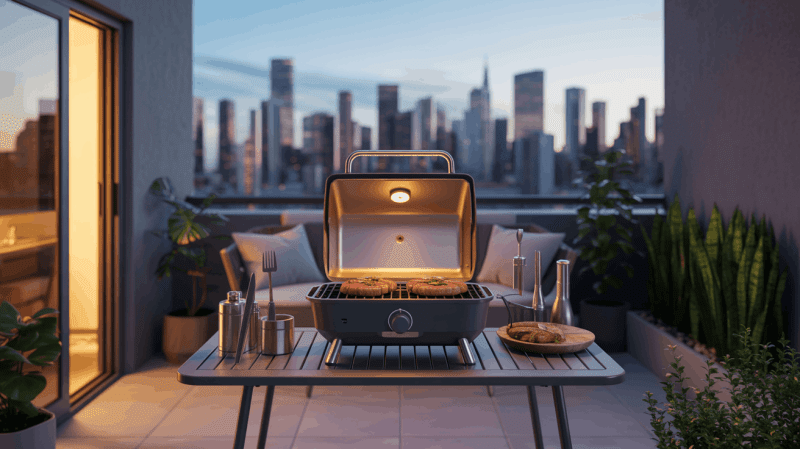
Before grilling your lamb leg, prepare your grill well. A good grill setup is key for a tasty and tender leg of lamb.
Gas vs. Charcoal: Pros and Cons for Lamb
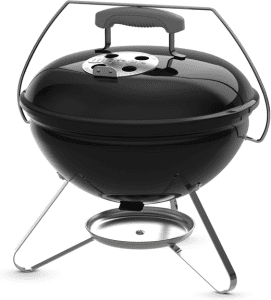
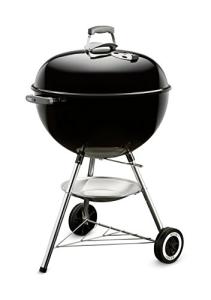
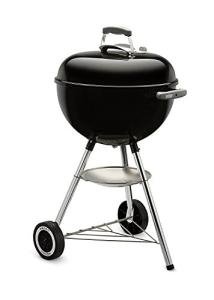
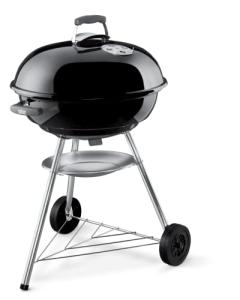
Choosing between gas and charcoal grills affects your lamb's taste and texture. Gas grills are easy to use and control, perfect for a consistent cook. Charcoal grills, on the other hand, give a smoky flavor that many love.
| Grill Type | Pros | Cons |
|---|---|---|
| Gas Grill | Easy to control temperature, quick to heat up | Lacks smoky flavor, can be less authentic |
| Charcoal Grill | Rich, smoky flavor, can achieve high heat for searing | More difficult to control temperature, requires more effort |
Creating a Two-Zone Cooking Area
A two-zone cooking area is key for grilling a whole leg of lamb. It lets you sear the lamb over high heat and then finish it in a cooler zone. This prevents burning. To set up, turn on half your burners on a gas grill or pile charcoal on one side of a charcoal grill.
Reaching and Maintaining the Right Temperature
It's important to keep the right temperature for your lamb leg. For medium-rare, aim for 145°F (63°C). Use a meat thermometer to check the temperature and adjust the grill's heat as needed.
Adding Wood Chips for Smoky Flavor
To add smoky flavor, use wood chips. Soak them in water for 30 minutes before grilling. Then, place them on the grill to smolder. Good woods for smoking lamb include apple, cherry, and mesquite.
By following these tips, you'll grill a delicious lamb leg that will wow your guests. Whether you use gas or charcoal, focus on a flavorful crust and a juicy inside.
How to Grill a Whole Leg of Lamb: Step-by-Step Cooking Process

Grilling a whole leg of lamb is easier than you think. It needs some care and patience, but the taste is amazing.
Step 1: Bringing the Lamb to Room Temperature
First, let the lamb warm up to room temperature. This helps it cook evenly. Take it out of the fridge and let it sit for 1-2 hours before grilling.
Step 2: Searing All Sides Over Direct Heat
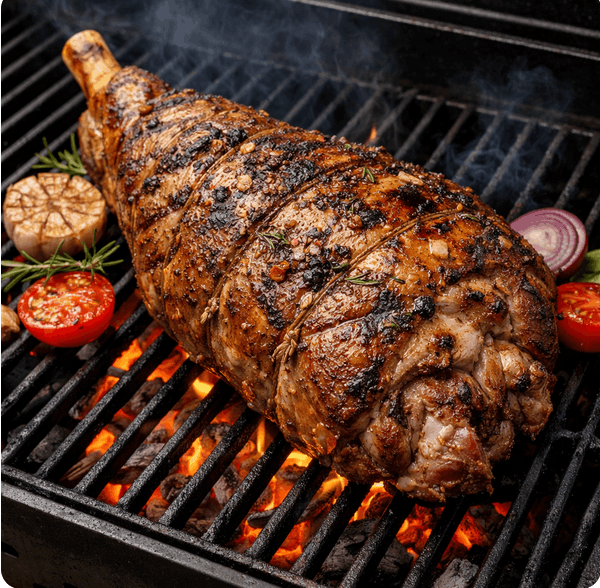
Heat your grill to high. Sear the lamb on all sides to get a tasty crust. It takes about 5-7 minutes per side. Use tongs to turn it and get even browning.
Step 3: Moving to Indirect Heat for Even Cooking
After searing, move the lamb to indirect heat. This prevents burning the outside while cooking the inside. Close the grill to keep the heat in.
Step 4: Monitoring Internal Temperature with a Meat Thermometer
Check the lamb's internal temperature with a meat thermometer. For medium-rare, it should be 145°F (63°C). Put the thermometer in the thickest part, away from bones or fat.
Step 5: Resting the Meat Before Carving
When the lamb is cooked, take it off the grill. Cover it with foil and let it rest for 15-20 minutes. This makes the lamb tender and juicy.
By following these steps, you'll get a deliciously grilled leg of lamb. Just remember to be patient and watch it closely for the best results.
Serving Your Grilled Lamb Leg

Serving your grilled lamb leg is an art that starts with proper carving. The way you present your dish can make the dining experience better. It makes it more enjoyable for your guests.
Proper Carving Techniques for Beautiful Slices
To carve your lamb leg well, you'll need a sharp knife and a steady hand. Start by slicing against the grain for tender slices. "The key to beautiful slices is to carve when the meat is still slightly warm," says a culinary expert. "It makes the fibers more relaxed and easier to slice."
Use a carving fork to hold the lamb steady. Then, slice it into thin, even pieces.
Complementary Side Dishes and Sauces
Choosing the right side dishes and sauces can enhance your grilled lamb leg's flavors. Grilled asparagus or roasted vegetables are great choices. They add a fresh contrast to the rich lamb.
For sauces, a mint jelly or a tangy tzatziki can boost the lamb's flavor. Mint jelly, in particular, is a classic pairing that works well with lamb.
"A good sauce can make the difference between a good dish and a great one."
Storing and Reheating Leftover Lamb
If you have leftovers, it's key to store them properly. Slice the leftover lamb and store it in an airtight container in the fridge. When reheating, use a low-temperature oven to prevent drying out the meat.
You can also use leftover lamb in sandwiches or salads. This gives you a versatile meal option for the next day.
By following these tips, your grilled lamb leg will remain a highlight of your meal, even as leftovers.
Conclusion
Grilling a whole leg of lamb can be very rewarding. You'll get a best grilled leg of lamb that will wow everyone. This article showed you how to pick and prep the perfect lamb leg, make a tasty marinade, and grill it just right.
A great marinated lamb leg recipe is essential for tender, juicy meat with deep flavor. Whether it's for a summer party or a special event, these tips will make your dish unforgettable. It's sure to delight even the pickiest eaters.
With a bit of practice, you'll master the grilled leg of lamb recipe. Your lamb leg on the grill will be the highlight of any meal. So, get your grill ready, grab your tongs, and start making a memorable meal.
FAQ
Q: What is the best way to grill a whole leg of lamb?
Q: How do I choose the right cut and size of leg of lamb for grilling?
Q: What are the pros and cons of using a bone-in versus boneless leg of lamb?
Q: How do I prepare the surface of the lamb for marinating and grilling?
Q: What are some effective marinade ingredients for lamb?
Q: How long should I marinate my lamb leg?
Q: Can I use a dry rub instead of a wet marinade?
Q: What type of grill is best for cooking a leg of lamb?
Q: How do I achieve a smoky flavor when grilling lamb?
Q: How do I properly carve a grilled lamb leg?
Q: What are some complementary side dishes and sauces that go well with grilled lamb?
Q: How should I store and reheat leftover grilled lamb?
DISCLAIMER
This document is provided for general information purposes only and should not be relied upon as providing legal advice, technical, or specific operational guidance to the reader, whether as to the practices described in the document or the applicable legal requirements and regulations. Out Door Grill Guide.com expressly disclaims any responsibility for liability arising from or related to the use or misuse of any information in this document.