Best Pizza Grills Ideas for Your Backyard (2026 Guide)

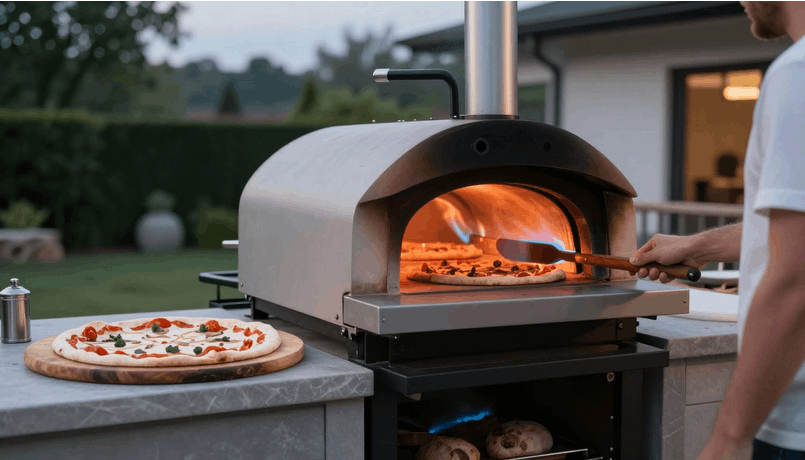
Picture this: It's a warm evening in your backyard. Friends gather around as you slide a perfectly topped pizza into a blazing oven. Within minutes, you're pulling out a bubbling masterpiece with leopard-spotted crust and charred edges that rival any pizzeria. This isn't a fantasy—it's what the best pizza grills can deliver right in your outdoor space.
Backyard pizza grilling has evolved from a niche hobby into a mainstream passion in 2026. Home cooks now have access to outdoor pizza ovens that reach temperatures your kitchen oven can only dream about. We're talking 900°F and higher, the kind of heat that transforms dough into restaurant-quality pies in under two minutes.
What makes outdoor pizza grills special? Unlike your indoor oven that maxes out around 500°F, these purpose-built machines create the intense, consistent heat needed for authentic Neapolitan-style pizza. That crispy bottom, those airy bubbles in the crust, the perfectly melted cheese with slight charring—it all requires the right equipment and setup.
We've spent months testing the top outdoor pizza ovens, making hundreds of pies, and gathering insights from real-world use. This guide breaks down the best pizza grills by use case, fuel type, and budget. Whether you're planning weekly pizza nights, entertaining large groups, or seeking that authentic wood-fired flavor, we'll help you find the perfect match for your backyard.
Our Top Pizza Grill Picks for 2026
Before diving deep into specific scenarios and setups, here's a quick look at our top-rated outdoor pizza ovens across different categories. These picks represent the best balance of performance, value, and user experience based on extensive testing.

Best Overall: Ooni Koda 2 Pro
Dual-burner gas oven with digital controls, 18-inch capacity, reaches 950°F in 20 minutes. Perfect balance of convenience and performance.
- Digital temperature hub included
- Wide 18-inch cooking surface
- Even heat distribution
- Fast preheating time


Premium Choice: Gozney Arc XL
Revolutionary arc flame design for exceptional cooking, 16-inch capacity with built-in digital thermometer. Restaurant results at home.
- Unique rolling flame technology
- Built-in precision thermometer
- Superior heat control
- Stunning design aesthetic


Most Versatile: Ooni Karu 2 Pro
Multi-fuel capability (wood, charcoal, or gas), 16-inch capacity with glass door. For those who want authentic wood-fired flavor with gas convenience.
- Burns wood, charcoal, or gas
- Borosilicate glass door
- Digital temperature gauge
- Tall cooking chamber
Quick-Fire Pizza Grilling: Gas-Powered Convenience

Gas pizza ovens represent the easiest entry point into outdoor pizza cooking. Connect a propane tank, turn a dial, and you're making pizza in under 30 minutes. No wood sourcing, no fire management, no extensive cleanup—just immediate heat and consistent results.
For busy families and weeknight cooks, gas ovens deliver restaurant-quality results without the ceremony. They heat up faster than wood-fired models and maintain steady temperatures throughout your cooking session. That consistency means your first pizza comes out as good as your fifth, perfect when feeding groups.
Why Choose Gas for Your Pizza Grill
Gas pizza ovens excel in situations where convenience matters most. Weeknight dinners, impromptu gatherings, or when you simply want great pizza without elaborate preparation—gas delivers every time. Modern gas ovens reach the same high temperatures as wood-fired units, often hitting 950°F within 20 minutes.
Key Advantages of Gas Pizza Grills
- Heat up in 15-25 minutes versus 40+ for wood
- Precise temperature control via dial adjustment
- No smoke management or ash disposal
- Consistent heat for back-to-back cooking
- Weather-resistant performance
- Lower learning curve for beginners

Featured Pick: Ooni Koda 2 Pro for Ultimate Gas Performance

Ooni Koda 2 Pro: Best Gas Pizza Oven Overall
The Koda 2 Pro represents the pinnacle of gas-powered pizza cooking. Its dual tapered flames create even heat distribution across an expansive 18-inch stone, allowing you to cook larger pies or multiple smaller ones simultaneously. The digital temperature hub takes the guesswork out of preheating, while the tempered glass visor retains heat better than open designs.
What sets this oven apart is its thoughtful design evolution. Foldable legs with non-slip feet provide stability while enabling compact storage. The blue enamel finish adds visual appeal beyond standard stainless steel. Most importantly, it comes nearly fully assembled—attach the legs and connect your propane tank, and you're ready to cook.
Pros
- Large 18-inch cooking capacity
- Digital temperature monitoring
- Dual burner system for even heat
- Quick 20-minute preheat time
- Tempered glass heat retention
- Foldable legs for portability
Cons
- Requires frequent pizza turning
- 66-pound weight limits true portability
Key Specifications
- Fuel Source: Propane gas
- Maximum Temperature: 950°F
- Cooking Surface: 18 inches
- Weight: 66 pounds
- BTU Output: 33,000
- Preheat Time: 20 minutes
- Warranty: 5 years
In our testing, the Koda 2 Pro consistently produced pizzas with crispy bottoms and perfectly charred crusts in 90 seconds to two minutes. The dual flame configuration means you need to rotate pies every 20-30 seconds, but the wide opening makes this easy. For families and regular entertainers who want gas convenience without compromise, this is the outdoor pizza oven to beat.

Alternative Gas Options for Different Needs
While the Koda 2 Pro excels as an all-around champion, other gas pizza ovens serve specific scenarios equally well. Consider these alternatives based on your space, budget, and cooking style.

Budget Pick: Solo Stove Pi Prime
At $450, the Pi Prime delivers impressive performance for less. This 12-inch gas oven heats to over 900°F in just 15 minutes and weighs only 30 pounds for easy repositioning. Perfect for smaller backyards or those testing the pizza oven waters before committing to premium models.
Best for: Budget-conscious buyers, small spaces, beginners
Cooking Surface: 12 inches
Weight: 30 pounds


Entertaining Pick: Ooni Koda 2 Max
For serious entertainers, the Koda 2 Max offers a massive 24-inch cooking surface that fits two 12-inch pizzas simultaneously. Dual independently controlled burners create cooking zones for different styles. At $1,299, it's an investment that pays off when feeding crowds.
Best for: Large gatherings, pizza parties, serious enthusiasts
Cooking Surface: 24 inches (two 12-inch pizzas)
Weight: 95 pounds

Quick Tip: Propane Tank Selection
Most outdoor pizza ovens connect to standard 20-pound propane tanks. For frequent use, consider keeping a backup tank on hand—running out of gas mid-pizza party is no fun. A full tank typically provides 12-15 hours of cooking time, enough for dozens of pizzas.
Wood-Fired Pizza Grilling: Authentic Smokiness

There's something primal and deeply satisfying about cooking with fire. Wood-fired pizza ovens deliver flavors gas simply cannot replicate—that subtle smokiness, the slight char from live flames, the crackling sound of burning wood as your pizza bakes. It's an experience as much as a cooking method.
Wood-burning pizza grills require more attention than their gas counterparts. You'll manage airflow through dampers, feed wood to maintain temperature, and develop an intuition for flame behavior. But for many outdoor cooking enthusiasts, this hands-on approach is exactly the appeal. The ritual of building a fire, the aroma of burning wood, the satisfaction of mastering the craft—these elements transform pizza night into an event.
Understanding Wood-Fired Pizza Cooking
Wood-fired ovens typically take 30-45 minutes to reach optimal cooking temperature, compared to 15-20 for gas. Once hot, they maintain heat beautifully due to their ceramic fiber insulation and thermal mass. The key is learning to read the fire—adjusting the damper for more or less oxygen, adding wood at the right intervals, positioning pizzas to avoid hot spots.

Best Woods for Pizza Ovens
Hardwoods burn hotter and cleaner than softwoods, producing the high heat needed for pizza while adding pleasant smoke notes. Avoid resinous woods like pine that create bitter flavors and excessive soot.
- Oak: Burns hot and long, neutral flavor
- Hickory: Strong smoke, bacon-like aroma
- Maple: Subtle sweetness, even heat
- Cherry: Fruity notes, beautiful color
- Apple: Mild sweet smoke, versatile
- Ash: Clean burn, minimal smoke
Wood-Fired Cooking Tips
- Use seasoned hardwood split into 1-2 inch pieces
- Start with kindling and fire starters, not lighter fluid
- Open damper fully during heat-up phase
- Add small amounts of wood frequently rather than large loads
- Look for clear flames—yellow flames mean insufficient oxygen
- Let coals develop before first pizza for stable heat
- Expect a learning curve of 4-6 cooking sessions
Featured Pick: Ooni Karu 2 Pro Multi-Fuel Mastery

Ooni Karu 2 Pro: Best Multi-Fuel Pizza Oven
The Karu 2 Pro stands as the most versatile outdoor pizza oven available, burning wood, charcoal, or gas with equal proficiency. This flexibility means you can choose your fuel based on time, desired flavor, or simply what you have on hand. Want authentic wood-fired pizza on Saturday but quick gas-powered pies on Wednesday? One oven handles both.
Its design prioritizes heat management. The tall 16-inch opening allows better air circulation than shorter ovens, resulting in more even cooking with less frequent rotation. The borosilicate glass door locks in heat while letting you monitor progress. A built-in digital thermometer eliminates guesswork about when the oven is ready.

When burning wood or charcoal, load fuel through a rear door that keeps the cooking chamber unobstructed. The chimney damper and door provide two adjustment points for temperature control. In our testing, we fed 2-3 pieces of wood every 10-15 minutes to maintain 750-900°F temperatures. Pizzas cooked in three minutes with beautiful char and subtle smokiness.
Pros
- Burns wood, charcoal, or gas
- Tall opening for easier cooking
- Glass door retains heat efficiently
- Digital temperature gauge
- 16-inch cooking capacity
- Excellent heat circulation
- Fold-down legs for storage
Cons
- Gas burner sold separately ($100)
- Learning curve with wood/charcoal
Key Specifications
- Fuel Source: Wood, charcoal, or gas (burner sold separately)
- Maximum Temperature: 950°F
- Cooking Surface: 16 inches
- Weight: 62.6 pounds
- Opening Height: 5.9 inches
- Warranty: 5 years
The Karu 2 Pro appeals to cooks who value both convenience and authenticity. Use gas for quick weeknight pizzas when time is tight. Switch to wood on weekends when you want the full artisanal experience. This versatility makes it ideal for households where different family members have different preferences, or for anyone who wants options without buying multiple ovens.

Budget Wood-Fired Option

Ooni Karu 2: Budget-Friendly Multi-Fuel Excellence
The standard Karu 2 offers the same multi-fuel versatility as its Pro sibling in a more compact, affordable package. At $449, it's nearly half the price while maintaining the core benefits—wood, charcoal, or gas capability, solid construction, and excellent heat retention. The trade-off is a 12-inch cooking surface versus 16 inches, and no digital thermometer.
This smaller size actually becomes an advantage for certain users. It heats faster due to less thermal mass, typically reaching 900°F in 25 minutes versus 35 for the Pro. At 33.6 pounds, it's significantly lighter and easier to move. The included door helps maintain temperature, though you'll need an infrared thermometer to measure stone temperature accurately.
Pros
- Excellent value at $449
- Multi-fuel versatility
- Faster heat-up time
- Lightweight and portable
- Same 5-year warranty
Cons
- Tighter turning space
- Gas burner extra
Best for: Solo cooks, couples, budget-conscious buyers wanting multi-fuel flexibility
Cooking Surface: 12 inches
Weight: 33.6 pounds
Safety Note: Wood-Fired Ovens
Wood-burning pizza ovens produce open flames and extremely high temperatures. Always use on non-flammable surfaces, maintain proper clearance from structures (check manufacturer specifications), and never leave burning ovens unattended. Keep a fire extinguisher nearby and ensure adequate ventilation to prevent smoke buildup.
Premium Pizza Grills: Restaurant-Level Results

For those who take backyard cooking seriously, premium pizza ovens represent the pinnacle of home pizza-making technology. These models incorporate advanced features like precision temperature monitoring, innovative flame designs, and build quality that rivals commercial equipment. Yes, they cost more—but they deliver results that justify the investment.
What separates premium ovens from mid-range options? Superior heat retention, more even cooking, better materials, and thoughtful design details that enhance the cooking experience. Premium models often include features like digital controls, built-in thermometers, and innovative burner configurations that make achieving perfect results easier and more consistent.
Featured Premium Pick: Gozney Arc XL

Gozney Arc XL: Innovation Meets Performance
The Arc XL represents a breakthrough in outdoor pizza oven design. Instead of conventional side or rear burners, it features a unique arc-shaped flame that rolls over the top of the oven, mimicking traditional wood-fired domes. This innovative configuration creates more even heat distribution and allows the flame to kiss the top of pizzas for perfect cheese browning and crust puffing.
In extensive testing, the Arc XL consistently produced the most evenly cooked pizzas with the least effort. While other ovens require rotating every 20-30 seconds to prevent burning, the Arc's flame design extends that interval to 45-60 seconds. The wider cooking area—over 300 square inches—provides room to move pizzas away from direct flame if needed, giving you greater control.

The built-in digital thermometer eliminates the need for a separate infrared gun, displaying exact stone temperature at a glance. A precision metal tool lets you adjust the stone position by millimeters for perfect alignment. These details demonstrate Gozney's commitment to the craft—this oven was designed by people who understand pizza at a deep level.
Pros
- Revolutionary arc flame design
- Most even cooking in our tests
- Built-in digital thermometer
- Exceptional build quality
- Large 16-inch capacity
- Single burner simplifies control
- Stunning aesthetic design
- Stone adjustment tool included
Cons
- Premium price at $1,000
- Propane-only (no multi-fuel)
- Heavy at 58.5 pounds
- Stand sold separately
Key Specifications
- Fuel Source: Propane gas
- Maximum Temperature: 950°F
- Cooking Surface: 16 inches
- Weight: 58.5 pounds
- Dimensions: 20.9" W x 24.8" D x 13.5" H
- Burner Design: Single arc burner
- Warranty: 5 years
"After months of testing, the Arc XL is the oven I reach for first. The combination of even heat, intuitive controls, and consistently perfect results makes it worth every penny. This is the oven for people who are serious about pizza."
Alternative Premium Options

The premium pizza oven category offers several exceptional choices beyond the Arc XL. Each brings unique strengths worth considering based on your specific needs and cooking style.
Ooni Koda 16: Premium Workhorse

The Koda 16 has been the gold standard in gas pizza ovens since its introduction. While newer models like the Koda 2 Pro add features, this original remains beloved for its simplicity, reliability, and consistent results. The L-shaped burner creates even heat across the 16-inch stone, producing perfectly cooked pizzas in 90 seconds once you learn the rotation pattern.
At $649, it costs $150 less than the Koda 2 Pro while delivering nearly identical cooking performance. The main differences are cosmetic and convenience features—no digital thermometer, no glass visor, slightly less refined aesthetics. For many users, these omissions don't matter. The cooking results speak for themselves.
In our testing, the Koda 16 reached 906°F in 20 minutes and maintained that temperature throughout cooking sessions. Its wide mouth easily accommodates a 12-inch peel for turning, and the substantial weight (40 pounds) provides stability. This is the oven that brought outdoor pizza cooking to the masses, and it remains an excellent choice.
Best for: Those wanting proven performance without newest features, value-conscious premium buyers
Cooking Surface: 16 inches
Weight: 40 pounds
Price: $649
Premium Pizza Oven Investment Guide
When spending $800-$1,200 on a pizza oven, consider total cost of ownership. Premium models typically include better warranties (5 years standard), superior materials that weather better, and more efficient fuel consumption. They also tend to hold resale value better if you upgrade. Calculate cost per pizza over five years—premium ovens often pencil out favorably versus replacing cheaper models.
Portable Pizza Grills for Small Spaces

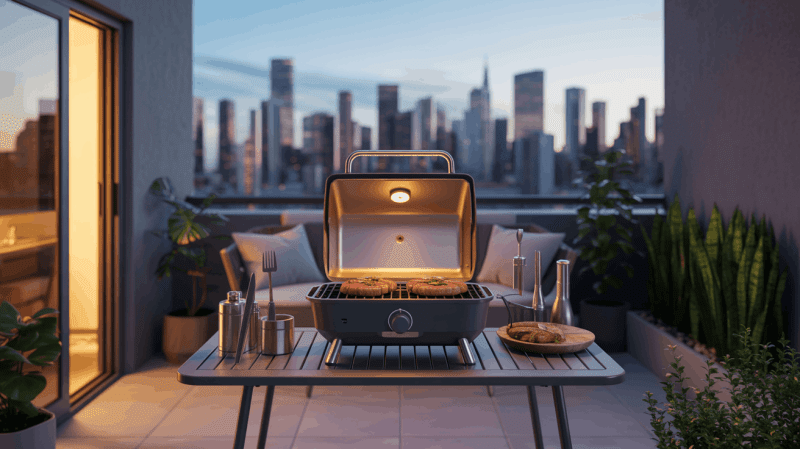
Not everyone has sprawling backyards or permanent outdoor kitchens. Portable pizza ovens serve apartment dwellers, frequent movers, tailgaters, and anyone with limited storage space. Modern compact designs prove you don't need a huge oven to make exceptional pizza—you just need the right compact model engineered for portability without sacrificing performance.
The best portable pizza grills balance three critical factors: weight light enough for one person to move, cooking performance that rivals larger models, and compact dimensions that fit in closets or car trunks. These ovens open pizza-making possibilities to audiences previously excluded by size and weight constraints.
What Makes a Pizza Oven Truly Portable
True portability means more than just being small. The oven should be light enough to carry comfortably (under 35 pounds ideal), have handles or grips for secure transport, fold or disassemble for compact storage, and reach full temperature quickly to minimize setup time at your destination.
Portability Features to Prioritize
- Weight: Under 35 pounds for easy solo carrying
- Handles: Built-in carry points that don't get hot
- Collapsible legs: Reduce packed dimensions
- Detachable parts: Burners, chimneys that separate
- Quick heat-up: Under 20 minutes to temperature
- Fuel flexibility: Small propane bottles or multi-fuel

Featured Portable Pick: Gozney Tread

Gozney Tread: Purpose-Built Portability
Gozney designed the Tread specifically for portability without compromising cooking quality. At just under 30 pounds with integrated top handles, it's genuinely easy for one person to move from garage to patio or car to campsite. The lateral burner creates the same rolling flame found in larger Gozney ovens, producing evenly cooked 12-inch pizzas in three to four minutes.
What impresses most about the Tread is how little you sacrifice for portability. The 12-inch cooking surface accommodates personal-sized pizzas perfectly. Heat retention rivals ovens twice its size thanks to efficient insulation. The analog thermometer provides accurate readings without adding digital complexity. It's simply a well-executed compact oven that happens to be portable rather than a portable oven with compromises.

The narrow opening requires more frequent rotation—every 10-15 seconds in our tests versus 20-30 for wider ovens. Gozney sells a smaller 6-inch turning peel specifically for this oven, making rotations easier in tight spaces. After the learning curve, we consistently produced pizzas with crispy bottoms, melted cheese, and nicely charred crusts.
Pros
- True portability at 29.7 pounds
- Integrated carrying handles
- Excellent heat retention
- Lateral burner for even cooking
- Quick 20-minute preheat
- Compact footprint
- Durable construction
Cons
- Limited to 12-inch pizzas
- Narrow opening requires practice
- Smaller peel recommended
- Analog thermometer only
Key Specifications
- Fuel Source: Propane gas
- Maximum Temperature: 950°F
- Cooking Surface: 12 inches
- Weight: 29.7 pounds
- Dimensions: 16.5" W x 19.1" D x 12.6" H
- Warranty: 5 years
The Tread excels for apartment dwellers with small balconies, campers who want wood-fired flavor away from home, tailgaters feeding friends before games, and anyone who needs to store their oven in tight spaces. At $500, it costs more than some larger ovens, but you're paying for engineering that maintains performance in a compact package.
Ultra-Compact Option for Tight Budgets

Ooni Koda 12: Smallest Gas Option
The Koda 12 represents Ooni's most compact gas offering at just 20.4 pounds and 24.4 inches wide. It's essentially a scaled-down Koda 16 that heats even faster—reaching 900°F in about 15 minutes. This rapid heat-up makes it perfect for spontaneous pizza nights or when you're short on time.
The trade-off for compactness is a tighter cooking space. The 12-inch stone and the shorter opening leave less room for maneuvering the pizza peel. Our first few pizzas had some uneven cooking as we adjusted to the smaller space. Once we developed the rotation rhythm (every 15-20 seconds), results improved dramatically. This oven rewards practice more than larger models but delivers excellent results once you adapt your technique.
At $399, it's the most affordable way into the Ooni ecosystem and outdoor pizza cooking generally. The lighter weight makes it genuinely portable for one person. Folding legs collapse for storage in closets or under shelves. For singles, couples, or families making just a few pizzas at a time, the 12-inch capacity proves sufficient.
Best for: Budget-conscious buyers, small households, apartment dwellers, beginners
Cooking Surface: 12 inches
Weight: 20.4 pounds
Price: $399
Portable Pizza Oven Transport Tips
Let your oven cool completely before moving—never transport hot or warm. Secure loose parts like chimneys or burners. Consider buying a padded carrying case for added protection during transport. When traveling, pack the propane tank separately and check local regulations about transporting compressed gas. For air travel, plan to source propane at your destination.
Pizza Grills for Entertaining Large Groups

Feeding a crowd with outdoor pizza requires different considerations than weeknight family dinners. You need capacity to cook multiple pizzas quickly, heat retention to power through back-to-back cooking sessions, and design features that facilitate efficient workflow. The right large-capacity pizza grill transforms entertaining from stressful to seamless.
When evaluating pizza ovens for large gatherings, prioritize cooking surface area, recovery time between pizzas, and overall build quality that withstands extended use. Extra-large models cooking 20-inch pizzas or multiple smaller pies simultaneously dramatically reduce the time guests spend waiting for their slices.
Large Format Pizza Oven Benefits
Why Size Matters for Entertaining
- Cook 2-3 pizzas simultaneously versus one at a time
- Feed 12-15 people in 30 minutes instead of 90
- Better heat retention maintains temperature through sessions
- More workspace reduces crowding and stress
- Create cooking zones for different temperatures
- Accommodate larger specialty pizzas (Detroit-style, rectangular)

Featured Large-Capacity Pick: Ooni Koda 2 Max

Ooni Koda 2 Max: Ultimate Party Oven
The Koda 2 Max redefines what's possible with outdoor pizza ovens. Its enormous 24-inch cooking surface accommodates one 20-inch pizza, two 12-inch pizzas, or three 10-inch pizzas simultaneously. This capacity transforms pizza parties from sequential cooking marathons into efficient production lines where guests receive hot pizzas minutes apart rather than watching the cook struggle to keep up.
Dual independently controlled burners provide unprecedented versatility. Set the left side to 900°F for Neapolitan pizzas while keeping the right at 650°F for New York style. Cook pizzas on one side while warming appetizers in a cast-iron pan on the other. Create a gentler zone for more delicate toppings that burn at full heat. This two-zone capability solves problems you didn't know existed until you had it.

Despite its size, the Max heats relatively quickly—about 30 minutes to full temperature. Once hot, it stays hot. The substantial thermal mass and efficient insulation mean the temperature barely drops between pizzas, even when cooking continuously for an hour. In our testing, we cooked 12 consecutive pizzas with consistent results from first to last.
Pros
- Massive 24-inch cooking area
- Dual independent temperature zones
- Excellent heat retention
- Cooks multiple pizzas simultaneously
- Digital temperature monitoring
- App connectivity available
- Handles large specialty pies
Cons
- Premium price at $1,299
- Heavy at 95 pounds
- Requires substantial space
- Higher propane consumption
- Longer preheat time
Key Specifications
- Fuel Source: Propane gas
- Maximum Temperature: 950°F per zone
- Cooking Surface: 24 inches (550 square inches)
- Weight: 95 pounds
- Dimensions: 31.5" W x 29.1" D x 16.8" H
- BTU Output: Dual burners (BTU per burner varies)
- Warranty: 5 years
The Koda 2 Max justifies its $1,299 price for frequent entertainers. If you regularly host gatherings of 8+ people or want to make pizza parties your signature event, this oven pays dividends in efficiency and results. It's also perfect for restaurants, caterers, or anyone considering pizza as a small business venture.
"I bought the Max for a pizza party with 20 guests and worried I'd overspent. After cooking 30 pizzas in under two hours with everyone getting hot, fresh pies throughout the party, I realized it was worth every penny. It's a party machine."

Alternative Large-Capacity Option

Alfa Forni Moderno 2 Pizze: Multi-Fuel Large Format
The Alfa Moderno 2 Pizze brings Italian pizza oven heritage to backyard cooking. This substantial oven accommodates two 10-12 inch pizzas simultaneously and burns wood, charcoal, propane, or natural gas. The retro-modern design, with its colorful enamel finish, makes it a visual centerpiece for outdoor kitchens.
What sets the Moderno apart is its substantial build quality and authentic pizza oven feel. The dome shape, large cooking chamber, and professional-grade materials create results rivaling commercial ovens. It takes longer to preheat—nearly an hour to reach optimal temperature with propane—but maintains that heat beautifully once there.
At $3,199, this represents a significant investment. It's for serious pizza enthusiasts who want a permanent outdoor installation, entertain frequently, or appreciate the craftsmanship of Italian oven design. The ability to switch between fuel types adds versatility that justifies the premium for some buyers.
Best for: Permanent outdoor kitchen installations, serious entertainers, those wanting authentic Italian oven experience
Cooking Surface: Two 10-12 inch pizzas
Weight: 175 pounds
Price: $3,199

Pizza Party Planning Guide
When hosting large groups, prepare dough balls in advance and have toppings prepped in individual containers. Assign a "pizza coordinator" to manage the queue while the cook focuses on oven operation. Pre-stretch dough and prepare several pizzas before guests arrive so you're not starting from scratch. Aim for one pizza per 2-3 people, assuming other appetizers and sides are available.
Budget-Friendly Pizza Grill Solutions

Outstanding outdoor pizza doesn't require four-figure investments. Several excellent budget pizza ovens deliver impressive results for under $500. While they may lack premium features like digital thermometers or app connectivity, they nail the fundamentals: getting hot enough to cook real pizza and maintaining that heat consistently.
Budget pizza ovens typically compromise on convenience features rather than core performance. You might forgo automatic stone rotation or built-in thermometers, but you'll still cook pizzas at authentic temperatures with proper technique. For newcomers testing the waters or anyone prioritizing value, these options provide entry points into outdoor pizza cooking without breaking the bank.
What to Expect from Budget Pizza Ovens
What You Get
- High heat capability (900°F+)
- Solid construction and safety
- Ability to cook authentic pizza
- Reasonable durability
- Basic warranty coverage
- Proven cooking performance
Common Trade-Offs
- Manual temperature monitoring
- Smaller cooking surfaces
- Less refined aesthetics
- Fewer convenience features
- Some assembly required
- Shorter warranties
Top Budget Pizza Oven Recommendations

Solo Stove Pi Prime: Best Budget Gas Oven
Solo Stove's entry into pizza ovens delivers remarkable performance for its $450 price point. This compact 12-inch gas oven heats to 900°F in just 15 minutes and produces pizzas with crispy crusts and properly melted toppings. It's proof that budget doesn't mean compromise when manufacturers focus on essentials.
The Pi Prime keeps things simple: one burner, one dial, no digital features. But that simplicity translates to reliability and ease of use. Light it like a gas grill, wait for the stone to reach temperature, and start cooking. An infrared thermometer (recommended for any oven without built-in monitoring) confirms readiness.
Build quality exceeds expectations for the price. Stainless steel construction, stable rubber feet, and thoughtful details like a rear heat shield demonstrate Solo Stove's commitment to durability. At 30 pounds, it's portable enough to move around or store away between uses.
Pros
- Excellent value at $450
- Fast 15-minute heat-up
- Reliable performance
- Lightweight and portable
- Simple operation
- Solid build quality
Cons
- Limited to 12-inch pizzas
- No built-in thermometer
- Basic aesthetics
- Smaller opening
Best for: Budget-conscious buyers, beginners, small households, anyone wanting proven performance under $500
Cooking Surface: 12 inches
Weight: 30 pounds


Ooni Koda 12: Entry-Level from Premium Brand
At $399, the Koda 12 represents the most affordable entry into Ooni's ecosystem. This 12-inch gas oven delivers the brand's reputation for quality at a fraction of flagship prices. It heats to 900°F in 15 minutes and produces excellent pizzas once you master the compact cooking space.
The main limitation is the narrow opening requiring more careful pizza management. But for buyers seeking Ooni-quality without premium prices, it's an outstanding value. The lightweight design (20.4 pounds) and collapsible legs add portability benefits.
Best for: Ooni fans on budgets, solo cooks, apartment dwellers
Cooking Surface: 12 inches
Weight: 20.4 pounds


Ooni Karu 2: Budget Multi-Fuel Choice
For $449, the Karu 2 delivers multi-fuel versatility (wood, charcoal, or gas with add-on burner). This 12-inch oven appeals to buyers wanting authentic wood-fired flavor without premium pricing. It heats faster than its Pro sibling and weighs significantly less (33.6 pounds).
The compact size actually becomes an advantage—less thermal mass means quicker heat-up and recovery. While lacking digital features, it includes the door and damper system for heat control. For adventurous cooks on budgets, it's unbeatable.
Best for: Multi-fuel capability on a budget, wood-fired enthusiasts
Cooking Surface: 12 inches
Weight: 33.6 pounds

Maximizing Budget Pizza Oven Value
Invest saved money in quality accessories that enhance any oven: a good pizza peel ($40-60), infrared thermometer ($25-40), pizza turning peel ($30-50), and quality ingredients. These purchases improve results more than spending extra on premium oven features you may not need as a beginner. Master the basics first, then upgrade later if desired.
Essential Pizza Grill Accessories and Setup

Your outdoor pizza oven is just the beginning. The right accessories transform good pizza into great pizza while making the process smoother and more enjoyable. From essential tools like peels and thermometers to nice-to-have additions like covers and stands, smart accessory choices enhance every aspect of pizza making.
We've organized accessories into three categories: absolute must-haves you should buy immediately, highly recommended items that significantly improve results, and optional upgrades for serious enthusiasts. Budget accordingly—plan to spend 20-30% of your oven cost on accessories.
Must-Have Pizza Oven Accessories

Pizza Peels

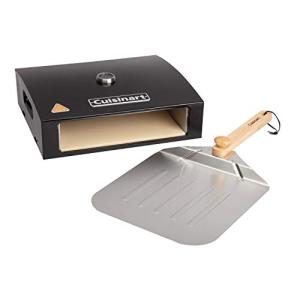
You need two peels: a large launching peel (12-14 inches) for loading pizzas and a smaller turning peel (7-9 inches) for rotating them. Aluminum peels with perforations prevent sticking. Wooden peels look beautiful but require more flour and careful technique.
Budget: $40-60 for launching peel, $30-40 for turning peel
Infrared Thermometer

Unless your oven includes built-in monitoring, an infrared thermometer is essential for knowing when you've reached target temperature. Aim the laser at your stone and get instant readings. Critical for consistent results, especially when learning.
Budget: $25-40 for reliable models
Weather Protection

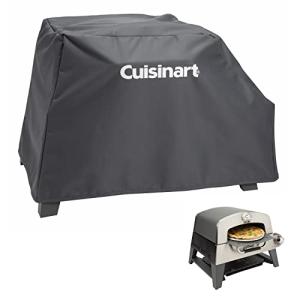
Outdoor ovens face rain, sun, and temperature extremes. Manufacturer-specific covers fit properly and use weather-resistant materials. They're cheaper than replacing rusted or damaged ovens. Store covered or move to protected areas during off-seasons.
Budget: $40-80 depending on oven size
Highly Recommended Accessories
Oven Brush and Cleaning Tools
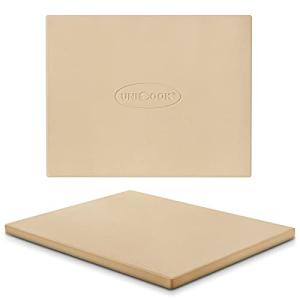
Pizza stones accumulate burnt flour and cheese. A long-handled brass or stainless steel brush cleans stones while hot, removing debris between pizzas. Avoid soap—high heat naturally sanitizes stones. Brush regularly for best results.
Budget: $15-25


Oven Stand or Table
Placing your oven at a comfortable working height prevents back strain during cooking sessions. Purpose-built stands often include storage shelves for tools and propane tanks. Alternatively, use a sturdy heat-resistant table—never place directly on wood surfaces.
Budget: $150-300 for stands, $80-150 for tables
Heat-Resistant Gloves
Standard oven mitts aren't sufficient for 900°F ovens. Invest in welding gloves or purpose-designed pizza oven gloves rated for high temperatures. They protect when adjusting stones, handling tools near flames, or managing wood-fired ovens.
Budget: $20-35

Optional Upgrades for Enthusiasts
- Pizza Dough Proofing Boxes ($30-50): Stackable containers for organized dough ball storage and controlled proofing
- Outdoor Lighting ($40-100): Illuminate your cooking area for evening pizza sessions
- Ingredient Prep Station ($80-200): Rolling cart or table for organizing toppings near your oven
- Wood Storage Rack ($40-80): For wood-fired oven users, keeps kindling dry and accessible
- Pizza Screens ($15-25): Alternative to peels for easier launching, though traditional methods produce better results
- Laser Thermometer Upgrade ($60-100): Professional models with wider temperature ranges and dual lasers for precision
Complete Setup Cost Breakdown
| Setup Level | Oven Cost | Essential Accessories | Optional Additions | Total Investment |
| Beginner Basics | $400-500 | $100-150 | $0 | $500-650 |
| Enthusiast Setup | $650-900 | $150-200 | $100-200 | $900-1,300 |
| Premium Complete | $1,000-1,300 | $200-300 | $300-500 | $1,500-2,100 |
| Professional Grade | $2,500-3,500 | $300-400 | $500-800 | $3,300-4,700 |
Ready to Complete Your Pizza Setup?
Browse our recommended accessories on Amazon to find everything you need for perfect outdoor pizza. From peels to thermometers, get the tools that make the difference.
Pizza Grilling Techniques and Pro Tips

Owning a great outdoor pizza oven is half the equation. The other half is developing technique. Even the best equipment produces mediocre results without proper method. From dough handling to launch technique to rotation timing, small refinements dramatically improve your pizza quality.
We've compiled essential techniques learned through hundreds of test pizzas. Master these fundamentals and you'll consistently produce restaurant-quality pies regardless of which oven you choose.
Achieving Perfect Pizza Stone Temperature
Temperature control separates good pizza from great pizza. Neapolitan-style requires 800-900°F for that characteristic leopard spotting and puffy crust. New York style works better at 650-750°F for a crisper, less charred result. Understanding your target and monitoring accurately ensures consistent outcomes.
Temperature Guidelines by Pizza Style
- Neapolitan (90-120 seconds): 850-950°F for quick cook, charred bubbles, soft interior
- New York (5-7 minutes): 650-750°F for crispy bottom, firm but foldable crust
- Detroit/Sicilian (10-15 minutes): 500-600°F for thick crust, caramelized cheese edges
- Thin Crust (3-5 minutes): 700-800°F for crispy throughout, minimal char

Pre-Heat Rule of Thumb
Always preheat longer than you think necessary. Stone temperature lags behind ambient oven temperature significantly. For gas ovens, add 5 minutes beyond when the thermometer reaches target. For wood-fired ovens, wait until you see clear flames rather than yellow, and let coals develop for 10 minutes before cooking.
Mastering the Pizza Launch
The moment you transfer pizza from peel to stone—the "launch"—causes more frustration than any other step. Dough sticking to the peels, misshapen pizzas, or topping slides ruin otherwise perfect preparations. Proper technique prevents these disasters.

- Prep Your Peel: Dust aluminum peel with flour and semolina mixture (50/50). Shake excess—too much burns and tastes bitter.
- Build Quickly: Once dough touches peel, you have 60-90 seconds before moisture causes sticking. Work fast.
- Test Slide: Before approaching oven, give peel a quick shake. Pizza should move freely. If stuck, gently lift edge and add more flour.
- Confident Motion: Angle peel into oven, touch far edge of stone, then pull peel back sharply in one motion. Hesitation causes problems.
- Practice with Raw Dough: Practice launches with untopped dough onto a counter before attempting with real pizzas.
The Art of Pizza Rotation
Outdoor pizza ovens create intense heat zones. The area closest to flames cooks faster than the far side. Without rotation, you end up with burnt spots and raw dough on the same pizza. Mastering rotation timing and technique ensures even cooking.
Rotation Timing by Oven Type
- Single Side Burner (Arc, Tread): Rotate 90° every 10-15 seconds (3-4 rotations total)
- L-Shaped Burner (Koda 16): Rotate 90° every 20-30 seconds (2-3 rotations)
- Dual Burner (Koda 2 Pro/Max): Rotate 180° every 20-30 seconds (2-3 rotations)
- Wood-Fired (Karu Series): Rotate as needed based on flame position, typically every 20-40 seconds
Rotation Technique
- Wait 20-30 seconds before first rotation for bottom to set
- Use small turning peel, slide under the center of pizza
- Lift slightly, rotate desired amount, set back down
- Watch edges—when bubbling and starting to char, check bottom
- Final rotation lifts pizza close to flame for top browning
Common Pizza Problems and Solutions
Cause: Stone too hot relative to oven ambient temperature.
Solution: Reduce heat slightly and let oven stabilize. Lift pizza closer to flame for last 15-20 seconds to brown cheese while bottom finishes. Consider using a turning peel as a shield to protect toppings while bottom cooks.
Cause: Insufficient flour/semolina, too much moisture in dough, or building pizza too slowly.
Solution: Use 50/50 flour and semolina for better release. Work quickly—no more than 90 seconds from dough on peel to oven. If stuck, gently lift edges with bench scraper and add more flour underneath.
Cause: Inconsistent dough thickness or inadequate rotation.
Solution: Stretch dough evenly, avoiding thick centers. Rotate more frequently, especially during the first minute when the bottom sets. Some ovens have hotter spots—learn yours and adjust rotation accordingly.
Cause: Too many wet toppings, the sauce too watery, or the oven not hot enough.
Solution: Use less sauce than you think necessary. Drain wet toppings like fresh mozzarella or vegetables. Increase oven temperature. Pre-cook very wet vegetables before topping pizza.
Cause: Too much sauce creating slippery layer or hesitant launch technique.
Solution: Use minimal sauce—less is more. Leave a 1-inch border for the crust. Lighter toppings near edges, heavier toward center. Practice confident launch motion—one quick, decisive pull.
Safety Reminder
Pizza ovens reach extreme temperatures. Always use proper heat-resistant gloves when handling tools near or inside the oven. Keep children and pets at safe distances. Never touch the oven exterior, stone, or metal parts during or immediately after cooking—they remain dangerously hot for 30+ minutes after shutdown.
Pizza Grill Maintenance and Care

Proper maintenance extends your pizza oven's lifespan and ensures consistent performance for years. Outdoor equipment faces harsh conditions—rain, temperature swings, UV exposure. A few simple maintenance habits protect your investment and prevent performance degradation.
We've broken down maintenance into three categories: after-cook cleaning, seasonal care, and long-term storage. Following these practices keeps your oven in top condition regardless of how frequently you use it.
After Every Cooking Session
Immediate Post-Cook Care
- Turn the oven to maximum heat for 15 minutes to burn off residue
- Let the oven cool for 10 minutes but remain warm
- Use a brass or stainless steel brush to sweep the stone clean
- Remove loose debris into disposal container
- Wipe exterior with damp cloth (when cool to touch)
- For wood ovens, empty ash tray and dispose properly
- Allow full cooling before covering (minimum 90 minutes)

Never Use Soap or Water on Pizza Stones
Pizza stones are porous and absorb liquids. Soap flavors persist through multiple cooks, and excess water can crack stones when heated. The high temperatures naturally sanitize—burned residue brushes away easily when stone is still warm. This is sufficient for food safety and maintains stone integrity.
Monthly and Seasonal Maintenance
Gas Oven Maintenance
- Inspect propane connections for leaks (soapy water test)
- Check burner ports for blockages or debris
- Clean ignition system components
- Verify gas flow is even across the burner
- Test controls and knobs for smooth operation
Wood-Fired Oven Care
- Deep clean ash from all chambers
- Inspect the chimney for creosote buildup
- Check door gasket integrity and seal
- Examine damper mechanism for smooth operation
- Verify chimney cap remains secure
Universal Checks
- Examine the exterior for rust or damage
- Tighten loose screws or fasteners
- Check legs/stand stability
- Inspect the stone for cracks or chips
- Clean and oil any moving parts
Winter Storage and Off-Season Care
If you live in climates with harsh winters or plan to store your oven for extended periods, proper preparation prevents damage and ensures easy startup when pizza season returns.
- Final Deep Clean: Burn off all residue, clean thoroughly, remove all ash from wood ovens
- Dry Completely: Leave uncovered in dry location for 24 hours to eliminate moisture
- Disconnect Fuel Sources: Remove propane tanks, drain gas lines if possible, store fuel safely
- Disassemble Removable Parts: Detach chimneys, burners, doors for compact storage and prevent loss
- Cover or Store Indoors: Use manufacturer's cover if storing outdoors, or move to the garage/shed
- Elevate Off-Ground: Prevent moisture absorption from concrete—use blocks or pallets
- Check Monthly: If stored outdoors, verify cover remains secure and no moisture accumulation
- Spring Inspection: Before first use, check all components, test connections, run pre-burn cycle

When to Replace Components
| Component | Expected Lifespan | Signs of Replacement Need | Typical Cost |
| Pizza Stone | 3-5 years | Cracks, major chips, uneven heating, persistent staining affecting taste | $40-120 |
| Gas Burner | 5-7 years | Uneven flame, yellow flames, difficulty lighting, rust/corrosion | $80-150 |
| Door Gasket | 2-3 years | Heat escaping, door doesn't seal, visible wear or cracking | $15-30 |
| Ignition System | 3-5 years | No spark, requires multiple attempts, intermittent function | $25-60 |
| Protective Cover | 2-4 years | Tears, lost water resistance, UV degradation, doesn't fit properly | $40-80 |
Warranty and Manufacturer Support
Most quality pizza ovens include 3-5 year warranties covering manufacturing defects. Register your product immediately after purchase to activate coverage. Keep purchase receipts and documentation. Before replacing components yourself, check if warranty covers the issue—many manufacturers offer excellent customer support and replacement parts programs.
Choosing Your Perfect Pizza Grill

With dozens of outdoor pizza ovens available, choosing the right one feels overwhelming. The perfect oven for your neighbor might be wrong for you. Your ideal choice depends on space constraints, budget, cooking style, fuel preferences, and how often you'll actually use it.
We've created a decision framework to help you identify which oven matches your specific situation. Answer these key questions, and the right choice becomes clear.
Key Decision Factors
How Often Will You Cook Pizza?
Your usage frequency should heavily influence your investment level and feature selection.
- Monthly or Less: Budget gas oven ($400-500) makes sense
- 2-3 Times Monthly: Mid-range gas or multi-fuel ($500-800)
- Weekly: Premium gas or versatile multi-fuel ($800-1,200)
- Multiple Times Weekly: Top-tier with convenience features ($1,000+)
What's Your Available Space?
Physical space limitations narrow options significantly and prevent buyer's remorse.
- Apartment Balcony: Compact portable (12-inch, under 30 lbs)
- Small Patio: Medium gas oven (14-16 inch)
- Large Yard: Any size works—choose by needs
- Permanent Installation: Consider built-in or premium large format
How Many People to Feed?
Cooking capacity directly impacts your entertaining success and guest satisfaction.
- 1-2 People: 12-inch oven is sufficient
- Family of 3-4: 14-16 inch recommended
- Regular Entertaining (6-8): 16-18 inch or dual capability
- Large Gatherings (10+): Extra-large or dual-pizza capacity
What's Your Budget Reality?
Honest budget assessment prevents overspending and ensures satisfaction with your choice.
- Under $500: Entry-level gas, basic features
- $500-800: Quality gas or budget multi-fuel
- $800-1,200: Premium features, larger capacity
- $1,200+: Professional-grade, all features
Fuel Type Decision Guide
Choose Gas If You Want
- Fastest, easiest operation
- Minimal cleanup requirements
- Consistent, predictable results
- Weeknight convenience
- Less hands-on involvement
- Lower learning curve
Choose Multi-Fuel If You Want
- Authentic wood-fired flavor
- Fuel flexibility and options
- Engaging cooking experience
- Lower operating costs in the long term
- Off-grid cooking capability
- Traditional pizza oven feel
Choose Wood-Only If You Want
- Maximum traditional authenticity
- Most hands-on experience
- Deepest smoky flavors
- Cooking as a ritual/hobby
- Lowest equipment cost often
- Challenge and mastery
Our Recommendations by Scenario
Best for Beginners
Recommendation: Solo Stove Pi Prime or Ooni Koda 12
Both offer straightforward gas operation with quick heat-up, compact size for easy storage, and affordable pricing that doesn't punish uncertainty. They're forgiving enough for learning but capable of excellent results once you develop technique.
Why: Low investment risk, simple operation, sufficient for learning fundamentals
Best for Families
Recommendation: Ooni Koda 2 Pro or Gozney Arc XL
Mid-size capacity (16-18 inches) handles family dinners efficiently while remaining manageable for one person to operate. Gas fuel keeps weeknight cooking realistic. Digital features remove guesswork for consistent results regardless of who's cooking.
Why: Right-sized capacity, convenient operation, reliable family-friendly results
Best for Entertainers
Recommendation: Ooni Koda 2 Max
When regularly feeding 8+ guests, the Max's dual-pizza capacity and separate heat zones transform pizza parties from stressful to seamless. The investment pays off in dramatically reduced cooking time and the ability to serve groups efficiently.
Why: Maximum capacity, dual zones, powers through large batches
Best for Pizza Purists
Recommendation: Ooni Karu 2 Pro
Multi-fuel capability lets you experience authentic wood-fired flavor when desired while falling back to gas convenience when time is short. The tall opening and glass door provide control for mastering traditional techniques. Perfect for those who view pizza as craft.
Why: Wood-fired authenticity available, versatile fuel options, craft-focused design
Still Unsure Which Pizza Oven Is Right for You?
Explore our complete selection of recommended outdoor pizza ovens on Amazon. Compare features, read reviews, and find the perfect match for your backyard pizza dreams.
Start Your Backyard Pizza Journey

The best pizza grills transform ordinary backyard spaces into destinations. They turn dinner into an event. They create moments where family and friends gather around fire and food, waiting eagerly for each new pie to emerge from the blazing oven. These aren't just cooking appliances—they're catalysts for connection and creativity.
Whether you choose a budget-friendly gas oven or invest in a premium multi-fuel model, you're joining a growing community of outdoor cooking enthusiasts who've discovered that making great pizza at home is both achievable and deeply rewarding. The learning curve is real, but it's also half the fun. Each pizza teaches you something—about heat, about timing, about the beautiful unpredictability of live fire.
The outdoor pizza ovens we've featured in this 2026 guide represent the current pinnacle of home pizza-making technology. Gas models like the Ooni Koda 2 Pro and Gozney Arc XL deliver convenience without compromising quality. Multi-fuel options like the Karu 2 Pro provide flexibility for different moods and occasions. Budget picks prove you don't need to spend thousands to achieve excellent results.
Your Next Steps
- Review your budget and space constraints honestly
- Consider how often you'll realistically use the oven
- Decide between gas convenience or wood-fired authenticity
- Choose an oven that matches your primary use case
- Plan for essential accessories in your budget
- Start with simple pizzas while learning your oven
- Gradually experiment with techniques and recipes
- Share your results and invite others to join you

Remember that even experienced pizzaiolos burn pies occasionally. Don't let early imperfect results discourage you. The burned crusts, stuck dough, and lopsided launches are all part of the learning process. Keep a sense of humor, embrace the experimentation, and trust that consistent practice produces consistent results.
The outdoor pizza oven you choose today could become one of your most-used backyard investments. Imagine summer evenings with friends, fall pizza parties under string lights, even winter cooking sessions on crisp afternoons. The versatility extends beyond pizza too—these ovens roast vegetables beautifully, sear steaks to perfection, and bake bread with crispy crusts your indoor oven can't match.
"The best time to start making outdoor pizza was last year. The second best time is right now. Your backyard is waiting, and honestly, so is your perfect pizza."
This guide has given you the information needed to make an informed choice. You understand the differences between gas and wood-fired ovens, the importance of capacity for your situation, and which models excel in specific scenarios. You know what accessories you'll need and which techniques to master first. Now it's time to choose your oven and get started.
Your first pizza from your new outdoor oven probably won't be perfect. But it will be yours, made in your space, shared with people you care about. And that pizza, imperfections and all, will taste better than delivery ever could. Because you made it happen, from dough to fire to table.
Welcome to the world of backyard pizza. Your journey starts now.
Ready to Choose Your Pizza Grill?
Browse our complete selection of recommended outdoor pizza ovens and start making restaurant-quality pizza in your own backyard. Every pizza journey begins with the right equipment.
DISCLAIMER
This document is provided for general information purposes only and should not be relied upon as providing legal advice, technical, or specific operational guidance to the reader, whether as to the practices described in the document or the applicable legal requirements and regulations. OutDoor Grill Guide.com expressly disclaims any responsibility for liability arising from or related to the use or misuse of any information in this document.