Outdoor Kitchen Layouts That Actually Work

Creating a functional outdoor kitchen requires thoughtful planning and design to ensure the space works efficiently for cooking and entertaining. The right layout can transform your backyard into an extension of your home.
A well-designed outdoor kitchen provides a versatile area for family gatherings and social events. This comprehensive guide will explore various layouts that have proven successful in real-world applications, helping you create a space that enhances your lifestyle and adds value to your property.
Key Takeaways
- Understand the essential elements of a well-designed outdoor kitchen.
- Explore various outdoor kitchen layouts for different spaces.
- Learn how to maximize functionality in your outdoor kitchen.
- Discover design principles for a successful outdoor kitchen.
- Navigate the planning process and budget considerations.
The Value of an Outdoor Kitchen
A well-designed outdoor kitchen is a valuable asset that can boost your home's market value and livability. It's not just about having an additional cooking space; it's about creating an area that enhances your outdoor living experience and provides a significant return on investment.
Enhancing Your Outdoor Living Space
An outdoor kitchen transforms your backyard into a vibrant entertainment hub. It expands your living area, allowing you to enjoy the fresh air while cooking and dining with family and friends. This enhancement can significantly improve your quality of life, making your home more enjoyable and functional.
Return on Investment
According to Angi, a well-maintained outdoor kitchen can recoup between 60% and 100% of its installation cost when selling your home. This makes it one of the more financially sound outdoor improvements. Factors such as quality materials, professional installation, and the local climate contribute to the return on investment. For instance, regions with longer outdoor living seasons tend to see higher returns due to the extended usability of the outdoor kitchen.
The benefits of an outdoor kitchen are multifaceted:
- A well-maintained outdoor kitchen can increase your home's value, making it more attractive to potential buyers.
- Real estate professionals report that homes with outdoor kitchens attract more interest and can command higher prices.
- The return on investment is typically higher in regions with longer outdoor living seasons.
- Quality materials and professional installation are crucial for maximizing the value added to your property.
- Beyond monetary value, an outdoor kitchen enhances entertainment capabilities and improves quality of life.
When considering an outdoor kitchen, it's essential to weigh both the immediate enjoyment and the long-term property value enhancement. By doing so, you can make an informed decision that suits your lifestyle and investment goals.
Understanding Your Outdoor Kitchen Needs
Creating an outdoor kitchen that meets your needs starts with understanding how you plan to use the space. This involves considering several factors that will influence the design and functionality of your outdoor kitchen.
Assessing Your Cooking Style
The foundation of any outdoor kitchen is a heat source that allows you to cook food. Whether you prefer a simple freestanding grill or a more complex setup with a range and oven, your cooking style will dictate the type of appliances and layout you need. Prep space is also crucial, as it enables you to prepare meals efficiently. Consider the types of meals you typically cook outdoors and the tools you need to do so.
Determining Entertainment Requirements
When it comes to entertaining, the size and layout of your outdoor kitchen and dining areas are critical. Think about how many people you typically entertain and how often. You should also consider whether you need dedicated dining space near your cooking area or if your existing outdoor furniture will suffice. Additionally, assess whether you prefer casual bar seating or a more formal dining arrangement. Features like built-in coolers, ice makers, or beverage centers can enhance your entertaining experience by minimizing trips indoors.
| Entertainment Feature | Benefit |
|---|---|
| Dedicated Dining Space | Enhances guest experience |
| Bar Seating | Encourages interaction with the cook |
| Built-in Cooler | Convenient storage for beverages |
As noted by design experts, "A well-designed outdoor kitchen can significantly enhance your outdoor living experience." A thoughtful design considers the flow between cooking, serving, and dining areas, ensuring comfortable movement for both hosts and guests.
Budget Considerations for Outdoor Kitchens
The key to a successful outdoor kitchen lies in understanding your budget and making informed decisions about where to allocate your resources. Building an outdoor kitchen can range from a simple DIY project to a complex construction task requiring professional expertise.
When determining your budget, consider the size of your outdoor kitchen, the materials you want to use, and the appliances you need. A smaller, simpler outdoor kitchen centered around a grill or wood-fired pizza oven can be more budget-friendly, while larger projects with multiple appliances and features will cost more.
Cost Ranges and Expectations
The cost of an outdoor kitchen can vary widely, depending on the complexity of the design and the materials chosen. On average, homeowners can expect to spend between $5,000 and $50,000 or more on their outdoor kitchen. Understanding these cost ranges can help you plan your project more effectively.
| Component | Low-End Cost | High-End Cost |
|---|---|---|
| Grill | $500 | $5,000 |
| Countertops | $1,000 | $10,000 |
| Appliances | $1,500 | $8,000 |
Where to Splurge vs. Save
When it comes to budgeting for your outdoor kitchen, it's essential to prioritize your spending. Invest in a high-quality grill as it's the centerpiece of your outdoor kitchen and directly impacts your cooking results. Consider saving on secondary appliances by opting for portable versions that can be stored when not in use.
- Splurge on: Durable, weather-resistant countertop materials that require minimal maintenance.
- Save on: Decorative elements and non-essential features that can be added later as your budget allows.
Essential Elements of Functional Outdoor Kitchen Layouts
To create an outdoor kitchen that truly enhances your outdoor living experience, it's essential to incorporate certain essential elements. A well-designed kitchen outdoors not only expands your living space but also increases your home's value.
Work Zones and Traffic Flow
Efficient outdoor kitchen layouts require distinct work zones for cooking, preparation, and dining. Ensuring a smooth traffic flow between these zones is crucial for functionality. Consider the "work triangle" concept, where the grill, prep area, and sink form the points of a triangle to minimize walking distances.
- Position your grill and cooking area to avoid smoke blowing into dining areas or back into the house.
- Plan for adequate counter space for food preparation and serving.
Weather and Environmental Considerations
When designing your outdoor kitchen, it's vital to consider the local climate and environmental factors. This includes selecting materials that can withstand the elements and incorporating features that provide protection from the sun and rain.
- Consider adding a pergola or pavilion to provide shade and shelter.
- Ensure proper drainage by slightly sloping cooking and prep areas.
By focusing on these essential elements, you can create an outdoor kitchen that is both functional and enjoyable, expanding your living space and enhancing your outdoor living experience.
The Heart of Your Outdoor Kitchen: Selecting the Right Grill
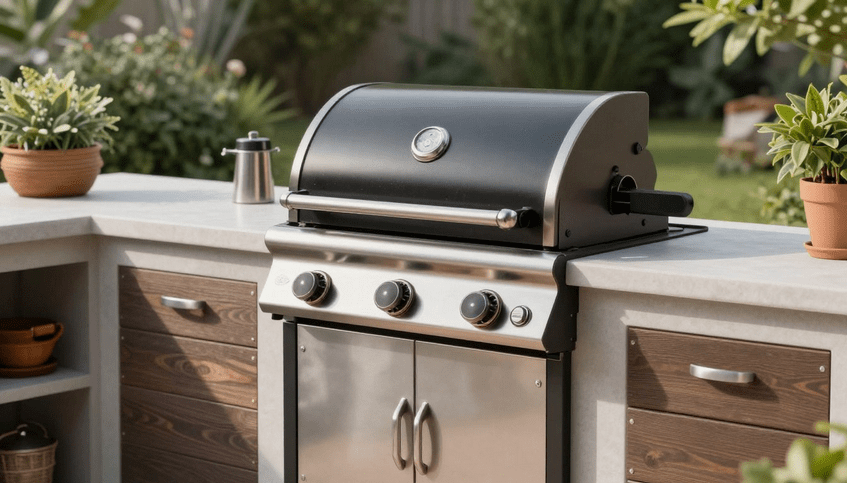
The heart of any outdoor kitchen is undoubtedly the grill, which requires careful consideration to ensure it meets your entertaining needs. When it comes to choosing the perfect grill, several factors come into play, including the type of cooking you'll be doing most often and the number of people you'll be hosting.

Gas vs. Charcoal vs. Pellet Options
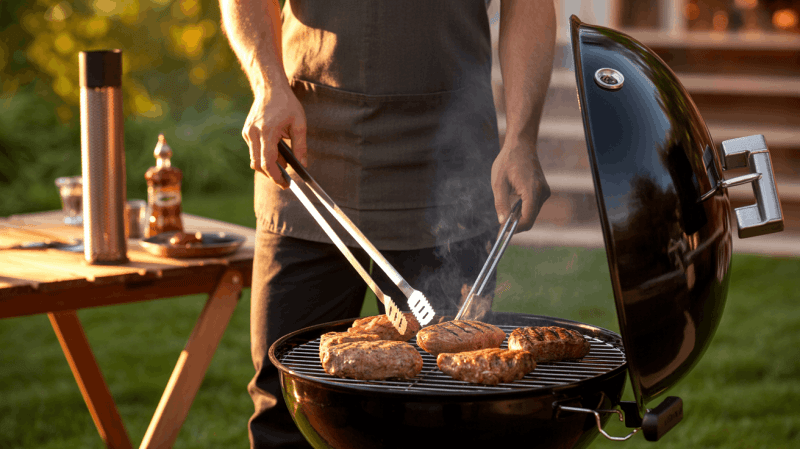
When selecting a grill for your kitchen, you have several options: gas, charcoal, and pellet grills. Gas grills offer convenience and ease of use, while charcoal grills provide a traditional smoky flavor. Pellet grills, on the other hand, offer a versatile cooking experience with the ability to grill, smoke, and even bake.
Sizing Your Grill Appropriately
Many homeowners tend to oversize their grill, thinking that a larger size is always better. However, it's essential to accurately assess your typical cooking needs. For couples or small families, a grill with 300-400 square inches of cooking surface is typically sufficient. For larger families or those who frequently entertain, consider grills with 500-600 square inches or more.
- Accurately assess your typical cooking needs rather than choosing the largest grill available.
- For small families, consider grills with 300-400 square inches of cooking surface.
- For larger gatherings, look for grills with 500-600 square inches or more.
- Consider the physical dimensions of the grill in relation to your planned counter space.
By choosing the right grill for your outdoor kitchen and considering the available space, you can create a functional and enjoyable cooking area that meets your needs.
Popular Outdoor Kitchen Layout Designs
A well-designed outdoor kitchen layout is essential for creating an inviting and functional outdoor living area. The layout of your outdoor kitchen can significantly impact your entertaining capabilities and overall enjoyment of the space.
Linear Layouts
Linear layouts are ideal for smaller spaces or for those who prefer a straightforward cooking area. This design typically features a single counter with appliances and cooking stations arranged in a line, making it efficient for smaller gatherings.
L-Shaped Designs
L-Shaped designs offer more versatility than linear layouts by adding an additional counter perpendicular to the main counter. This creates a more dynamic workspace and can accommodate more guests.
U-Shaped Configurations
U-Shaped configurations provide the most comprehensive cooking experience. They feature continuous counter space and storage on three sides, creating a dedicated outdoor cooking room. This layout is perfect for serious outdoor chefs who need extensive prep areas and multiple cooking techniques. However, it requires a minimum of 10 feet by 8 feet of space to prevent feeling cramped. Consider leaving one end slightly open to maintain a visual connection with the rest of the outdoor space.
Small Space Solutions: Outdoor Kitchen Layouts That Actually Work

Maximizing a compact outdoor area requires careful planning and clever design. Homeowners with limited outdoor kitchen space can still achieve their dream of an alfresco cooking and dining area by incorporating smart layouts and multi-functional elements.
Perimeter Designs Against the House
One effective strategy for small outdoor kitchens is to utilize the perimeter of the house. By placing the kitchen against the house, you can create a functional cooking area without encroaching on the rest of the yard. This design also simplifies plumbing and electrical connections.
Multi-Functional Islands
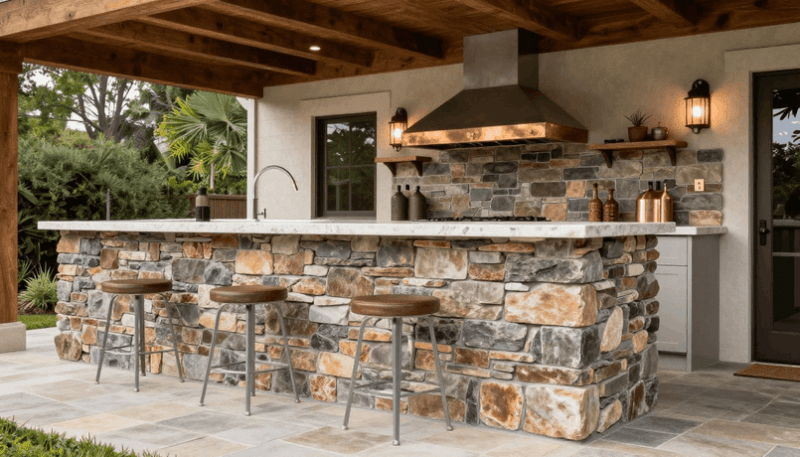
Island designs that serve multiple purposes are crucial in compact outdoor kitchen layouts. Consider an island with a grill on one side and bar seating on the other, creating both cooking and social zones within a small footprint. Other ideas include cantilevered countertops for additional dining space, convertible cutting boards, and strategic use of vertical space for storage.
For those who want two islands, consider placing one near the home for cooking and another in the backyard for dining or socializing. This approach can help maximize the use of space in small yards, making the most of your outdoor kitchen without feeling cramped.
Material Selection for Durability and Style
Selecting the right materials for your outdoor kitchen is essential to ensure it withstands the elements while maintaining its style. The choice of materials directly impacts the longevity and functionality of the space.
Weather-Resistant Countertop Options
For countertops, consider materials that are resistant to weathering and require minimal maintenance. Porcelain surfaces and granite are popular choices due to their durability and aesthetic appeal. These materials can withstand various weather conditions and are easy to clean.
Cabinetry and Storage Materials
Cabinetry and storage solutions should be made from materials that can resist moisture and extreme temperatures. Weather-resistant woods or synthetic materials are ideal for outdoor kitchen cabinetry. They provide the necessary durability while maintaining the style of your kitchen.
Flooring Considerations
For flooring, options like porcelain pavers, natural stone, and stamped concrete offer a balance between durability and style. It's crucial to consider slip resistance, especially around areas that may get wet, such as near sinks or ice makers. Ensuring proper drainage by slightly sloping the floor away from structures can prevent water from pooling around your outdoor kitchen or patio area.
Appliance Integration Beyond the Grill

The key to a versatile outdoor kitchen lies in incorporating a variety of appliances that go beyond the traditional grill. This approach not only enhances your cooking capabilities but also transforms your outdoor space into a fully functional culinary area.
Refrigeration Options
Including refrigeration in your outdoor kitchen design is crucial for keeping ingredients fresh and drinks chilled. Outdoor refrigerators and drawers are designed to withstand the elements while providing convenient access to essentials during cooking and entertaining.
Sinks and Plumbing Considerations
A sink is a practical addition to any outdoor kitchen, facilitating food preparation and cleanup. When planning for a sink, consider the plumbing requirements, including water supply lines and drainage, to ensure a seamless integration.
Specialty Cooking Appliances
Specialty appliances like wood-fired pizza ovens, side burners, power burners, and smokers can significantly enhance your outdoor cooking experience. For instance, a wood-fired pizza oven creates a dramatic focal point while offering unique cooking capabilities beyond just pizza, including roasting, baking, and smoking.
- Side burners provide additional cooking surfaces for sauces and sides.
- Power burners allow for authentic wok cooking or rapid boiling.
- Smokers extend your outdoor cooking repertoire to include slow-cooked barbecue.
- Consider the frequency of use when deciding between built-in and portable appliances.
By thoughtfully integrating these appliances, you can create an outdoor kitchen that is not only functional but also a hub for entertainment and culinary exploration.
Storage Solutions for Outdoor Kitchens
The key to a clutter-free outdoor kitchen lies in its storage solutions. A well-organized kitchen not only enhances functionality but also elevates the overall outdoor living experience.
Weather-Resistant Cabinetry
Investing in weather-resistant cabinetry is crucial for maintaining the integrity of your outdoor kitchen. Materials such as recycled plastic or marine-grade polymer are ideal due to their durability against various weather conditions.
Clever Storage Ideas
To maximize storage in your outdoor kitchen, consider incorporating dedicated storage for frequently used items. Utilize vertical space with wall-mounted magnetic strips or utensil hooks. Installing roll-out shelving in deep cabinets can improve access to stored items. Additionally, multi-purpose elements like bench seating with hinged tops provide both seating and space for storing cushions and accessories. For island configurations, ensure there's ample storage for grilling tools and supplies.
By implementing these storage solutions, you can create a more efficient and enjoyable kitchen area that remains organized and clutter-free.
Lighting and Electrical Planning

To create an outdoor kitchen that's usable day and night, thoughtful lighting and electrical planning are essential. Proper lighting not only enhances the functionality of your outdoor kitchen but also sets the mood for entertaining.
Task Lighting for Cooking Areas
Task lighting is crucial in cooking areas to ensure that you have sufficient light to prepare meals safely. Consider installing under-cabinet lighting or pendant lights above countertops to illuminate workspaces.
Ambient Lighting for Entertaining
Ambient lighting creates a warm and inviting atmosphere, perfect for entertaining guests. You can achieve this by layering different types of lighting, such as overhead fixtures, wall sconces, and landscape lighting.
- Layer ambient lighting throughout your outdoor kitchen and dining areas to create a warm, inviting atmosphere.
- Incorporate a mix of lighting types to provide depth and eliminate dark corners.
- Consider string lights or pendant fixtures to define the dining area.
| Lighting Type | Purpose | Examples |
|---|---|---|
| Task Lighting | Illuminates workspaces | Under-cabinet lights, pendant lights |
| Ambient Lighting | Creates atmosphere | Overhead fixtures, wall sconces, string lights |
DIY vs. Professional Installation
The decision to DIY or hire professionals for your outdoor kitchen installation can significantly impact the project's outcome and your overall satisfaction. While taking on the project yourself can be cost-effective and rewarding, it's crucial to consider your skills, the complexity of the design, and the potential risks involved.
When to DIY Your Outdoor Kitchen
If you have experience with construction or landscaping projects, you might be able to tackle certain aspects of your outdoor kitchen installation yourself. Tasks such as building shelving, performing mortaring and stonework, and constructing the kitchen framework can be manageable for those with the right skills. However, it's essential to be realistic about your abilities and the time you have available.
- Consider DIY if you have experience with similar projects and are comfortable with the tasks involved.
- Be aware of your limitations and don't hesitate to seek professional help when needed.
When to Hire Professionals
For complex layouts, custom designs, or installations that require significant structural modifications, it's advisable to hire professionals. Additionally, tasks such as gas line installation, electrical work, and plumbing connections should always be handled by licensed professionals to ensure safety and compliance with local codes.
- Hire professionals for complex or custom designs that are beyond your expertise.
- Always engage licensed professionals for tasks that involve gas, electricity, or plumbing.
- Consider professional installation for high-end appliances to maintain manufacturer warranties.
Step-by-Step Guide to Building a Basic Outdoor Kitchen Island
Building a basic outdoor kitchen island is a straightforward project that can elevate your outdoor cooking and entertainment space. This guide will walk you through the essential steps to create a functional and attractive outdoor kitchen island.
Building the Frame
The first step in building your outdoor kitchen island is constructing the frame. Use durable materials like pressure-treated lumber to ensure longevity. The frame should be sturdy enough to support the weight of countertops, appliances, and any additional features.
Key Considerations: Ensure the frame is level and securely anchored to the ground to prevent shifting over time.
Adding Stone Veneer
Once the frame is built, you can add stone veneer to enhance the appearance of your outdoor kitchen island. Allow the stones to set for 24 hours to ensure a stable structure.
Installing Countertops and Appliances
Selecting the right countertop material is crucial for durability and style. Consider weather-resistant options like granite, concrete, or outdoor-rated quartz.
| Material | Durability | Maintenance |
|---|---|---|
| Granite | High | Low |
| Concrete | High | Moderate |
| Outdoor-rated Quartz | High | Low |
When installing countertops, create a level surface and apply appropriate adhesive. Install countertops with a slight slope to ensure proper water drainage. Make cutouts for the grill and other appliances according to manufacturer specifications.
Finally, install cabinet doors by attaching them over the flanges of the cabinet boxes, and seal all countertop seams and edges with outdoor-rated silicone caulk.
Permits and Regulations to Consider
When building an outdoor kitchen, it's crucial to consider the various permits and regulations that apply to your project. These requirements can significantly impact your budget and timeline.
According to Angi, the cost of permits for outdoor construction projects can vary widely. For instance, deck or patio permits typically cost between $220 and $500, while plumbing permits range from $50 to $500. In general, you can expect permits to add an average of $250-$2,000 to your project cost.
Local Building Codes
Local building codes dictate many aspects of your kitchen construction, including the type of materials you can use and how electrical and plumbing systems should be installed. It's essential to consult with local authorities to understand these requirements.
- Check if your municipality has restrictions on the types of cooking equipment allowed on covered patios or near combustible structures.
- Be aware that outdoor kitchens with permanent roofs or extensive hardscaping may affect property drainage requirements, necessitating additional permits or engineering.
Utility Considerations
When planning your outdoor kitchen, consider the location of existing utility lines to minimize trenching and installation costs. This includes ensuring that any gas line installations are done by licensed professionals and that sink plumbing meets local health department regulations.
| Utility | Considerations | Regulations |
|---|---|---|
| Gas Lines | Installation by licensed professionals, safety inspections | Specific permits required |
| Plumbing for Sinks | Backflow preventers, proper drainage systems | Local health department regulations |
| Electrical Installations | GFCI protection, weatherproof outlets and fixtures | Outdoor-specific code requirements |
Maintenance Tips for Longevity
To ensure your outdoor kitchen remains a vibrant hub of activity for years to come, regular maintenance is crucial. This involves a combination of routine cleaning, protective measures, and inspections to prevent damage and wear.
Seasonal Cleaning Routines
Establishing a seasonal cleaning routine is vital for maintaining the integrity and appearance of your kitchen. This includes:
- Investing in high-quality covers for your grill and other appliances to protect them from precipitation, UV damage, and debris when not in use.
- Applying appropriate sealants to countertops and natural stone surfaces according to manufacturer recommendations, typically once or twice yearly.
- Inspecting cabinetry and storage areas regularly for signs of water intrusion or pest activity, addressing issues promptly before they cause significant damage.
Protecting Your Investment
Protecting your outdoor kitchen investment over time involves more than just cleaning. It requires strategic decisions such as:
- Considering the installation of a permanent pergola, pavilion, or awning over your kitchen to provide protection from harsh weather and extend its usable life.
- Maintaining proper drainage around your outdoor kitchen area to prevent water pooling that can damage foundations and finishes over time.
- Storing removable items like utensils, serving pieces, and electronics indoors during off-seasons or extreme weather to extend their useful life.
By following these maintenance tips, you can ensure your outdoor kitchen remains a beautiful and functional space for years to come, providing countless hours of enjoyment and enhancing your outdoor living experience.
Conclusion
A functional outdoor kitchen is more than just a cooking space; it's an extension of your home that fosters warmth and connection. To achieve this, it's crucial to balance your cooking needs, entertainment style, and available space to create a seamless transition between indoors and outdoors.
When designing your outdoor kitchen, prioritize workflow efficiency and proper spacing between cooking, prep, and dining areas. Whether you opt for a simple layout or an elaborate design, the key is to create a functional outdoor living space that enhances your home's appeal.
By considering your investment in terms of both immediate enjoyment and long-term value, you can create a dream outdoor kitchen that provides years of enjoyment and becomes a natural gathering space for family and friends. With proper planning, material selection, and maintenance, your outdoor kitchen will be the perfect blend of form and function, bringing warmth to your outdoor area.
FAQ
What is the ideal size for an outdoor kitchen island?
The ideal size for an outdoor kitchen island depends on the available space and your cooking needs. A general rule of thumb is to allocate at least 36 inches of clearance around the island to ensure comfortable movement.
What type of grill is best suited for outdoor kitchens?
The best type of grill for outdoor kitchens depends on personal preference, cooking style, and budget. Gas grills offer convenience, while charcoal grills provide a traditional grilling experience. Pellet grills are also gaining popularity for their versatility.
How do I choose the right countertop material for my outdoor kitchen?
When selecting a countertop material for your outdoor kitchen, consider durability, maintenance, and style. Popular options include granite, quartz, and stainless steel, which can withstand various weather conditions.
What are the essential appliances for a functional outdoor kitchen?
Essential appliances for a functional outdoor kitchen include a grill, refrigeration options, and a sink. Specialty cooking appliances like pizza ovens or smokers can also enhance your outdoor cooking experience.
How can I ensure proper lighting in my outdoor kitchen?
To ensure proper lighting in your outdoor kitchen, consider a combination of task lighting for cooking areas and ambient lighting for entertaining. LED lighting is a popular choice due to its energy efficiency and durability.
What are the benefits of hiring a professional for outdoor kitchen installation?
Hiring a professional for outdoor kitchen installation can ensure a safe, functional, and aesthetically pleasing result. Professionals can help with design, material selection, and compliance with local building codes and regulations.
How can I maintain my outdoor kitchen to extend its lifespan?
Regular maintenance is crucial to extending the lifespan of your outdoor kitchen. This includes seasonal cleaning routines, protecting your investment from harsh weather conditions, and performing timely repairs.
DISCLAIMER
This document is provided for general information purposes only and should not be relied upon as providing legal advice, technical, or specific operational guidance to the reader, whether as to the practices described in the document or the applicable legal requirements and regulations. outdoorgrillguide.com expressly disclaims any responsibility for liability arising from or related to the use or misuse of any information in this document.