How to Make Churrasco: Authentic Grilled Steak Guide
You can make authentic churrasco at home with just a few steps. Pick a flavorful cut like skirt or flank, season it well, grill over high heat, and finish with a bright chimichurri.
We’ll walk you through an easy way to get juicy, charred steak and a fresh herb sauce that lifts every bite.
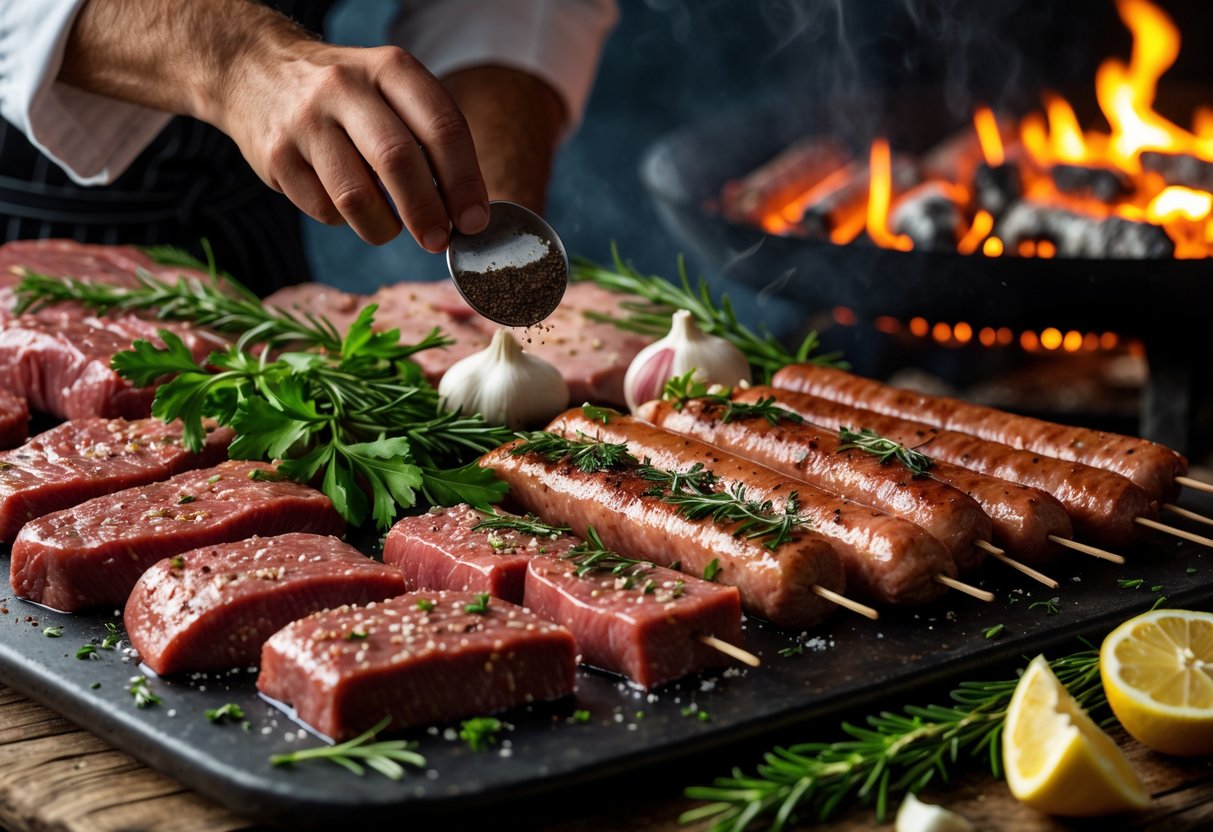
We’ve got tips on seasoning, rolling or slicing the steak for even cooking, and choosing the right grill or pan. You’ll also learn a quick chimichurri that comes together fast and pairs perfectly with the meat.
Key Takeaways
- Choose a flavorful cut and season it simply for best churrasco results.
- Grill hot and work in small batches for even char and juicy meat.
- Make a quick chimichurri to brighten and finish the dish.
Essential Ingredients for Churrasco
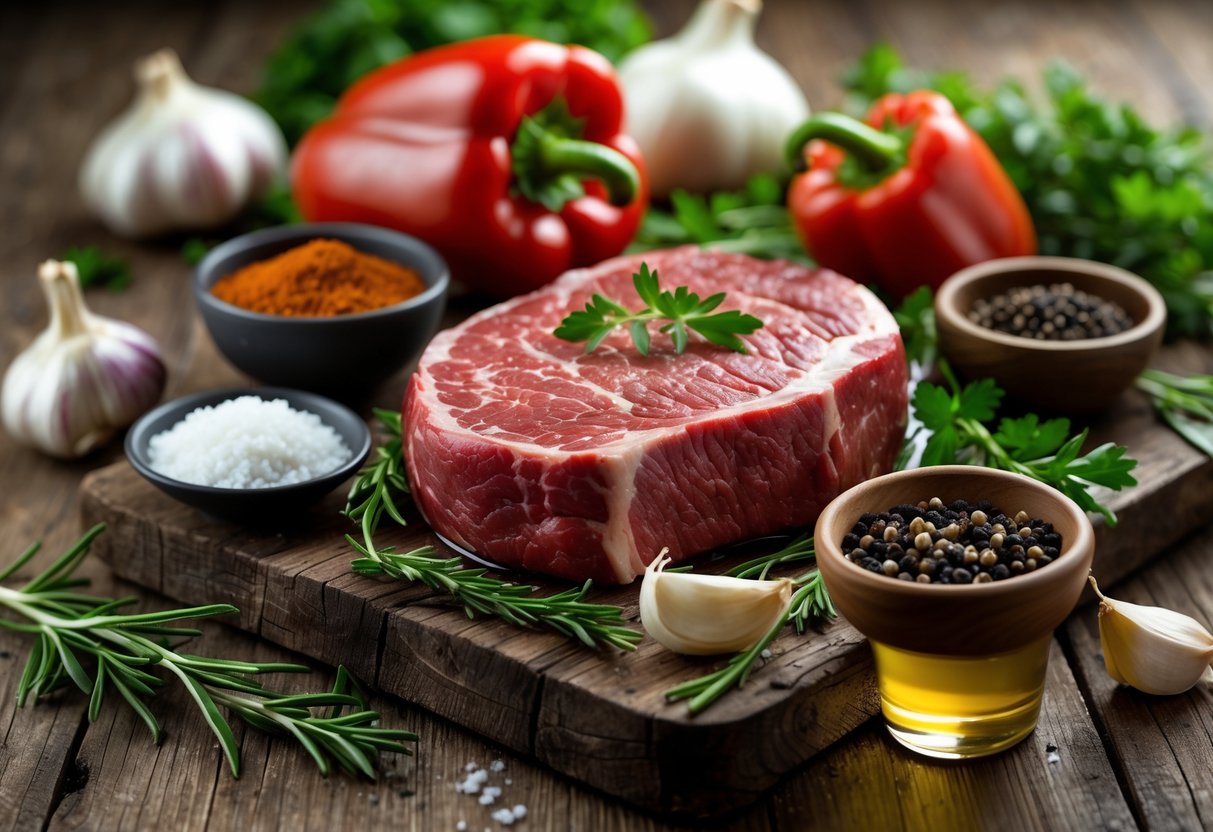
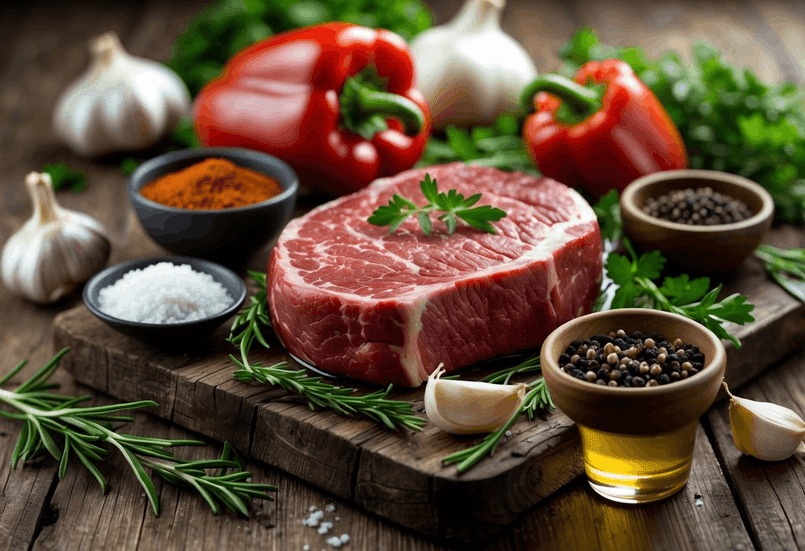
We focus on three things: the right cuts of beef, fresh herbs and pantry staples, and simple seasonings or marinades. These choices shape texture, flavor, and how the meat reacts to high heat.
Key Steak Cuts: Flank, Skirt, and Picanha
We go for cuts with flavor and great grilling behavior. Flank steak and skirt steak are long-grain, lean, and love a good marinade. They cook quickly over high heat.
Slice them thin across the grain after resting to keep every bite tender. Picanha (top sirloin cap) has a thick fat cap that melts and keeps the meat juicy.
We score the fat lightly and grill over medium-high heat, finishing fat-side down for crispness. Picanha really shines with just coarse salt—no need for fancy stuff.
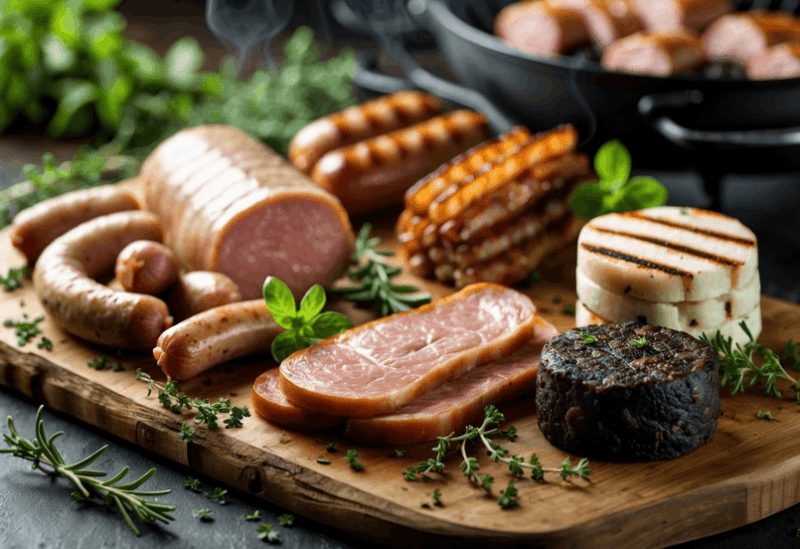
Sometimes we’ll throw on chorizo or sausages for a savory, fatty contrast. Use skirt or flank for fast, charred slices and picanha when you want a rich centerpiece.
Selecting Fresh Herbs and Pantry Staples
We always keep parsley and cilantro around for a bright chimichurri or for finishing. Flat-leaf parsley gives structure and cilantro adds a citrusy edge.
Chop herbs finely and toss them in at the end so the color and aroma stay fresh. Olive oil is the base for both marinades and chimichurri—go for extra-virgin if you can.
Garlic brings that savory punch. Use whole cloves, minced or crushed. Lime juice adds acid and brightness—always squeeze it fresh just before serving.
We rely on coarse salt, black pepper, paprika, and cayenne pepper. Salt is absolutely key for picanha. Paprika brings mild smokiness, and cayenne lets you adjust the heat. Keep these handy for marinades and sauces.
Role of Seasonings and Marinades
We use seasoning to highlight good beef, not hide it. For picanha, we usually stick to coarse salt so the fat and meat can do their thing.
For flank or skirt, we mix up a simple marinade: olive oil, minced garlic, lime juice, chopped parsley and cilantro, paprika, and a pinch of cayenne. Marinate skirt or flank for 30 minutes to 2 hours—any longer and the texture can get weird.
For chimichurri, just mix olive oil, minced garlic, chopped parsley, chopped cilantro, lime juice, paprika, and a dash of cayenne. Pulse or whisk until it’s a little creamy but still has texture.
Pat the meat dry before grilling so seasonings form a crust. Rest the meat for 5–10 minutes after cooking to let juices settle. We finish with a spoonful of chimichurri or sprinkle of fresh herbs for a pop of flavor.
Preparing Steak for Churrasco
We focus on three things: trimming for even cooking, marinating for flavor, and seasoning simply for an authentic finish.
Trimming and Slicing Techniques
We trim off extra silver skin and thick connective tissue from skirt, flank, or picanha so heat hits the meat evenly. For skirt and flank, remove just enough—leave a little fat for flavor but get rid of the tough white tendon lines.
For picanha, keep the fat cap but trim any discolored spots. Aim for uniform thickness. If a piece is uneven, butterfly or gently pound it to about 1/2–1 inch for skirt and flank, and 1–1.5 inches for picanha.
After resting, always slice against the grain in thin strips. That’s the secret to tender, easy-to-bite churrasco steak.
Marinating for Maximum Flavor
Short marinades work best for lean cuts. For skirt or flank, 30–60 minutes at room temp gives plenty of flavor without making it mushy.
Use acidic stuff like lime juice or red wine vinegar, but balance it with oil. Here’s a dead-simple marinade: 1/4 cup olive oil, 2 cloves minced garlic, 1 tbsp red wine vinegar or lime juice, 1 tsp dried oregano, and 1/2 tsp smoked paprika.
For picanha, we usually skip long marinades and just rub on garlic and salt, letting the fat cap flavor the meat as it grills. Sometimes we’ll brush chimichurri on after grilling or use a little as a marinade.
If you marinate skirt or flank longer than 2 hours, the fibers break down too much and you lose that signature churrasco bite.
Seasoning for Authentic Taste
We keep it simple and bold. Coarse kosher or sea salt plus fresh black pepper gives that classic churrasco crust.
Salt the meat generously right before grilling so it sears up nicely. Want to go a bit deeper? Try a little minced garlic or smoked paprika, but don’t go overboard—let the beef shine.
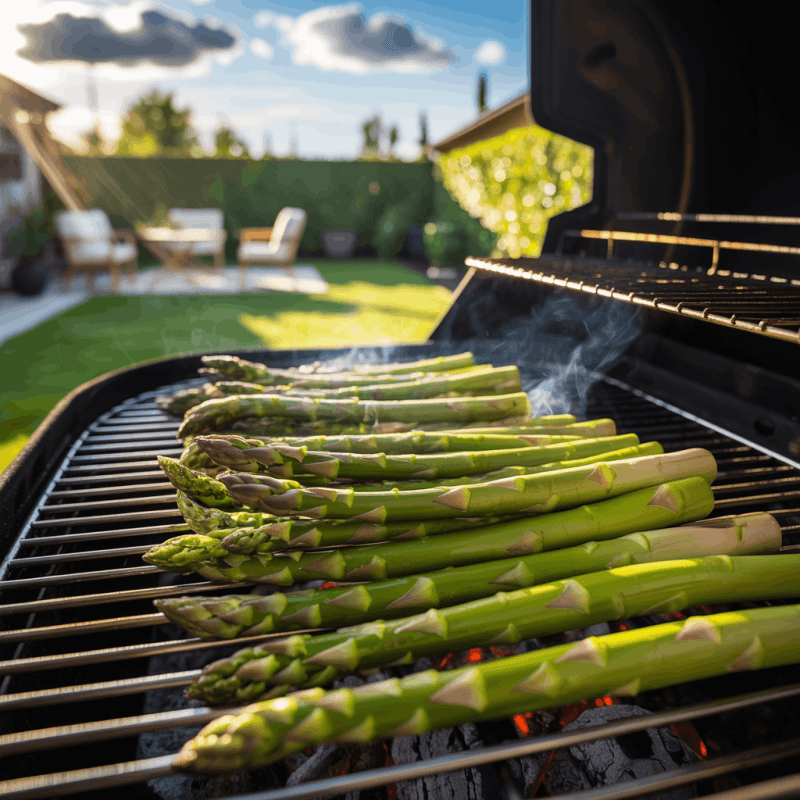
For steak with chimichurri, we save most of the herbs and acid for the sauce. Season the meat to bring out its best, not to cover it up. Always rest the steak 5–10 minutes after grilling, then slice thin against the grain and serve with chimichurri or grilled veggies for the full churrasco experience.
Grilling Methods and Equipment
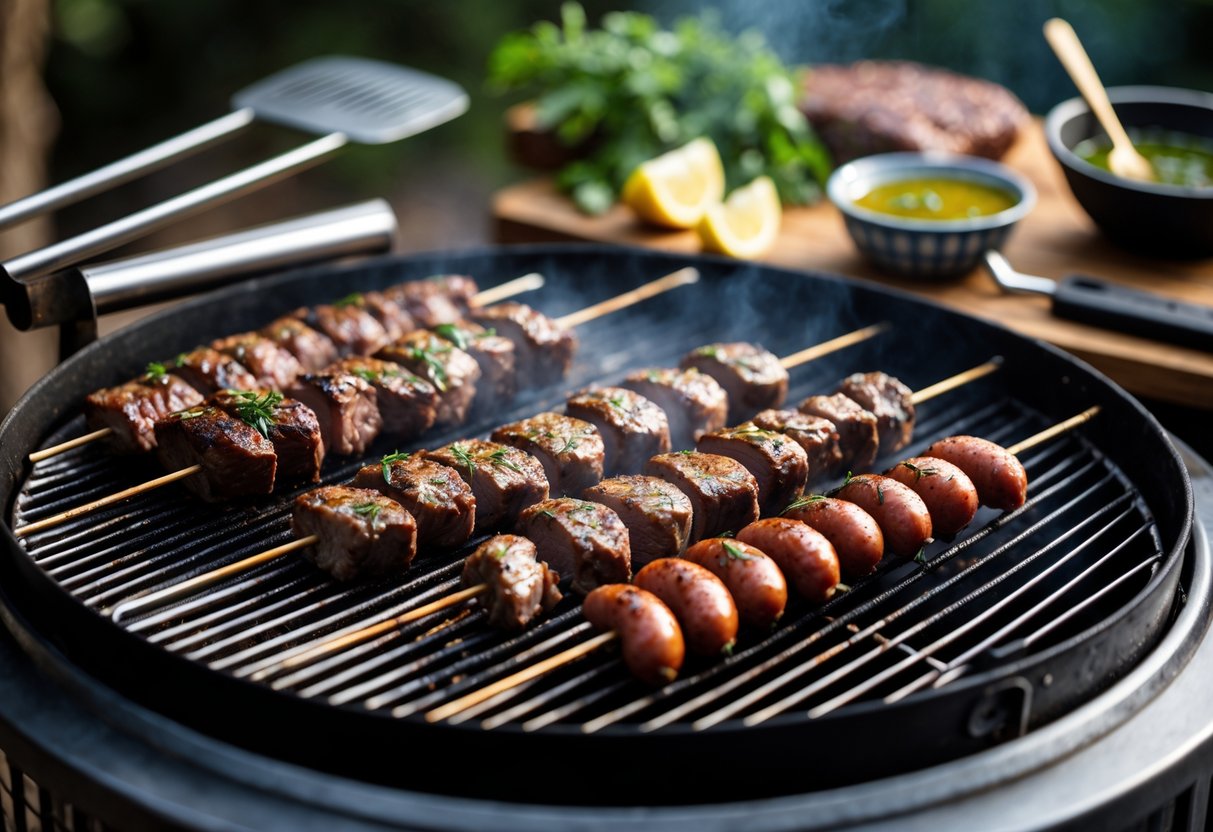
We focus on tools and techniques that give us control: picking the right fuel, handling skewers, and getting the right heat for churrasco-style steak.
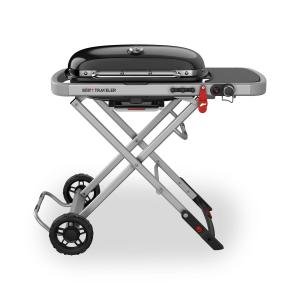
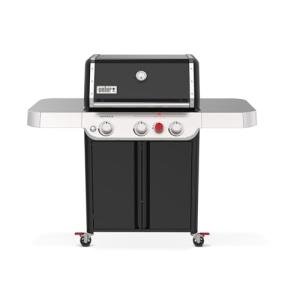
Charcoal vs. Gas Grill
Charcoal gives us stronger smoke and a better sear. Use lump charcoal or hardwood briquettes for steady heat and that real-deal smoky flavor.
Arrange coals for two zones: hot, direct heat for searing and a cooler side to finish thicker cuts like picanha. Gas grills heat up faster and keep things consistent. We can dial in temps easily, which is handy for juggling cuts.
Add a smoker box or soaked wood chips to get that churrasco aroma on a gas grill. Safety and cleanup matter—charcoal means more ash and airflow management, while gas needs burner checks and propane monitoring. Pick the fuel that fits the flavor and control you want.
Using Skewers and Metal Skewers
Metal skewers are our go-to for churrasco. They conduct heat, so meat cooks from the inside and outside.
Pick thick, flat stainless steel skewers so the meat doesn’t spin and heavy cuts stay put. Cut meat into even pieces and leave space between them for air to flow. For picanha, fold the cap and skewer through the fat cap to baste as it cooks.
Handle skewers with care. Use long tongs and heatproof gloves for turning. Keep raw and cooked meat on separate plates to avoid cross-contamination. For a classic touch, carve straight from the skewer onto plates.
Achieving the Perfect Grill
Control heat in zones and check internal temps. Sear thin steaks fast over high heat, then slide them to indirect heat to finish. For thicker cuts, start indirect and finish with a hot sear for that crust.
Watch for flare-ups from fat drips—keep a spray bottle handy and move skewers if flames get wild. Use a meat thermometer: 120–125°F for medium-rare picanha, go higher if you like. Rest meat 5–10 minutes after grilling to keep it juicy.
Keep grates clean and oil them so nothing sticks. When we use these churrascaria tricks at home, steady heat, good skewers, and a little patience mean juicy, flavorful churrasco every time.
Making Chimichurri Sauce
We make a bright, herb-forward chimichurri that wakes up churrasco but never hides the meat. Here are the classic ingredients, a simple prep method, and a few swaps and tips if you want to tweak the heat, texture, or make-ahead factor.
Traditional Chimichurri Ingredients
Start with fresh flat-leaf parsley—about 1 cup packed, chopped fine. Add 4 garlic cloves, minced, for that punch.
Olive oil gives body—plan on 1/2 cup. Red wine vinegar (about 1/4 cup) adds acidity and cuts through fat.
Season with 1 teaspoon red pepper flakes, 1 teaspoon salt, and 1/2 teaspoon black pepper. We usually add 1 teaspoon dried oregano for a bit of earthiness. Sometimes we’ll squeeze in lemon juice for extra brightness or toss in a handful of cilantro if we’re in the mood for a twist.
Keep everything fresh and stick close to those amounts for balance. Small tweaks to oil or vinegar will change the vibe, so taste as you go and trust your gut.
Steps for Homemade Chimichurri
We like to finely chop parsley and garlic instead of pureeing when we want a chunky sauce that sticks to churrasco. Toss the herbs and garlic in a bowl.
Sprinkle in red pepper flakes, oregano, salt, and pepper. Give it a good stir.
Drizzle in olive oil slowly while whisking. Add red wine vinegar after that.
Taste it—need more tang? Add vinegar. Want it silkier? More oil. Let the chimichurri sit at room temp for 20–30 minutes so the flavors come together.
If you’re in a rush, even 10 minutes is fine. It’s honestly still tasty.
Store leftovers in a sealed container in the fridge for up to a week. Let it come to room temp and stir before serving.
If you want it smoother, pulse briefly in a food processor. Just don’t over-blend or you’ll end up with a paste.
Flavor Variations and Tips
We tweak the heat and herbs depending on the meal. If you want more kick, add a diced jalapeño or bump up the red pepper flakes.
Craving citrus? Lemon zest and a squeeze of juice do wonders. If raw garlic feels too sharp, roast the cloves first and mash them in.
Texture-wise, you can blend in half an avocado for creaminess. Or go with a finer chop if you want the sauce to coat thin grilled slices better.
For make-ahead batches, add a splash more vinegar to help keep the color bright. Always taste after it’s rested and adjust salt at the end.
When serving with churrasco, spoon chimichurri over sliced steak or leave it on the side. We like making a small test batch first to figure out the right heat and acidity for everyone.
Serving and Presentation
We really pay attention to slicing so every bite stays tender. Serving choices matter too—churrasco’s all about bold, simple flavors.
Stick to salt, slice, and pair rules to keep things juicy and balanced.
Slicing and Plating Churrasco Steak
Let the steak rest for 5–10 minutes after grilling. That way, juices redistribute and you don’t end up with soggy plates.
Always cut against the grain for tenderness. For flank and skirt, slice thin at a 45-degree angle into 1/4-inch strips.
Picanha? Slice into thin strips, making sure to get some of that glorious fat cap. Use a sharp knife and a steady board for even slices.
Lay slices on a warm platter in a single layer or slight fan. Sprinkle coarse sea salt or a little chimichurri on top.
On individual plates, put steak next to white rice and a scoop of farofa for a nice texture contrast.
Family-Style and Entertaining Ideas
We love serving churrasco family-style for a relaxed, festive vibe. Pile sliced meat on big platters and pass around bowls of chimichurri, rice, farofa, and grilled veggies.
Put out small serving spoons and plenty of napkins. Let folks top their meat with chimichurri or toasted farofa as they like.
For sides, keep it simple: a bowl of white rice, a dish of farofa, and maybe some charred peppers or onions. If we’re hosting, we’ll warm plates in the oven and keep rice covered. Refill platters when they start to run low—no one likes cold meat.
Storage, Leftovers, and Recipe Tips
We try to keep cooked churrasco and chimichurri fresh by controlling temp, air, and moisture. Leftovers don’t have to be boring, either.
Keeping Churrasco and Chimichurri Fresh
Stick cooled steak in an airtight container in the fridge within two hours of cooking. We slap a date on the container and use the steak within 3–4 days for best texture and safety.
For longer storage, slice the steak, wrap it tightly in plastic, and pop it in a freezer bag. It’ll keep for up to 3 months.
Keep chimichurri separate from the meat. We store the sauce in a sealed jar in the fridge for up to 7 days.
If the oil solidifies, just let the jar warm up and give it a stir. For longer storage, freeze chimichurri in ice-cube trays, then move the cubes to a freezer bag—they’ll last up to 3 months.
Reheating and Repurposing Leftovers
Reheat gently to keep steak juicy. We thaw frozen slices in the fridge overnight, then warm them in a skillet over low heat with a splash of beef stock or water.
Cover the pan so the steam helps, and check often to avoid overcooking. If you’re in a hurry, the microwave works—use short bursts at 50% power and flip the meat between zaps.
Leftover steak makes killer tacos, sandwiches, or salads. For tacos, warm strips in a hot pan and hit them with fresh chimichurri.
For sandwiches, toast your bread, pile on thin steak slices, and drizzle with chimichurri or a quick garlic mayo. For salads, just slice the steak cold and toss with greens and a citrus vinaigrette to brighten things up.
Frequently Asked Questions
We get into which beef cuts work best, simple marinades and salt-only seasoning, how to set up high and indirect heat zones, resting times, indoor or pan methods, and classic Brazilian sides for churrasco.
What type of meat is traditionally used for churrasco?
We usually go for picanha (sirloin cap) for real-deal Brazilian churrasco. It’s got a fat cap about half an inch thick that melts down and adds a ton of flavor.
Flank steak, skirt steak, and ribeye also work great. These cuts grill up nicely and are easy to slice for serving.
What is the best way to marinate meat for churrasco?
We keep it super simple: coarse salt (sal grosso) goes on 30–60 minutes before grilling. Salt draws out moisture and helps build a good crust.
If we do marinate, it’s a light mix of garlic, olive oil, chopped herbs, and a splash of lime juice or vinegar. Skip sugary marinades—they’ll just burn over high heat.
How do you achieve the perfect grill temperature for churrasco?
We crank the heat up—450–500°F—to sear the meat and get that crust. Then we move pieces to a cooler spot, around 300–350°F, to finish cooking.
On charcoal, build a two-zone fire with coals on one side. On gas, just turn off one or two burners to make an indirect area.
How long should meat rest after grilling before serving?
Most steaks need at least 10 minutes to rest. That lets the juices settle so slices stay moist.
Thicker cuts might need 10–15 minutes, loosely covered with foil to keep them warm.
Can churrasco be prepared with alternative cooking methods?
We’ll use a hot grill pan or griddle if we don’t have an outdoor grill. The key is getting it super hot to mimic that sear.
You can use a broiler or oven with a cast-iron pan, too, but you won’t get the same smoky flavor as charcoal or gas. Still, it works in a pinch!
What are some traditional side dishes to serve with churrasco?
We usually go for rice and either black or pinto beans—they're just classic. Farofa, which is toasted cassava flour, brings in a nice crunch and a nutty hint.
Chimichurri or a tangy vinaigrette salsa are must-haves too. I like to throw in grilled veggies, corn on the cob, and sometimes some sliced pineapple for a pop of brightness.