What Are the Best Irish Meats for Grilling? Top Choices and Tips
Grilling brings out the best in Irish meats, and there are several standout options that work perfectly on the BBQ. The best Irish meats for grilling include bangers (traditional pork sausages), back bacon rashers, black and white pudding, premium beef cuts, and lamb chops—all known for their quality and distinctive flavors. These meats come from recipes passed down through generations and use simple seasonings that let the natural meat flavors shine through. Serving them with fresh Irish soda bread creates an authentic meal for any occasion.
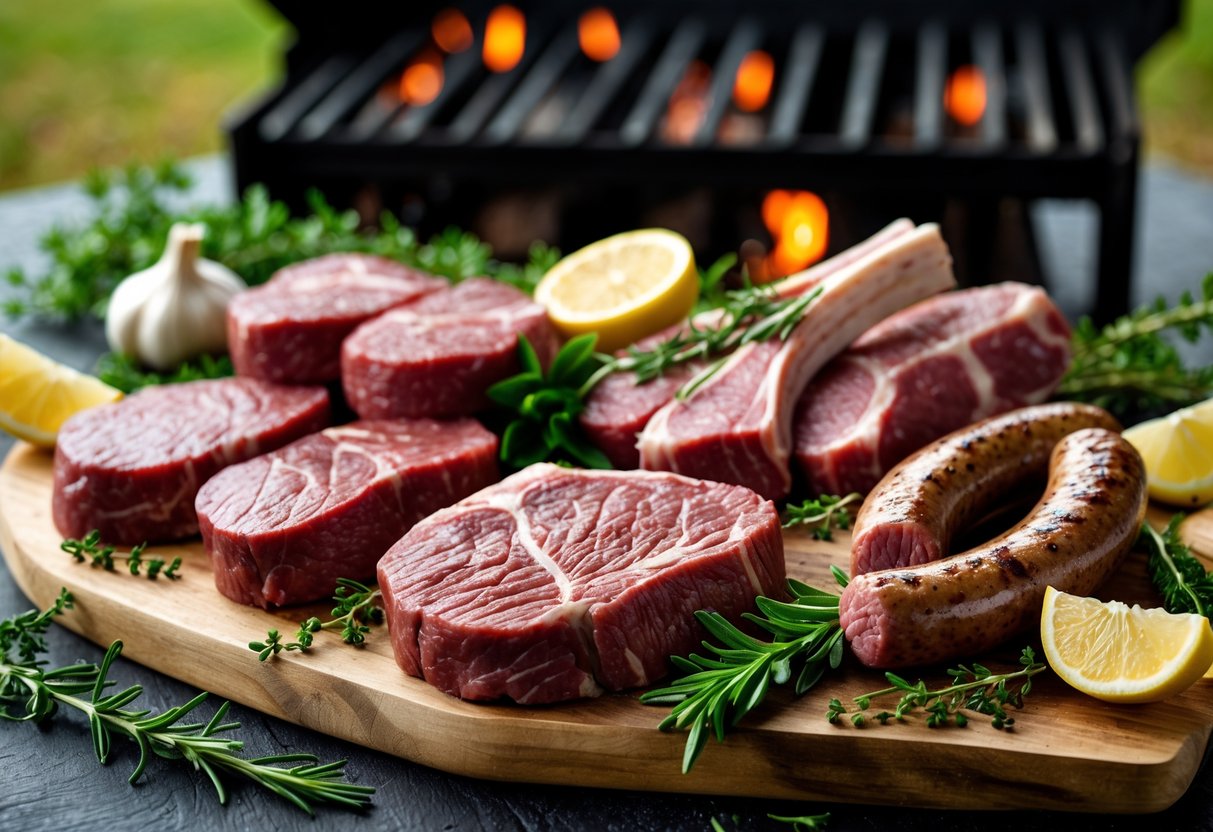
What makes Irish meats different from what you might find at a regular grocery store? They're made using traditional methods with heritage spices and quality cuts. Irish sausages use white pepper, nutmeg, and mace instead of heavy seasoning. Back bacon comes from the loin rather than the belly, making it leaner and meatier than American bacon. Even the puddings, which might seem unusual for grilling, develop a smoky depth when cooked over flames.
We'll walk you through each type of Irish meat and show you how to grill them properly. You'll learn the right cooking times, serving ideas, and what to pair with each option. Whether you're planning a summer cookout or want to try something new, these Irish meats will add variety to your grilling routine.
Key Takeaways
-
Irish meats like bangers, rashers, and puddings offer bold flavors and hold up well on the grill with minimal prep required
-
Traditional Irish beef and lamb cuts benefit from simple seasoning and medium heat to bring out their natural taste
-
Pairing grilled Irish meats with authentic sides and creating the right atmosphere makes for a memorable BBQ experience
What Sets Irish Meats Apart for Grilling
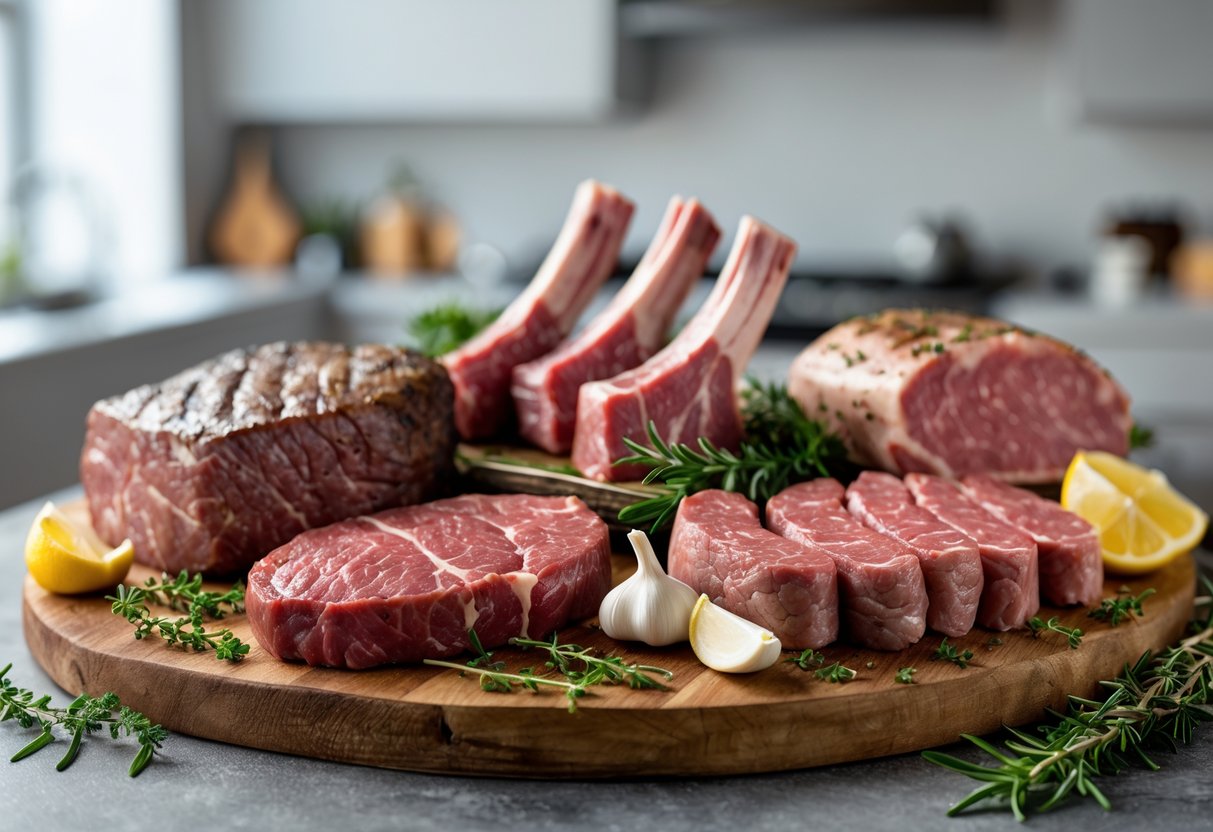
Irish meats stand out on the grill because of how the animals are raised, the quality of the cuts, and the traditional methods used to prepare them. The grass-fed diet of Irish livestock, combined with strict farming standards and time-honored butchery techniques, creates meat with better flavor and texture.
Distinctive Flavor Profiles
Irish meat has a richer, more natural taste compared to grain-fed alternatives. The flavor comes from the animals' diet of fresh grass and clover in Ireland's pastures. This creates meat with a clean, slightly sweet taste that doesn't need heavy seasoning.
Irish beef develops deep, savory notes when grilled. The natural marbling in cuts like ribeye adds moisture and intensifies the beef flavor as the fat renders over heat.
Irish lamb offers mild, tender meat without the strong gamey taste some people avoid. The young lambs graze on coastal grasses that give the meat a subtle, delicate flavor perfect for grilling.
Traditional Irish sausages use simple spice blends of white pepper, nutmeg, and mace. These seasonings enhance rather than hide the pork's natural taste.
Irish Farming and Animal Welfare Practices
We see higher standards in Irish farming that directly affect meat quality. Ireland requires outdoor grazing for cattle and sheep for most of the year. Animals spend their lives on pasture instead of in feedlots.
The temperate climate and regular rainfall create ideal growing conditions for grass year-round. This means animals eat fresh forage rather than dried hay or grain supplements.
Irish farmers follow strict animal welfare regulations set by the EU and Irish government. These rules cover living conditions, transport, and processing. Animals raised in less stressful environments produce better quality meat with improved texture.
Smaller farm sizes in Ireland allow for more attention to individual animals. Many Irish farms remain family-owned operations that have raised livestock for generations.
Grass-Fed and Premium Cuts
Grass-fed Irish beef contains higher levels of omega-3 fatty acids and vitamins compared to grain-fed beef. The meat stays lean while developing fine marbling throughout the muscle.
Premium Irish meat comes from specific breeds suited to Ireland's climate. Angus and Hereford cattle thrive on grass and produce well-marbled beef. Suffolk and Texel sheep create tender lamb with consistent quality.
The grass-fed diet affects how meat cooks on the grill. Irish beef and lamb reach ideal doneness faster than grain-fed meat because of lower fat content. The meat holds its shape better and develops a nice char without excessive dripping.
Back bacon rashers cut from the loin offer more meat and less fat than American-style bacon. These thicker cuts handle direct grilling heat without curling or burning.
Traditional Irish Butchery and Preparation
Irish butchers follow preparation methods passed down through generations. They age beef for longer periods, typically three weeks or more, which tenderizes the meat and concentrates flavor.
Traditional Irish cooking relies on simple preparation that lets the meat's quality shine. Butchers trim cuts carefully to leave just enough fat for flavor while removing excess.
Irish sausages use coarser grinds of meat than mass-produced versions. This creates better texture and allows the pork flavor to come through. Natural casings help the sausages hold together on the grill without splitting.
We find that Irish black and white pudding use traditional recipes with oats, spices, and pork. These dense sausages slice well for grilling and develop crispy edges while staying moist inside.
The butchery techniques preserve the natural structure of muscle fibers. This means steaks and chops maintain their shape and juice retention when exposed to high heat on the grill. Brands like Tommy Moloney’s often utilize these traditional methods to ensure quality.
Top Irish Beef and Lamb Cuts for the Grill
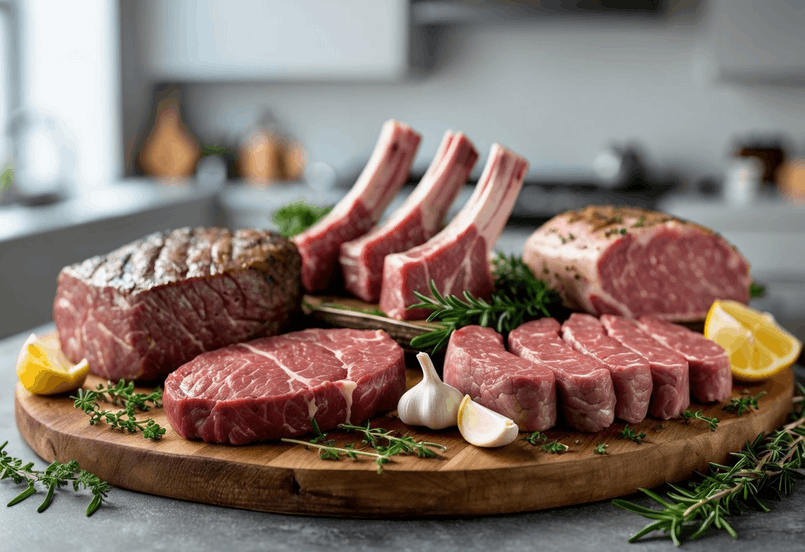
Irish beef and lamb bring exceptional flavor to the grill thanks to grass-fed farming practices and Ireland's natural grazing conditions. These premium cuts deliver rich taste and tender texture that work perfectly for high-heat cooking.
Grass-Fed Irish Beef Steaks
Irish beef comes from cattle raised on green pastures, which creates lean meat with natural marbling. The grass-fed diet gives the beef a distinct, rich flavor that stands out on the grill.
Striploin works well as a whole roast or cut into individual steaks. It has some fat covering that adds flavor during cooking. We recommend aging it for at least three weeks before grilling.
Rib of beef is the most flavorful cut you can choose. You can roast the entire rib section or cut individual ribs for the barbecue. The marbling throughout keeps the meat juicy over high heat.
Fillet is the prime cut for grilling. It's the most tender option and cooks quickly over direct heat. This cut works best when you want a leaner steak without sacrificing quality.
Grilled Irish Lamb Chops and Legs
Irish lamb gains its tender texture and sweet flavor from grazing on natural grasses and herbs. The meat has a fine grain and lean cuts that adapt well to different grilling methods.
Lamb chops are perfect for quick weeknight dinners. They cook fast over high heat and develop a nice char on the outside while staying tender inside. Season them simply with salt, pepper, and fresh herbs.
Leg of lamb makes an impressive centerpiece for larger gatherings. You can grill it whole using indirect heat or butterfly it for faster cooking. The meat stays moist and flavorful throughout the cooking process.
Lamb shoulder offers more fat and deeper flavor than other cuts. It benefits from slower cooking on the grill, which breaks down the connective tissue, creating fork-tender results.
Burgers and Flank Steaks with Irish Flair
Ground Irish beef makes superior burgers because of its balanced fat content and natural flavor. The grass-fed meat holds together well on the grill without becoming greasy or dry.
Form patties gently without overworking the meat. This keeps the texture loose and prevents tough burgers. Grill over medium-high heat for about 4-5 minutes per side.
Flank steak from Irish cattle provides a lean, affordable option for feeding groups. Marinate it for a few hours to add extra flavor and help tenderize the meat. Grill it hot and fast, then slice against the grain.
Chuck and shoulder cuts work perfectly for grinding into burger meat or cutting into chunks for kebabs. These flavorful sections have enough fat to stay juicy without being overly rich.
Essential Pork Specialties: Sausages, Bacon & Pudding
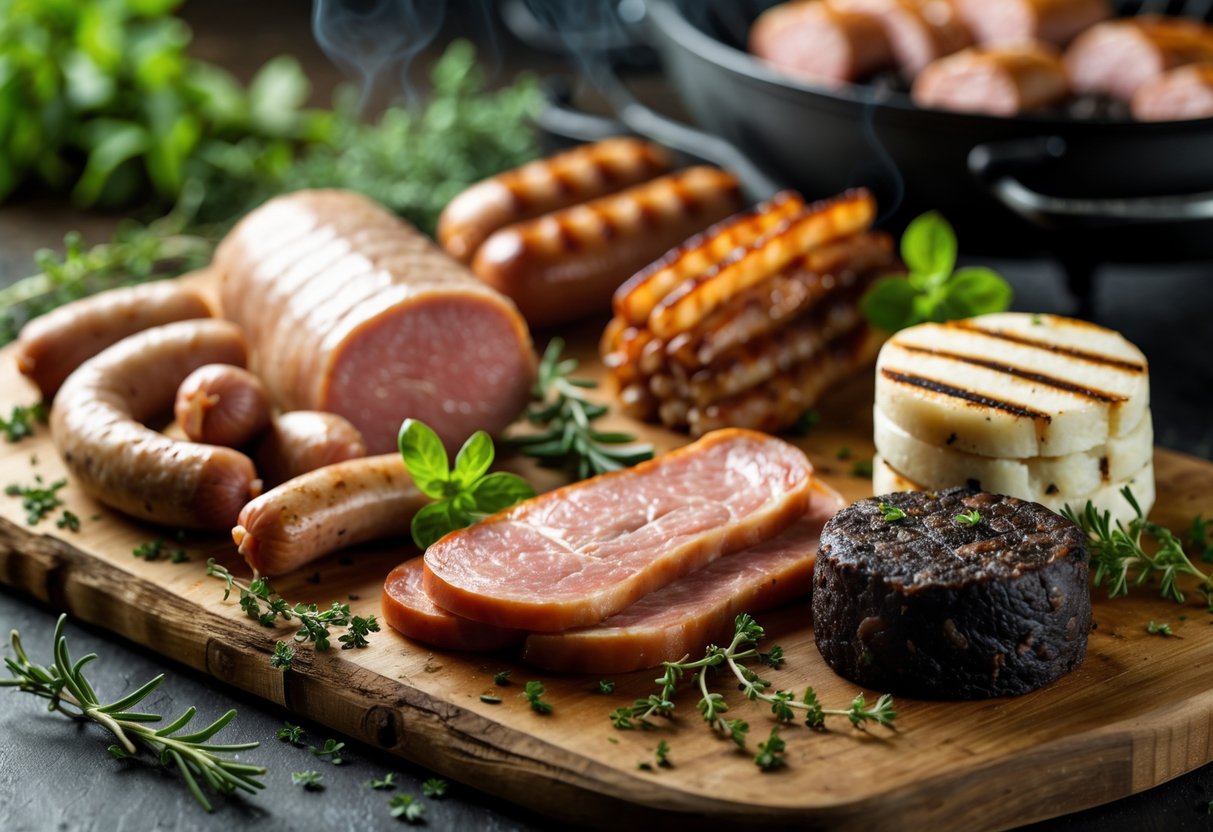
Irish pork products stand out for their traditional recipes and quality ingredients. These meats include mildly spiced sausages, thick-cut bacon rashers, and oatmeal-based puddings that deliver rich flavors perfect for the grill.
Bangers and Irish Sausages
Irish sausages, commonly called bangers, are made from premium pork cuts and seasoned with white pepper, nutmeg, and mace. These plump sausages offer a savory flavor with subtle sweetness that sets them apart from typical supermarket varieties.
The traditional recipes focus on letting the natural meat flavors shine through. We recommend grilling bangers over medium heat for 10 to 12 minutes, turning them frequently to prevent splitting.
Many authentic brands like Tommy Moloney’s use heritage spices and traditional preparation methods for their Irish sausages. They're pre-seasoned and ready to cook straight from the package, which makes prep work simple.
Back Bacon and Streaky Bacon
Back bacon rashers are cut from the pork loin, making them leaner and thicker than American-style bacon. These rashers deliver a meaty flavor with crispy edges and a tender center when grilled properly.
Irish back bacon has a better lean-to-fat ratio compared to streaky bacon. Cook rashers directly on the grill for 2 to 3 minutes per side, or use a grill tray to prevent sticking.
The thicker cut holds up well on the grill without becoming greasy. Back bacon works great in sandwiches, burgers, or served alongside grilled vegetables for a hearty meal.
Black Pudding and White Pudding
Black pudding contains pork blood mixed with oatmeal and spices, while white pudding uses oatmeal, pork fat, and seasonings without the blood. Both varieties develop a smoky depth when grilled, enhancing their natural richness.
Slice the puddings into half-inch thick rounds and grill on medium-high heat for 2 to 3 minutes per side until lightly charred. The slower cooking process prevents them from drying out or bursting.
White pudding offers a creamy texture with warming spices. Black pudding provides an earthy, savory taste. Both work well as breakfast sides or cut into smaller pieces for appetizers with grilled mushrooms and tomatoes.
Classic Irish Recipes for the Grill
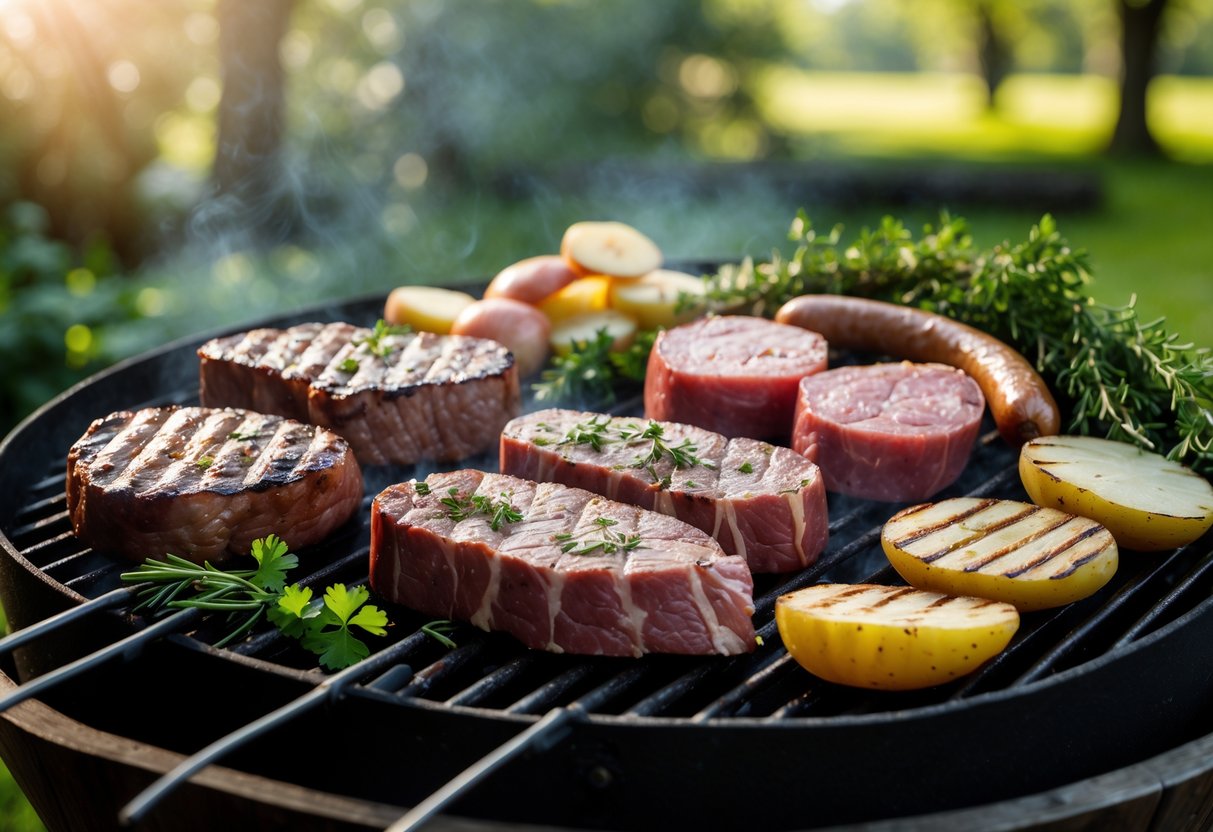
Irish corned beef gets a smoky upgrade on the grill, while traditional stew flavors translate beautifully to skewered meats and vegetables. Meat pies benefit from a charred, crispy exterior that ovens can't match.
Grilled Corned Beef
While many associate corned beef and cabbage with slow-simmering, the grill offers a unique, smoky alternative. Using this method for corned beef and cabbage creates a crisp exterior that contrasts with the tender meat inside. We start by boiling the beef until tender before finishing it on the grates.
The grill creates a caramelized crust that adds depth to the traditional recipe. We brush the meat with a mixture of brown sugar and mustard during the last few minutes of grilling. This gives us a sweet and tangy glaze that complements the salty, spiced beef.
For the cabbage, we cut it into thick wedges and brush them with olive oil. We grill these alongside the corned beef for about 4-5 minutes per side until they get nice char marks. The smoky flavor transforms this classic Irish dish into something special for outdoor cooking.
Irish Stew-Inspired BBQ
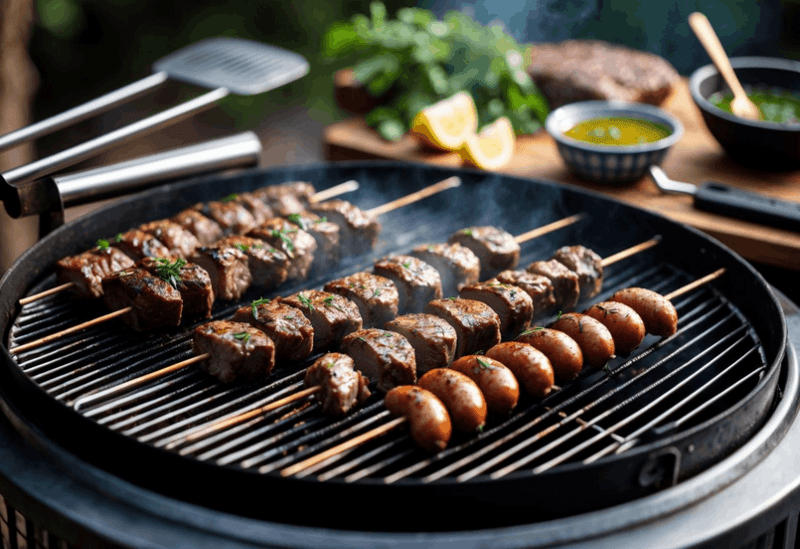
Irish stew components work perfectly as grilled skewers. We use chunks of lamb shoulder or leg, which stay tender and flavorful on the grill. The traditional vegetables like potatoes, carrots, and onions all benefit from direct heat.
We cut everything into similar-sized pieces so they cook evenly. The lamb gets a simple seasoning of salt, pepper, and fresh thyme before threading onto skewers. We alternate the meat with potato chunks and thick onion slices.
Grilling time runs about 12-15 minutes over medium heat, turning every few minutes. The lamb should reach 145°F for medium-rare. We can also grill baby carrots wrapped in foil with butter and herbs on the side. This approach gives us all the hearty flavors of traditional Irish stew with a smoky twist.
Meat Pies with a Smoky Twist
Traditional Irish meat pies adapt well to grill cooking. We make individual hand pies using shortcrust pastry filled with seasoned ground beef or lamb mixed with diced potatoes and onions. The key is keeping the pastry thick enough to hold together on the grill.
We use a cast-iron skillet or grill-safe pan placed directly on the grates. The pies cook for about 20-25 minutes over indirect heat with the lid closed. This method creates a golden, flaky crust with subtle smoke flavor throughout.
For a shortcut, we sometimes use store-bought puff pastry and pre-cooked filling. We brush the tops with beaten egg for extra browning. The bottom gets crispy from the hot pan while the filling heats through completely.
Perfect Pairings and Sides for Grilled Irish Meats
Irish soda bread and colcannon bring out the best in grilled meats while keeping things simple and traditional. These classic sides balance rich, smoky flavors with their own hearty textures and tastes.
Soda Bread and Irish Butter
A traditional Irish soda bread recipe is a staple of many Irish households. This quick bread is made with just four basic ingredients: flour, baking soda, salt, and buttermilk.
The simple soda bread recipe relies on buttermilk reacting with baking soda to create a tender crumb without yeast. This results in a dense and satisfying loaf that pairs well with hearty meats.
We find that Irish soda bread works perfectly alongside grilled bangers and rashers because it soaks up meat juices without falling apart. The slightly tangy flavor of the soda bread cuts through fatty meats while its dense texture provides substance.
Slather slices with Irish butter while they're still warm from the grill. Irish butter contains higher butterfat content (around 82% compared to 80% in regular butter), which gives it a richer, creamier taste.
The golden color comes from cows feeding on grass year-round in Ireland's climate. Toast thick slices of Irish soda bread on the grill for 1-2 minutes per side. This adds a smoky element that complements a variety of Irish recipes and premium Irish cuts of meat.
Colcannon and Potatoes
Colcannon combines mashed potatoes with cabbage or kale, creating a side dish that's both filling and flavorful. We make it by mixing boiled potatoes with cooked cabbage, milk, butter, and scallions.
This traditional Irish side pairs especially well with grilled bangers and black pudding. The creamy potatoes balance the intense flavors of the meat while the cabbage adds a slight bitterness that cleanses your palate.
For a simpler option, grill whole baby potatoes after parboiling them for 8-10 minutes. Toss them in Irish butter and fresh herbs before serving. The crispy exterior and fluffy interior work with any grilled Irish meat.
You can also prepare colcannon potato salad ahead of time by mixing cold mashed potatoes with chopped cabbage, bacon bits, and a mustard vinaigrette.
Seasonal Vegetables and Cabbage Variations
Grilled cabbage wedges are a natural match for Irish meats since bacon and cabbage is a classic Irish pairing. Cut cabbage into thick wedges, brush with oil, and grill for 4-5 minutes per side until charred.
We recommend these vegetable options for your Irish BBQ:
-
Grilled mushrooms - pair with black and white pudding on skewers
-
Cherry tomatoes - add brightness to rich sausages
-
Carrots - roast whole on the grill with honey glaze
-
Leeks - grill halved and serve with back bacon rashers
Green cabbage works best for grilling because it holds its shape under high heat. Red cabbage can be used but tends to become softer.
Season vegetables simply with salt, pepper, and Irish butter to let their natural flavors complement the meat rather than compete with it.
Hosting an Irish-Inspired BBQ: Tips and Traditions
An Irish BBQ blends traditional Irish cooking methods with outdoor grilling, creating a memorable experience for St. Patrick's Day or any summer gathering. The right planning, drink selection, and atmosphere turn a simple cookout into a celebration of Irish heritage.
Planning the Ultimate St. Patrick's Day Grill
We start by selecting meats that work well on the grill and stay true to Irish tradition. Bangers need medium heat for 10-12 minutes, turning them frequently to prevent splitting. Back bacon rashers take just 2-3 minutes per side on direct heat.
Black and white pudding add authenticity when sliced into half-inch rounds and grilled for 2-3 minutes per side. These develop a light char that brings out their savory depth.
For sides, we recommend grilled butter-brushed cabbage steaks, roasted potatoes with herbs, and thick-cut tomatoes. These complement the rich flavors of Irish meats without overwhelming them. We prepare Irish soda bread and colcannon ahead of time so we can focus on grilling when guests arrive.
Key timing tips:
-
Start the grill 15-20 minutes before cooking
-
Cook thicker cuts using indirect heat
-
Keep a spray bottle handy for flare-ups
-
Let meats rest for 3-5 minutes before serving
Irish BBQ Drinks: From Whiskey Cocktails to Irish Coffee
We pair our Irish BBQ with drinks that honor Irish traditions. An Irish Mule combines Irish whiskey, ginger beer, and fresh lime for a refreshing option on warm days. We mix two ounces of whiskey with four ounces of ginger beer and a squeeze of lime over ice.
For darker beer lovers, we serve Irish stout at 45-50 degrees to bring out its malty notes. The bold flavors match well with grilled sausages and bacon.
Irish coffee works for evening gatherings when the temperature drops. We brew strong coffee, add a shot of Irish whiskey and brown sugar, then top with lightly whipped cream. This warm drink pairs perfectly with grilled desserts or as an after-dinner offering.
We also keep non-alcoholic options like sparkling water with fresh mint or traditional Barry's tea for guests who prefer them.
Creating a Festive Atmosphere
We set the mood with checkered or linen tablecloths that give a cozy pub feel. Fresh herbs like rosemary, thyme, or parsley in small jars work as simple centerpieces that smell great and tie into the menu.
Music matters for an Irish BBQ. We create playlists with traditional Celtic folk songs mixed with upbeat pub tunes. The sounds of fiddles and flutes transport guests without overpowering conversation.
For serving, we use wooden boards and cast iron platters instead of plastic. These rustic touches make the food look more appealing and feel more authentic. We arrange meats on large boards with small bowls of mustard, relish, and grilled onions so guests can build their own plates.
String lights or lanterns add warmth as daylight fades. We keep the setup simple yet intentional, focusing on elements that enhance the meal's Irish character.
Frequently Asked Questions
Irish meats offer unique grilling opportunities thanks to grass-fed beef cuts, heritage pork options, and tender lamb varieties. Understanding the right cuts and techniques helps you get the most flavor from these quality meats.
What types of beef cuts are ideal for grilling to achieve optimal flavor and tenderness?
Sirloin, striploin, and fillet are the top choices for grilling Irish beef. These cuts deliver the best combination of tenderness and flavor when cooked over direct heat.
Striploin works well as a full roast or sliced into individual steaks. We recommend choosing cuts with some fat covering, as this adds moisture and enhances the natural beef taste. The meat should be aged for at least three weeks to maximize tenderness.
Rib of beef offers exceptional flavor and can be roasted at high heat or cut into individual ribs for the barbecue. This cut contains more marbling, which melts during cooking and keeps the meat juicy.
Season your beef with olive oil, black pepper, and balsamic vinegar before grilling. Wait until after cooking to add salt, as adding it earlier draws out moisture and makes the meat tough.
Which Irish pork cuts are recommended for barbecuing and what preparation techniques enhance their taste?
Irish back bacon rashers are the premier pork cut for grilling. These come from the back loin, making them leaner and thicker than American bacon.
Grill rashers over direct heat for 2-3 minutes per side. The cut develops crispy edges while maintaining a tender, meaty center. A grill tray helps prevent sticking and makes flipping easier.
Pork loin benefits from indirect heat to cook evenly without charring. We suggest a slower cooking approach that allows the natural flavors to develop fully.
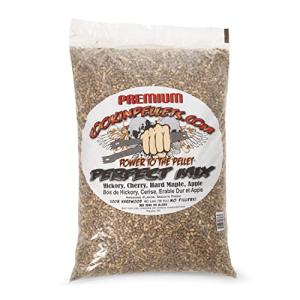
Adding applewood chips to your grill creates subtle smokiness that complements pork's richness. This technique works especially well with thicker cuts that spend more time on the grill.
Are there specific Irish lamb cuts that grill particularly well, and how should they be seasoned?
Lamb chops are the most popular choice for grilling Irish lamb. These cuts are naturally sweet and tender, requiring minimal preparation to achieve great results.
The versatility of Irish lamb means you can grill, fry, or roast it, depending on the specific cut. Chops work best over direct heat for quick cooking that seals in juices.
Keep seasoning simple to let the lamb's natural flavor shine through. A light coating of olive oil, fresh herbs like rosemary or thyme, and cracked black pepper is often all you need.
Irish lamb's grass-fed quality gives it a distinctive taste that stands up well to bold seasonings. Whiskey-based glazes or marinades pair particularly well with the meat's natural sweetness.
Can you suggest traditional Irish sausages or other processed meats suitable for grilling?
Irish bangers are essential for any authentic Irish barbecue. Brands like Tommy Moloney’s offer plump pork sausages with white pepper, nutmeg, and mace, for a savory yet subtly sweet profile.
Grill bangers over medium heat for 10-12 minutes, turning frequently to prevent the casings from splitting. The slow cooking process ensures the meat cooks through while developing a golden-brown exterior. These are best enjoyed with a slice of toasted Irish soda bread and plenty of butter.
Black and white pudding grill surprisingly well when sliced into half-inch rounds. Cook these over medium-high heat for 2-3 minutes per side until lightly charred. The grilling process adds smoky depth that enhances the traditional oatmeal and spice flavors.
These puddings make a great appetizer when served on skewers with cherry tomatoes and grilled mushrooms. They also complement breakfast-themed barbecues alongside rashers and eggs.
How does one properly grill Irish game meats to ensure they are both succulent and safe to consume?
Game meats require careful attention to temperature and cooking time. We recommend using a meat thermometer to verify the internal temperature reaches safe levels for the specific type of game.
Lower, slower heat works best for most game meats, which tend to be leaner than traditional cuts. This approach prevents the meat from drying out while ensuring thorough cooking.
Marinating game meats for several hours before grilling helps tenderize the meat and add moisture. Irish whiskey-based marinades or herb blends complement the natural flavors without overpowering them.
Resting the meat for five to ten minutes after grilling allows juices to redistribute throughout the cut. This step is particularly important for game meats, which can become tough if sliced immediately.
What grilling methods are best for Irish seafood, and are there particular species native to Ireland recommended for barbecues?
Fresh Atlantic seafood from Irish waters brings unique flavors to the grill. The cold, clean waters produce fish and shellfish with firm texture and clean taste.
Direct grilling over medium-high heat works well for most Irish seafood. We suggest 3-4 minutes per side for fish fillets and slightly longer for whole fish, depending on thickness.
Using a fish basket or grilling plank prevents delicate seafood from sticking or falling through grates. These tools make flipping easier and help maintain the fish's shape.
Season Irish seafood simply with lemon, butter, and fresh herbs. The natural flavors are delicate, so heavy seasoning can overpower the taste. A light brush of olive oil prevents sticking and helps create appealing grill marks.
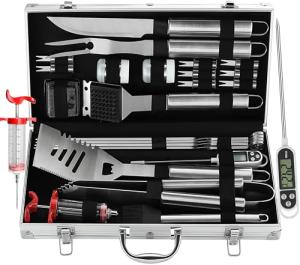
Grilljoy 24-Piece BBQ Tools Set with Thermometer
Everything you need for the ultimate grilling experience, from flipping burgers to checking that perfect steak temperature
Product information
$32.99 $29.99
Product Review Score
4.8 out of 5 stars
22 reviewsProduct links
DISCLAIMER
This document is provided for general information purposes only and should not be relied upon as providing legal advice, technical, or specific operational guidance to the reader, whether as to the practices described in the document or the applicable legal requirements and regulations. outdoorgrillguide.com expressly disclaims any responsibility for liability arising from or related to the use or misuse of any information in this document.
DISCLAIMER
This document is provided for general information purposes only and should not be relied upon as providing legal advice, technical, or specific operational guidance to the reader, whether as to the practices described in the document or the applicable legal requirements and regulations. outdoorgrillguide.com expressly disclaims any responsibility for liability arising from or related to the use or misuse of any information in this document.