How to Grill a Beef Tenderloin: The Ultimate Step-by-Step Guide
Grilling beef tenderloin sounds intimidating, right? But honestly, it's one of the easiest ways to cook this premium cut of meat.
To grill a beef tenderloin, just build a two-zone fire for indirect heat. Sear the meat over high heat for about 2 minutes per side, then move it to the cooler zone until it hits 120°F for rare or 130°F for medium-rare.
Once you finish searing, this tender cut cooks in about 20 minutes.
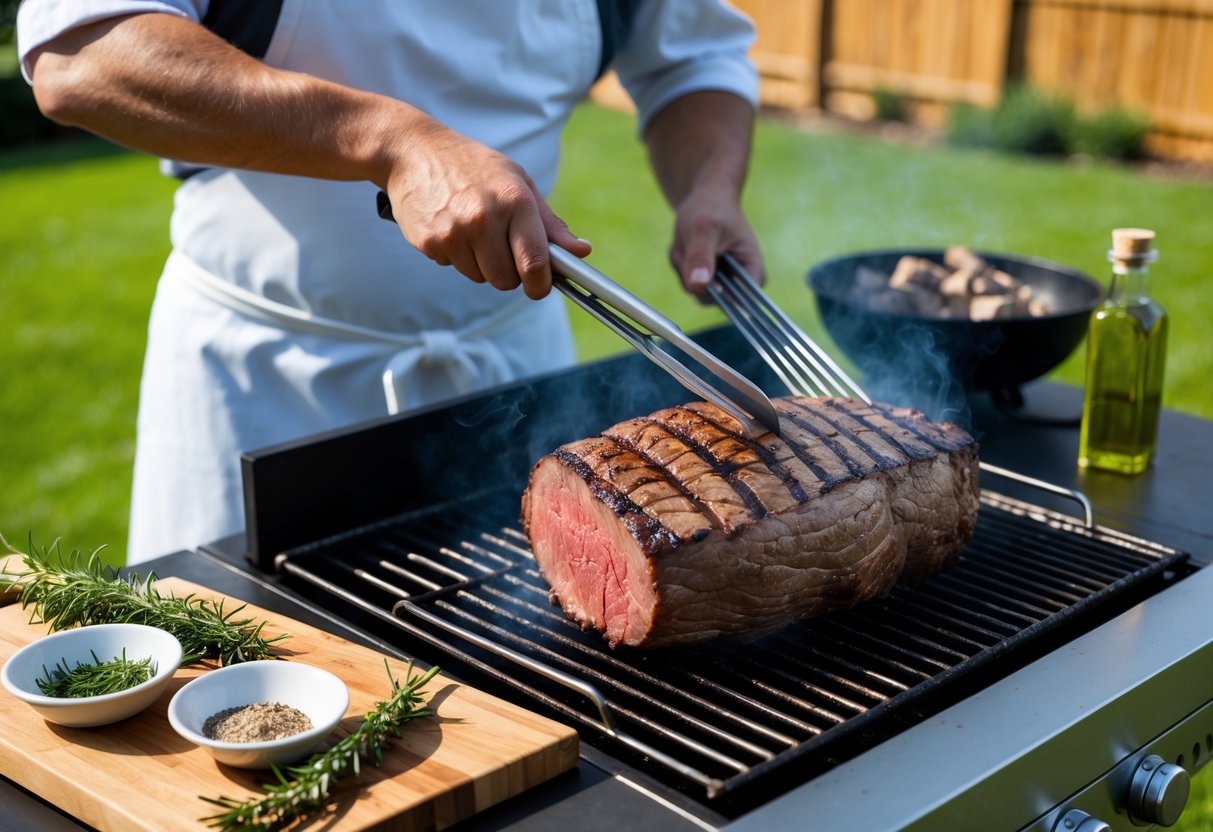
Beef tenderloin comes from a muscle that barely gets any action on the cow, so it's crazy tender. But since it doesn't have much fat, it can dry out fast if you don't watch your cooking method.
The grill brings a smoky flavor and keeps it juicy—kind of the perfect combo for this lean cut.
I've grilled a bunch of tenderloins over the years. Once you get the hang of a few tricks, it's honestly pretty straightforward.
From picking the right meat to nailing that medium-rare center, I'll walk you through it so your grilled beef tenderloin turns out great every single time.
Key Takeaways
- Build a two-zone fire and sear the tenderloin on all sides before moving it to indirect heat
- Use an instant-read thermometer and pull the meat at 120°F to 130°F for the best results
- Let the tenderloin rest for 10 to 15 minutes after grilling to retain its juices
Understanding Beef Tenderloin
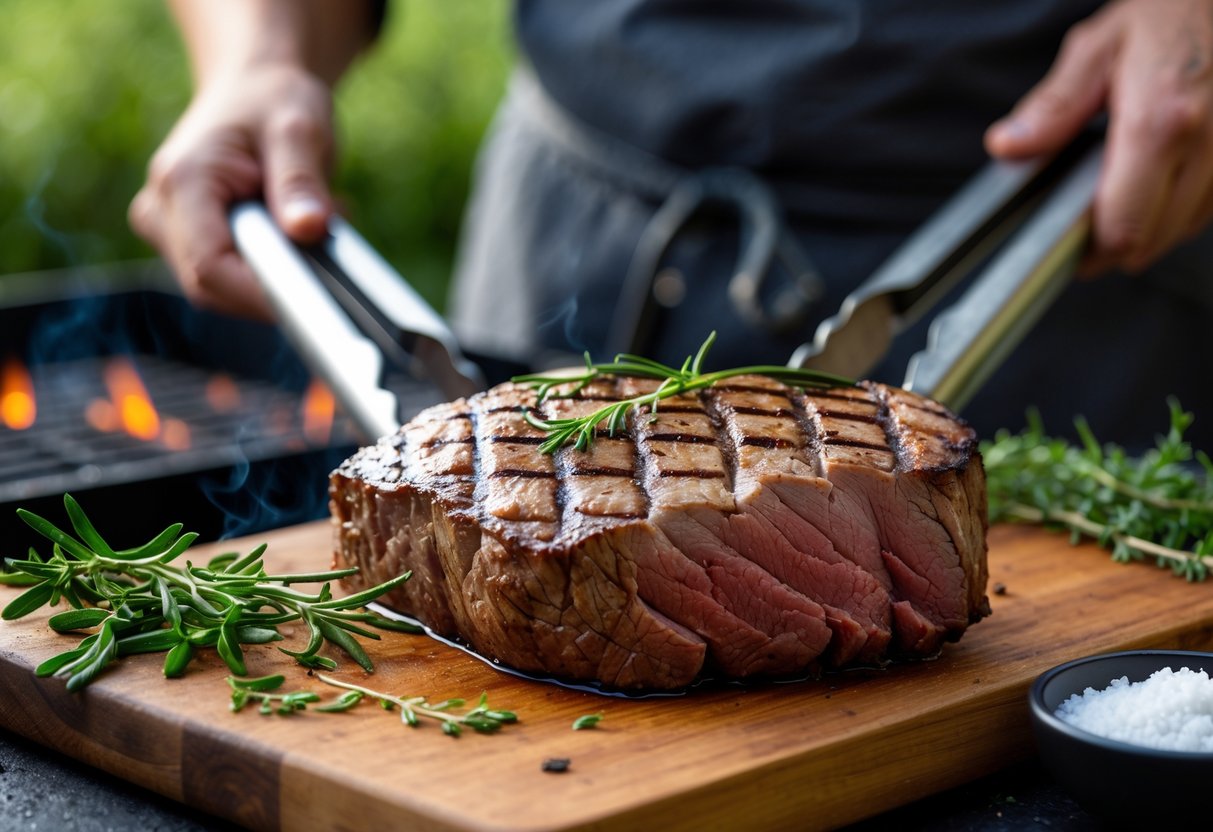
Beef tenderloin really stands out as one of the most prized cuts of beef. This muscle runs along the cow’s spine and has a texture that’s just different from everything else.
What Is Beef Tenderloin?
Beef tenderloin comes from the loin section, right from a muscle that barely moves. That’s why it’s so tender.
The tenderloin sits under the ribs, right next to the backbone. I think it’s unique because there’s almost no fat marbling or connective tissue at all.
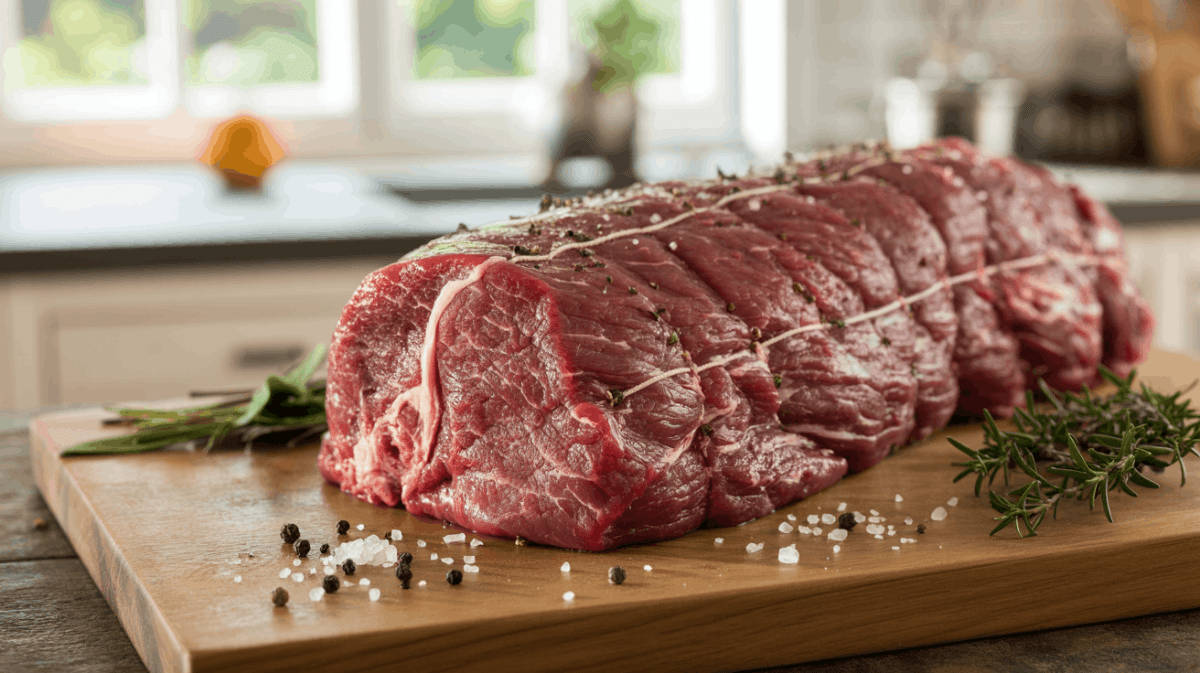
The muscle tapers from a thick “butt” end down to a skinny tail end. A whole beef tenderloin usually weighs somewhere between 4 and 7 pounds before you trim it.
Since there’s not much fat, you have to rely on good cooking for flavor. If you buy an untrimmed one, you’ll spot a silvery membrane (called silverskin) that you’ll need to remove before cooking.
Different Cuts: Whole, Filet Mignon, Chateaubriand
You can cut a whole beef tenderloin into a bunch of different portions. Each part is a little different depending on thickness and where it sits.
Filet mignon comes from the smaller, tapered end. These steaks are about 1 to 2 inches thick and usually weigh 6 to 8 ounces each.
I’d say filet mignon is the most famous cut from the tenderloin.
Chateaubriand is the center-cut section, usually 1 to 2 pounds, and it’s the thickest, most uniform part. It’s traditionally meant for two people.
The butt end gives you bigger steaks, but they’re still super tender. Some butchers also sell tips from the tail section. Buying a whole tenderloin lets you portion it how you want, and it’s usually cheaper than buying pre-cut steaks.
Why Grill Beef Tenderloin?
Grilling really brings out the natural flavors of beef tenderloin. High heat and smoke are perfect for this lean cut.
I love how grilling makes a flavorful crust outside while the inside stays tender and juicy. That crispy crust and soft center—yeah, that’s the good stuff.
Direct heat from the grill adds char and depth you just can’t get in the oven. This cut cooks in about 20 minutes if you do it right, so it’s actually pretty doable for special occasions.
The mild flavor pairs well with smoke from wood chips or charcoal. Since there’s barely any fat inside, your cooking method matters a lot more than with other cuts.
Grading and Quality Factors
The USDA grades beef by marbling and age: Prime, Choice, and Select. Prime has the most marbling, but tenderloin doesn’t have much fat anyway.
I usually go for Choice or Prime grade. Look for bright cherry red meat, not brown or gray. Fresh tenderloin should feel firm and smell clean, not funky.
What I check for:
- Even thickness all the way through
- Not much surface moisture
- Nice, tight grain texture
- Bright red color, no dark spots
Grass-fed vs. grain-fed changes the flavor and texture. Grain-fed beef is usually more tender and has a milder taste. Age makes a difference, too—dry-aged tenderloin gets deeper flavor but costs a lot more. The best stuff comes from butchers who know where their beef comes from and how it’s handled.
Selecting and Preparing the Beef Tenderloin
Getting the right whole beef tenderloin and prepping it properly is honestly what makes the difference. The cut you pick, how you trim it, and the way you tie it all impact how evenly it’ll cook on the grill.
How to Choose the Best Cut
I always go for Choice or Prime grade when I buy a whole beef tenderloin. These have more marbling, which helps with flavor since tenderloin doesn’t have much fat to begin with.
If you want to save some cash, ask for a PSMO tenderloin. PSMO means Peeled, Silver Skin, and Side Muscle Left On. It’s cheaper than a fully trimmed tenderloin, and you get some extra bits for other recipes.
When picking out beef tenderloin, I look for one weighing 5 to 7 pounds. The meat should be bright red with a little marbling. I like to ask my butcher for Angus or heritage breeds—they usually taste better.
Trimming and Cleaning
I start by taking off the side muscle that runs along the tenderloin. It’s pretty easy to spot, and you can pull it away with a sharp knife.
Next, I trim off any visible fat. Then I deal with the silver skin—a thin, shiny layer that just doesn’t break down when you cook it.
I slide my knife under the silver skin and gently work it off, trying not to lose any meat. A sharp knife and some patience go a long way here.
I hold the silver skin tight with one hand and cut with the other. That way, I don’t accidentally slice off too much beef.
Tying for Even Cooking
The thin end of a whole tenderloin cooks way faster than the thick center. If you don’t do anything, the skinny part dries out before the middle’s even close to done.
I fold the thin end under itself by about 2 inches to even out the thickness. Then I tie it up with butcher’s twine every 2 inches or so.
Where I tie:
- First tie goes at the folded end
- More ties every 2 inches
- Extra ties if there are any loose bits from trimming
The twine keeps everything snug but not so tight that it digs into the meat. You just want it to hold the shape.
Bringing to Room Temperature
I pull my beef tenderloin out of the fridge at least 45 minutes before grilling. Letting it come up to room temp helps it cook more evenly.
I salt the meat as soon as it comes out. The salt soaks in while it rests, making it taste better and stay juicy. I use about a teaspoon of kosher salt per pound.
I put the salted tenderloin on a wire rack over a baking sheet so air can get all around it. It’s handy because I can get the grill ready while the meat sits, and everything’s good to go at the same time.
Seasoning and Flavoring
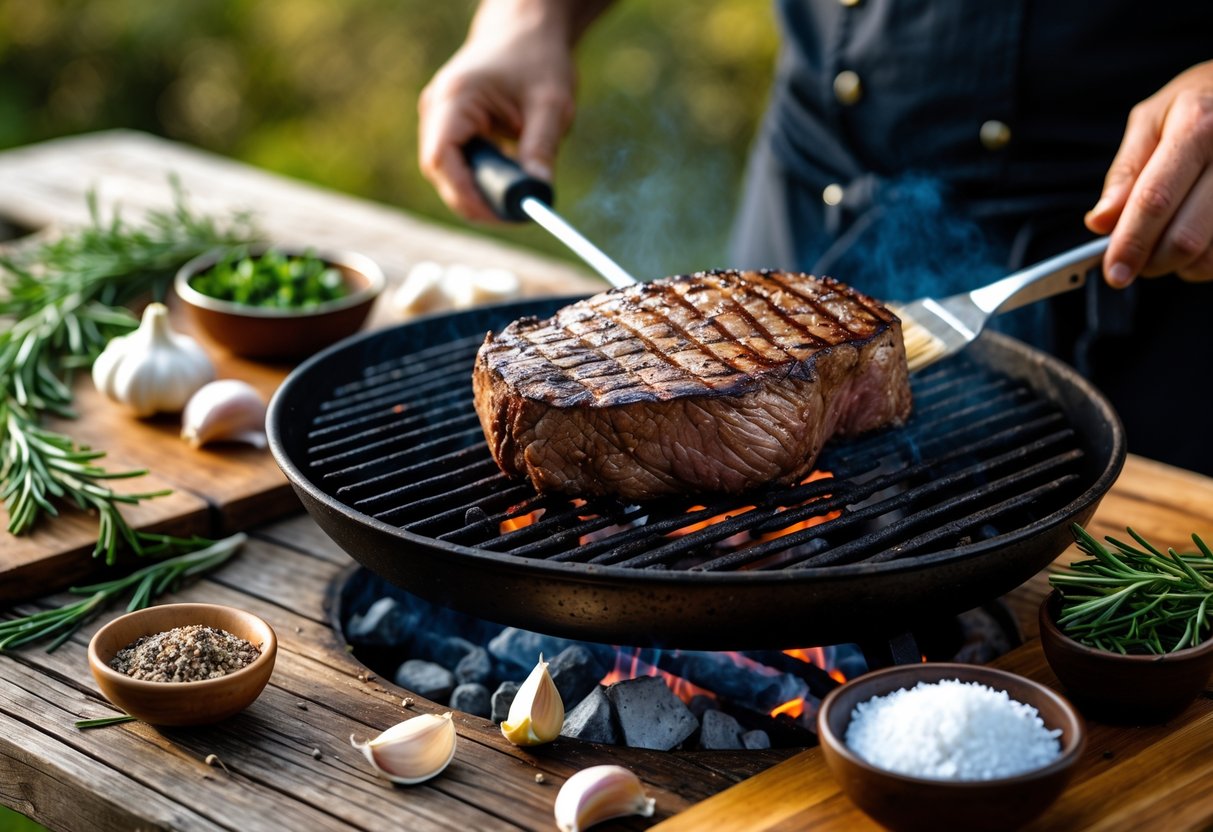
Beef tenderloin’s got a pretty mild flavor, so it really benefits from good seasoning. Salt and pepper work, but marinades and compound butters add a little extra without hiding the meat’s natural taste.
Classic Seasonings and Rubs
I like a simple blend of rosemary, salt, pepper, and garlic powder. It brings out the beefiness without taking over.
I use coarse salt and plenty of black pepper as my base. I press the seasonings into the meat so they actually stick while grilling.
Fresh herbs like rosemary and thyme are awesome for adding aroma. For a dry rub, I mix garlic powder, onion powder, paprika, and black pepper in a bowl, then rub the tenderloin with olive oil before adding the spices. The oil helps the rub stick and helps with browning on the grill.
Marinades and Flavor Enhancements
Marinades add moisture and flavor to tenderloin, but honestly, I keep the marinating time pretty short. This cut's already tender, so 30 minutes to 2 hours is plenty—any longer and the texture just gets weird.
A soy ginger marinade with soy sauce, fresh grated ginger, minced garlic, honey, and sesame oil hits all the right notes. That salty-sweet combo just works with beef. I always wipe off extra marinade before grilling to dodge flare-ups.
If I'm craving something brighter, I'll use lemon zest, olive oil, black pepper, and garlic. The citrus cuts through the richness without making things heavy. I skip lemon juice for longer marinades, though—too much acid makes the surface mushy, and nobody wants that.
Compounds and Sauces
Compound butters are my go-to for adding richness while the meat rests. I mash up softened butter with minced garlic, chopped fresh herbs, and a pinch of salt. Drop a pat on the hot tenderloin and let it melt—it’s simple but so good.
Creamy horseradish sauce is another classic. I just mix sour cream, prepared horseradish, Dijon mustard, and a bit of lemon juice. That sharp, tangy kick really balances out the beef.
I always serve sauces on the side. Let people decide how much they want—some folks like things plain, others go wild. If I’m feeling fancy, I’ll brush on a bourbon glaze during the last few minutes of grilling for a sweet, caramelized crust.
Equipment and Grilling Setup
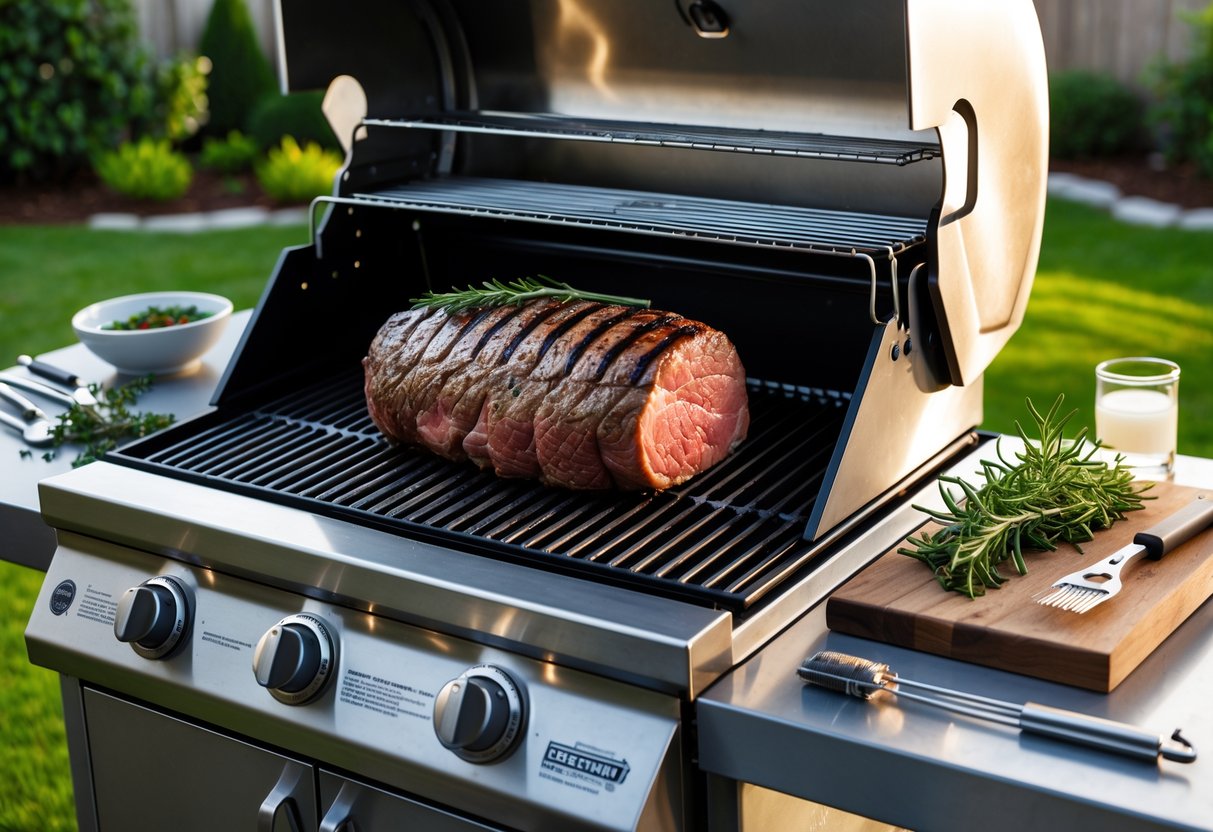
To grill beef tenderloin right, you need a few key tools and the right grill setup. A meat thermometer is non-negotiable for checking doneness. Setting up zones for indirect grilling saves this lean cut from overcooking.
Essential Grilling Tools
I always start with a solid grill, gas or charcoal. Gas grills make temperature control a breeze, but charcoal gives you that smoky flavor.
An instant-read thermometer is my must-have. It takes the guesswork out and keeps me from ruining an expensive piece of meat.
Here’s what else I keep close:
- Long-handled tongs for flipping the meat without stabbing it
- Grill brush for getting the grates clean
- Aluminum foil to rest the meat after grilling
- Basting brush for slathering on butter or marinade
- Heat-resistant gloves—trust me, you’ll need them
A drip pan comes in handy with indirect grilling. It catches drips and helps avoid flare-ups that scorch the outside.
Setting Up for Indirect Grilling
I always go for a two-zone fire with tenderloin. Sear over high direct heat, then finish on lower, indirect heat.
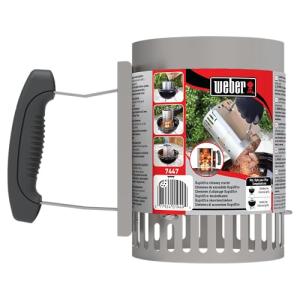
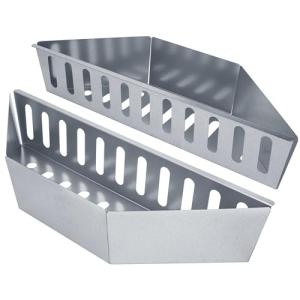
On a gas grill, I crank one side to high (450°F to 500°F) and leave the other side at medium-low. For charcoal, I pile the coals on one side and leave the other empty.
The indirect zone is where the tenderloin finishes cooking after the sear. This way, the outside doesn’t burn while the inside comes up to temp. I usually stick a drip pan on the cool side to catch juices.
Preparing the Grill Surface
I clean the grates with a grill brush before every cook. Old gunk makes food stick and tastes gross.
After scrubbing, I oil the grates with tongs and a paper towel dipped in vegetable oil. This helps keep things from sticking and gives you those nice grill marks.
I let the grill preheat for 10 to 15 minutes with the lid closed. That burns off any leftover residue and gets the surface hot enough to sear.
Step-by-Step Grilling Instructions
Grilling beef tenderloin is all about that two-zone method: sear over high heat, then move to a cooler spot to finish. I rely on an instant-read thermometer to nail the perfect doneness every time.
How to Grill Beef Tenderloin Over Direct Heat
I preheat the grill to 450°F to 500°F on one side and oil the grates so the tenderloin doesn't stick.
I lay the beef tenderloin right over the hot zone. The goal is a deep brown crust on every side. I sear each side for 4 to 5 minutes, rolling the meat around to cover all surfaces.
The whole searing process takes maybe 15 to 20 minutes. I keep an eye out for flare-ups—if flames get crazy, I move the meat for a second. That crust really locks in the juices and amps up the flavor.
I never press down on the meat. That just squeezes out all the good stuff.
Finishing with Indirect Heat
Once I’ve got a crust, I move the tenderloin to the indirect heat zone, where it’s about 350°F to 400°F. Lid goes down to trap the heat.
How long to grill beef tenderloin depends on size, but a 4 to 6 pound roast usually needs 20 to 40 minutes. I check the temp every 10 minutes and flip it once halfway through.
I tweak the burners or add charcoal to keep the heat steady. If I want smoky flavor, I toss in some wood chips now. Sometimes I add a drip pan with water under the meat to keep things moist and catch drippings.
Using a Meat Thermometer for Doneness
I stick my instant-read thermometer into the thickest part of the tenderloin, steering clear of fat pockets. The probe should hit the center for a true reading.
Target temps:
- Rare: 120°F to 125°F
- Medium-rare: 125°F to 130°F
- Medium: 135°F to 140°F
I pull the meat off the grill when it’s about 5°F under my target temp. Carryover cooking will bump it up another 5 to 10 degrees while it rests. I tent the tenderloin loosely with foil and let it chill for 15 to 20 minutes before slicing.
Resting, Slicing, and Serving
After grilling, beef tenderloin absolutely needs a rest before you slice it. That gives the juices time to settle back in, and you’ll get cleaner, juicier slices.
Resting for Juiciness
I always rest my beef tenderloin for 10 to 15 minutes after it comes off the grill. This is key—resting lets juices move evenly through the meat.
During this break, carryover cooking bumps the temp up by 5 to 10 degrees. If I take it off at 125°F for medium-rare, it hits 130-135°F while resting.
I just tent the meat with foil—not too tight, or it steams and the crust gets soggy. Resting also makes slicing way easier since the meat firms up a bit.
Slicing Against the Grain
I snip off the butcher’s twine before slicing. Then I cut the tenderloin into thick medallions or steaks, about 1.5 to 2 inches wide.
I always slice against the grain—that’s perpendicular to the muscle fibers. Makes every bite more tender. On tenderloin, the grain runs lengthwise.
Use a super sharp knife and go for smooth, single strokes. Sawing just tears the meat. Each slice should show off a pink center and a nice crust.
Perfect Sauces and Sides
I love a creamy horseradish sauce for a punchy, tangy contrast to the beef. Just mix sour cream, horseradish, Dijon, and a little salt.
Red wine reduction is another classic, if you want to go that route. For sides, I’m all about:
- Roasted Brussels sprouts
- Garlic mashed potatoes
- Grilled asparagus
- Sautéed mushrooms
I lay the sliced medallions on a warm platter and let everyone dive in. It looks awesome, especially with that perfect pink center showing.
Tips for Perfect Results
Getting beef tenderloin right on the grill is really about avoiding a few common mistakes and sticking to what works. Temperature control and timing are everything.
Common Mistakes to Avoid
The biggest mistake? Throwing cold meat straight on the grill. I always let my tenderloin sit out for 45 minutes to an hour first—room temp helps it cook evenly.
Searing too early can mess things up. If you sear large cuts first, the muscle fibers tighten and push out moisture, making the beef dry. I go with a reverse sear instead.
Other pitfalls to dodge:
- Skipping the meat thermometer and guessing on doneness
- Slicing right after grilling without resting
- Using direct high heat the whole time
- Not trimming off extra fat and silver skin before you start
Expert Grilling Tips
When I grill beef tenderloin, I set up for indirect heat at 275-300 degrees. The meat sits in the center, away from the flames.
I toss in some apple wood chips for a sweet, smoky vibe that really lifts the beef. I roast the tenderloin until it's about 85% done, then flip to a reverse sear for 3-4 minutes per side in those last 8-10 minutes.
Once it comes off the grill, I let the beef rest for 15-20 minutes. This gives the juices time to settle back in.
For seasoning, I go with two parts pepper to one part salt. It makes a nice crust but doesn't drown out the beef's own flavor.
Storage and Leftovers
Storing grilled beef tenderloin right keeps it safe and tasty for a few days. I always cool the meat quickly and stash it in airtight containers to hang on to that flavor and moisture.
Refrigerating and Freezing
After grilling, I let the beef tenderloin cool to room temp within two hours. Once it's cool, I wrap it up tight in foil or plastic, then into an airtight container it goes.
Leftovers will keep for up to three days in the fridge at 40°F or lower. If I plan to use it for sandwiches or salads, I slice it before storing. Makes life easier later.
For longer stashes, I freeze portions for up to three months. I wrap each piece in plastic, then foil, just to keep freezer burn away. I scribble the date on each package so I know what’s what.
When I want to use frozen tenderloin, I just thaw it overnight in the fridge. That slow thaw keeps things juicy—way better than rushing it.
Reheating for Best Flavor
Gently reheating beef tenderloin is key to keeping it tender. I like a low oven, maybe 250°F to 275°F.
I lay out sliced tenderloin in a baking dish, splash in a little broth or water, and cover it with foil. The steam keeps everything from drying out. Usually, 10 to 15 minutes does the trick, until it hits 110°F to 120°F inside.
If I need it fast, I go for the stovetop on medium-low with a dab of butter or oil. Thin slices warm up in about a minute or two per side. Honestly, cold tenderloin in salads or sandwiches is great too—no need to reheat and you still get that tender texture.
Frequently Asked Questions
Grilling beef tenderloin always brings up questions about temps, timing, and technique. Getting the heat right, knowing how size changes things, and nailing the seasoning all help you end up with a killer roast instead of a dry letdown.
What grill temperature should I use for beef tenderloin to reach the desired doneness?
For searing, I crank my gas grill to medium-high, about 400°F. That’s how you get a good crust without overcooking inside.
After searing, I shift to indirect heat on the cooler side. I shoot for 120°F inside for rare, 130°F for medium-rare.
I never go past medium with tenderloin—there isn’t enough fat to keep it juicy. A meat thermometer is honestly your best friend here.
How long should I grill beef tenderloin per pound, and how does thickness affect timing?
For steaks, I usually grill each side 4-5 minutes over direct heat. Total time depends on thickness and weight.
With a whole roast, I sear all four sides, about 2 minutes each, then move it to indirect heat for 15-25 minutes until it hits the right temp.
Thicker cuts always need more time. I check internal temp instead of just watching the clock—every tenderloin is a little different.
What is the best method for grilling beef tenderloin on a gas grill, including searing and finishing?
I pull the tenderloin out of the fridge and salt it at least 45 minutes ahead. That helps it come to room temp and cook more evenly.
Right before grilling, I rub on a little oil and black pepper. I sear each side for about 2 minutes to get that crust going.
After searing, I move it to the cooler side, cover, and turn it once while it cooks. When the temp’s right, I pull it off and let it rest 10-15 minutes before slicing. That’s the hardest part—waiting.
How do I grill beef tenderloin on a charcoal grill while maintaining steady heat?
I set up a two-zone fire, piling most of the coals on one side. That way, I have a hot zone for searing and a cooler side to finish it off.
I sear the tenderloin on the hot side, all four sides, then move it to the cooler area and cover the grill.
I keep an eye on the temp by adjusting the vents. More airflow means more heat, closing them cools things down. It’s a bit of a balancing act, but worth it.
What marinade or seasoning works best for grilled beef tenderloin without overpowering the flavor?
I keep it simple—just salt and black pepper. Tenderloin’s mild, buttery flavor really doesn’t need much else. Salting 45 minutes ahead lets it soak in and bring out the best in the meat.
A thin coat of oil helps with browning and keeps the lean meat from drying out. I usually skip heavy marinades or strong spices; they just hide the good stuff.
If I’m in the mood for extra flavor, I’ll add it after grilling with a simple compound butter or a light sauce. The grill brings plenty of flavor from the smoke and char anyway.
How can I keep beef tenderloin juicy on the grill and avoid common mistakes that dry it out?
I always go for Choice or Prime grade beef tenderloin. There's just more marbling in those cuts, and honestly, that extra fat really keeps things moist while grilling.
After a quick sear, I switch to slow cooking over indirect heat. Direct high heat the whole time? No way—tenderloin just dries out way too fast without much internal fat to protect it.
I usually pull the meat off the grill when it's about 5 degrees below my target temp. The temperature creeps up a bit while it rests, so taking it off early helps avoid overcooking.
Letting it rest for 10-15 minutes is key. That way, the juices have time to settle back in instead of ending up all over the cutting board when I slice it.