
Why Food Became Part of America’s July 4th Celebration
Every Fourth of July, you probably find yourself standing near a hot grill, cold drink in hand, waiting on burgers or hot dogs while someone sets out a big bowl of potato salad. That scene feels as American as the holiday itself.
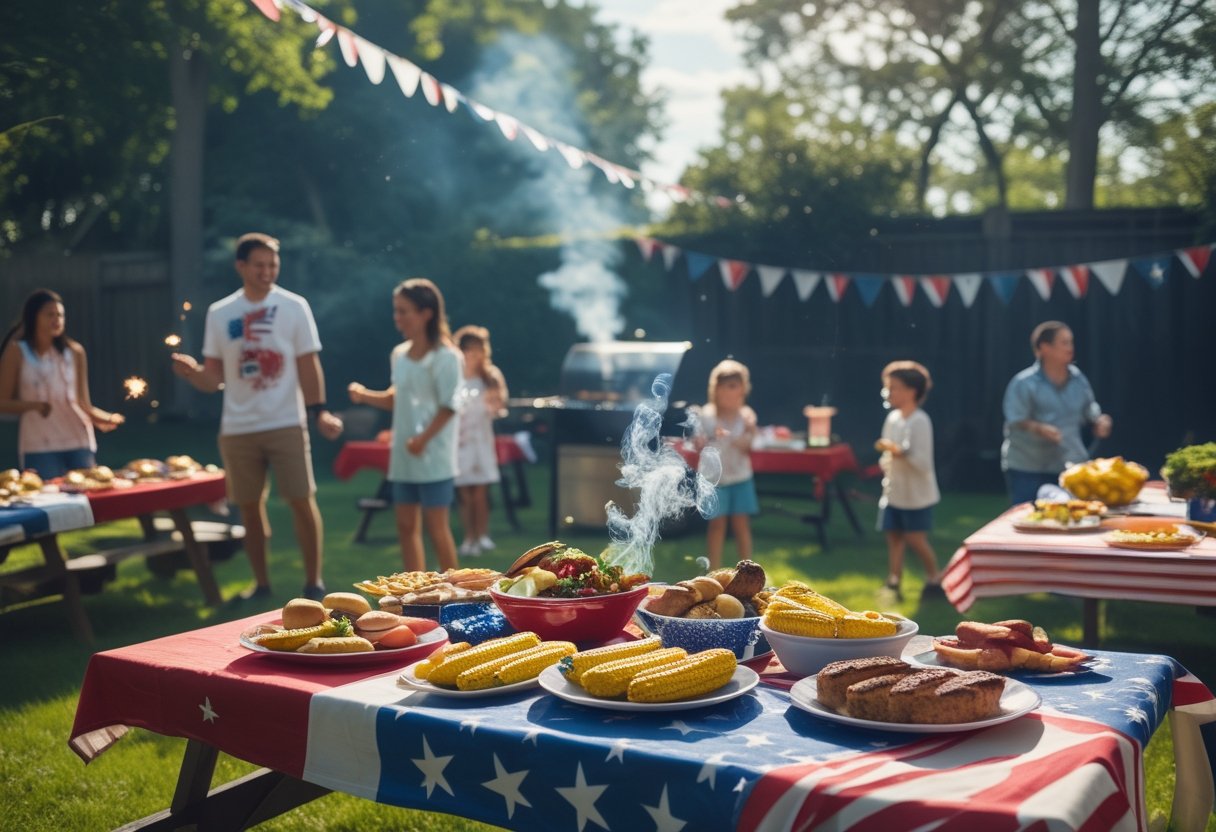
The backyard barbecue has become so tied to Independence Day that it is hard to imagine the holiday without it. But that connection did not happen overnight. It took more than two centuries of changing food culture, immigration, suburban life, and good old American appetite to get from the Founding Fathers' tavern feasts to your cooler full of hot dogs.
Tracing the history of Independence Day cookouts means looking at where the food came from, who cooked it, and why certain dishes stuck. The story is messier and more interesting than most people expect.
How July 4th Feasts Became Cookouts
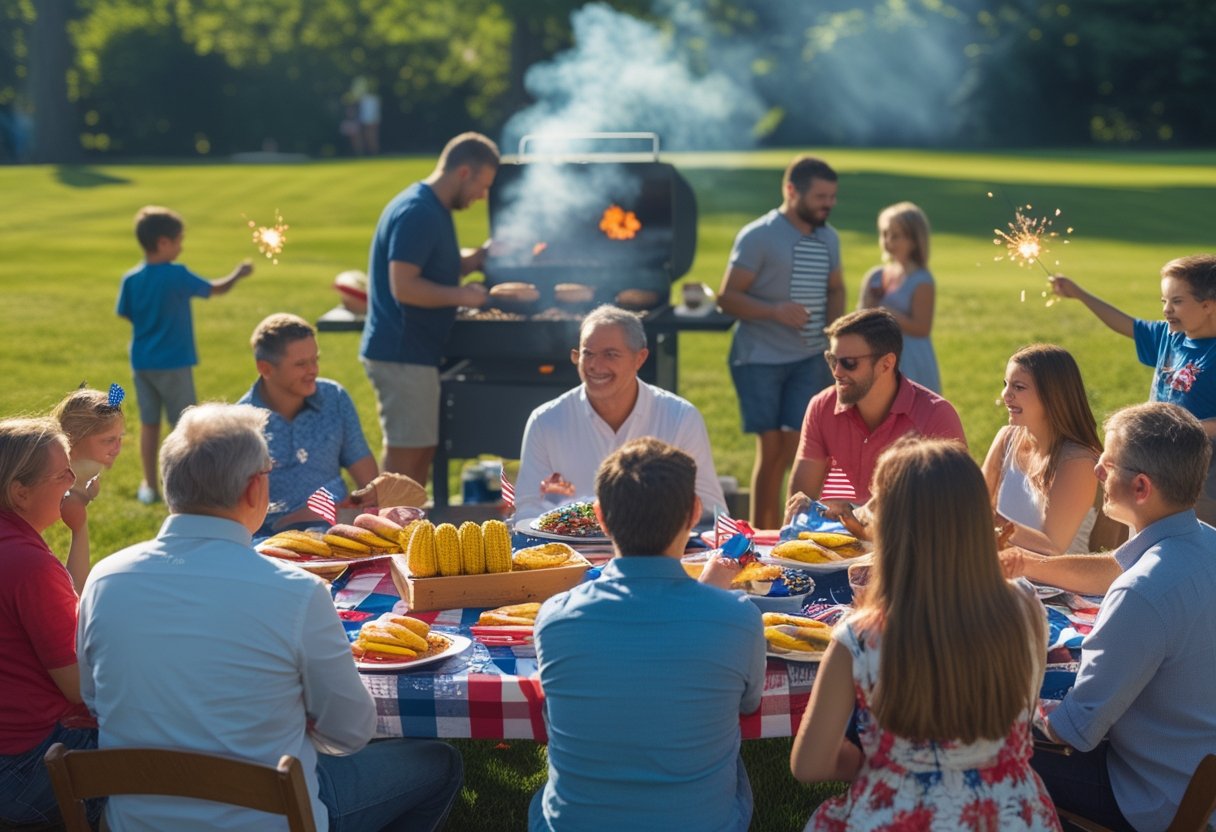
The first Independence Day celebrations did not look much like a modern Fourth of July cookout. Still, food and communal eating were central from the very beginning.
In 1777, Philadelphia hosted an official dinner for the Continental Congress, complete with toasts, music, and fireworks. According to historical records for Independence Day, ships in port were decorated with red, white, and blue bunting. The celebration already had a festive, public character that revolved around gathering and eating together.
During the early years of the American Revolution, Independence Day was often the biggest community festival of the year. Public barbecues, where whole animals were roasted over open fires, were a natural fit. Cooking for a crowd outdoors was practical. It was also a way to signal abundance and community pride.
As the founding fathers' generation established the holiday's customs, outdoor feasts became standard. These were not small backyard gatherings. They were large civic events, sometimes feeding entire towns.
By 1870, Congress made July 4th a federal holiday. That change gave working Americans a guaranteed day off. Over time, the big public barbecue slowly shifted toward smaller, private gatherings. Suburban growth in the mid-20th century, combined with the rise of the backyard grill, pushed the tradition further into the home.
The result is what you see today: millions of American households firing up grills on the same afternoon, celebrating a holiday that has always been built around food, fire, and people eating together outside.
What Early Americans Actually Ate In 1776
If you could travel back to July 4, 1776, your cookout menu would look nothing like what you are planning this summer. The foods on colonial tables were shaped entirely by what was local, seasonal, and available.
According to food historians, the Founding Fathers likely enjoyed dishes like turtle soup, poached salmon with egg sauce, and oyster gumbo at early celebrations. These were considered elegant and festive. Turtle soup, in particular, was a high-status dish at tavern dinners of the era.
Wealthy households also had access to salmon mousse and crabmeat casserole, both of which used locally caught seafood common in the Mid-Atlantic region. For dessert, apple pandowdy was popular, a baked apple dish closer to a cobbler than a modern pie.
Early Americans ate what was available locally, which meant the menu varied significantly by region. In coastal cities like Philadelphia, fresh seafood dominated. In rural areas, the table leaned on venison, stewed vegetables, cornbread, and preserved meats.
What you will not find anywhere on that 1776 table is a hot dog, a cheeseburger, or a bag of chips. Those are entirely modern additions. Even grilled corn on the cob as a cookout staple came much later.
One important detail that often gets overlooked: much of the food at those early celebration feasts was prepared by enslaved people and indentured servants. The cooks behind those elaborate colonial menus rarely received credit or acknowledgment. That context matters when you trace how American food traditions developed.
Why Barbecue Took Over The Holiday
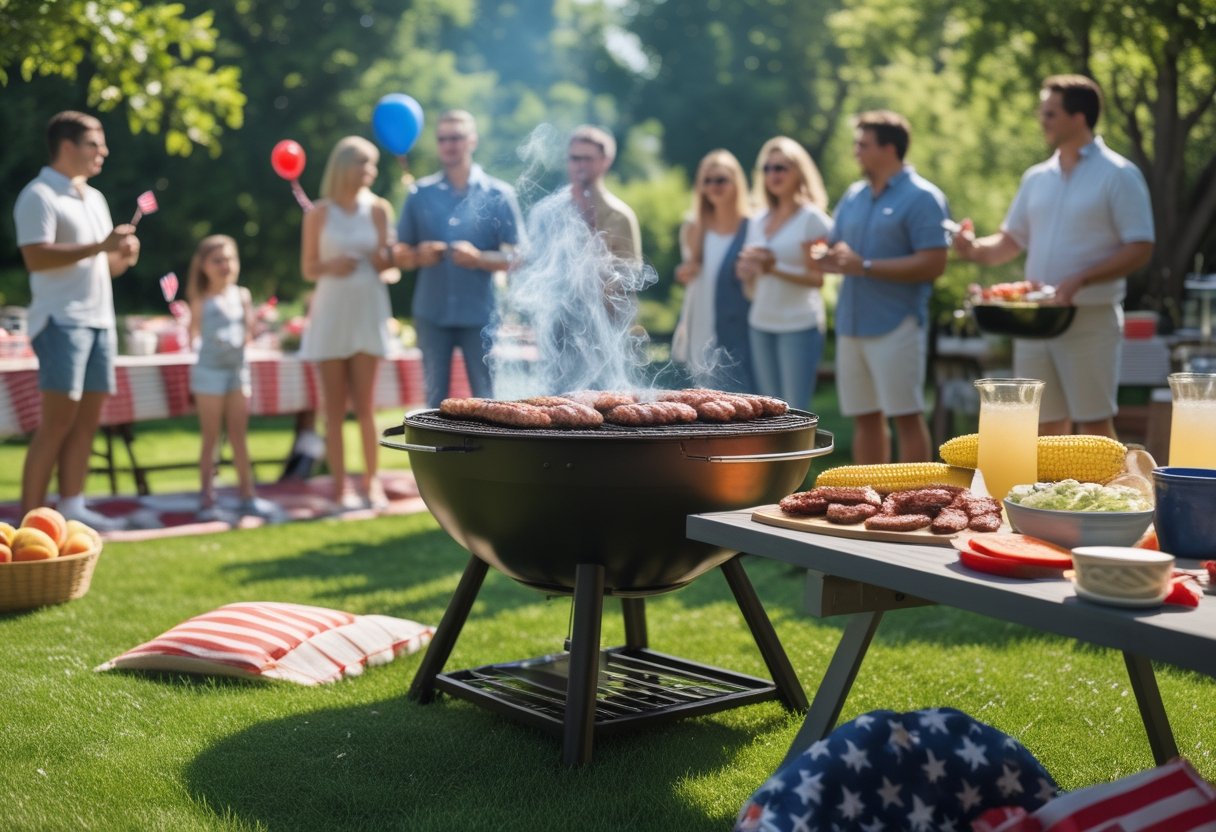
Barbecue did not just happen to land on the Fourth of July menu by accident. It was a natural match from the start, and the reasons go deeper than convenience.
Barbecue has been a pivotal July 4th tradition since the very beginning of the republic. Early Independence Day gatherings were large public events, and roasting whole animals over open flames was one of the only practical ways to feed hundreds of people at once. Community barbecues in the 18th and 19th centuries were essentially the catering service of the era.
The technique itself had deep roots in Indigenous cooking methods, later adopted and adapted by European settlers and African enslaved pitmasters who refined the craft. By the time the holiday was gaining national momentum, barbecue already carried a sense of American identity.
Baked beans appeared alongside the meat at those early public feasts, drawing on both Indigenous cooking traditions and colonial New England kitchen habits. They were easy to prepare in large quantities and held up well outdoors in warm weather.
Grilled corn on the cob became a natural addition as summer corn harvests aligned with the early July holiday. Fresh corn, cooked directly over open coals, required almost no preparation and tasted exceptional. It is still one of the best arguments for eating seasonally.
As the backyard barbecue culture grew through the 1950s and 1960s, suburban homeowners with new gas and charcoal grills turned the Fourth of July into a private celebration. Grilled corn, smoky baked beans, and charred meat moved from the town square to the backyard patio.
The holiday and the cookout became inseparable because both were built around the same idea: gather outside, feed people well, and enjoy the summer.
How Hot Dogs And Picnic Sides Became Classics
If there is one food most Americans automatically picture at a Fourth of July cookout, it is the hot dog. That association took about a century to build, and it involved immigration, industrialization, and a famous beach in Brooklyn.
Hot dogs are a product of German immigrant food culture. German butchers brought their sausage-making traditions to American cities in the 19th century, and the frankfurter eventually became a street food staple. By the early 20th century, Coney Island vendors were selling hot dogs to summer crowds by the millions. The combination of affordability, ease, and outdoor eating made them a natural fit for holiday celebrations.
The National Hot Dog and Sausage Council estimates that Americans consume around 150 million hot dogs on the Fourth of July alone. That number reflects just how completely the hot dog conquered the holiday.
The picnic sides that surround the hot dogs have their own histories:
- Potato salad arrived with German and Eastern European immigrants who brought cold potato dishes to American potluck culture in the late 1800s.
- Coleslaw traces back to Dutch settlers, with the name coming from the Dutch word koolsla, meaning cabbage salad.
- Macaroni salad spread widely after Italian immigration brought pasta into American kitchens, and it found a home at cookouts thanks to its easy preparation and crowd-friendly flavor.
- Hard-boiled eggs have appeared on picnic spreads since the 19th century, often sliced into salads or deviled for easy eating outdoors.
These dishes became classics not because of any single tradition, but because immigrant communities kept contributing their best portable, shareable foods to American outdoor eating culture. Your cookout table is, in a real sense, a history of American immigration.
The Founders, Their Tables, And The Myths We Keep
There is a version of Independence Day history that gets told at cookouts and in school textbooks, and then there is the fuller picture. The gap between the two is worth knowing.
One of the most persistent myths is that the founding fathers sat down to a grand patriotic feast on July 4, 1776. In reality, the founders were working politicians in the middle of a war. The Declaration of Independence was adopted after weeks of heated debate, and the celebration that followed was modest compared to what later generations imagined.
What you rarely hear about is James Hemings. Hemings was an enslaved man owned by Thomas Jefferson, and Jefferson brought him to France specifically to train as a French chef. Hemings became one of the most skilled cooks in early America, responsible for the refined French-influenced dishes served at Monticello and in Jefferson's political circles. He has no national monument. His name rarely comes up at cookouts.
The foods most people associate with the founding fathers, including elaborate tavern meals, elegant sauces, and imported wines, were largely prepared by enslaved cooks whose expertise shaped the early American table without recognition.
Independence Day celebrations built a mythology around the founders that simplified the real history. The cookout tradition grew out of a genuinely communal, democratic impulse to celebrate together. Acknowledging the people who did the actual cooking does not diminish that tradition. It makes it more honest.
From Apple Pie To Vanilla Ice Cream: The Sweet Side Of The Celebration
No Fourth of July cookout feels complete without something sweet at the end, and the dessert traditions tied to this holiday go back further than most people realize.
Apple pie is the most iconic American dessert, but its story is complicated. Apples themselves are not native to North America. European settlers brought apple trees to the colonies in the 1600s, and the apple pie recipe as Americans know it developed from English and Dutch baking traditions. What made apple pie feel distinctly American was not its origins but what it represented: abundance, home, and seasonal eating.
Apple pandowdy, which appeared on colonial tables as far back as the 1776 era, is essentially apple pie's simpler ancestor. It uses the same core ingredients but with a broken, pressed-down crust rather than a formed pastry shell.
Vanilla ice cream at an Independence Day cookout has a direct connection to Thomas Jefferson. Jefferson wrote what is considered one of the earliest American ice cream recipes, a French-inspired vanilla custard calling for cream, egg yolks, and sugar. He encountered it in France and brought the recipe back to Monticello.
Serving apple pie with a scoop of vanilla ice cream is one of those combinations that became a cultural reflex, the kind of dessert that shows up at nearly every cookout without anyone questioning it.
The sweet side of your Fourth of July table turns out to carry real historical weight. From colonial fruit desserts to Jefferson's ice cream obsession, the desserts you serve this summer connect your cookout to more than 200 years of American food tradition.
DISCLAIMER
This document is provided for general information purposes only and should not be relied upon as providing legal advice, technical, or specific operational guidance to the reader, whether as to the practices described in the document or the applicable legal requirements and regulations. outdoorgrillguide.com expressly disclaims any responsibility for liability arising from or related to the use or misuse of any information in this document.


